Market News
Stay updated with the latest market trends, earnings, and economic indicators.
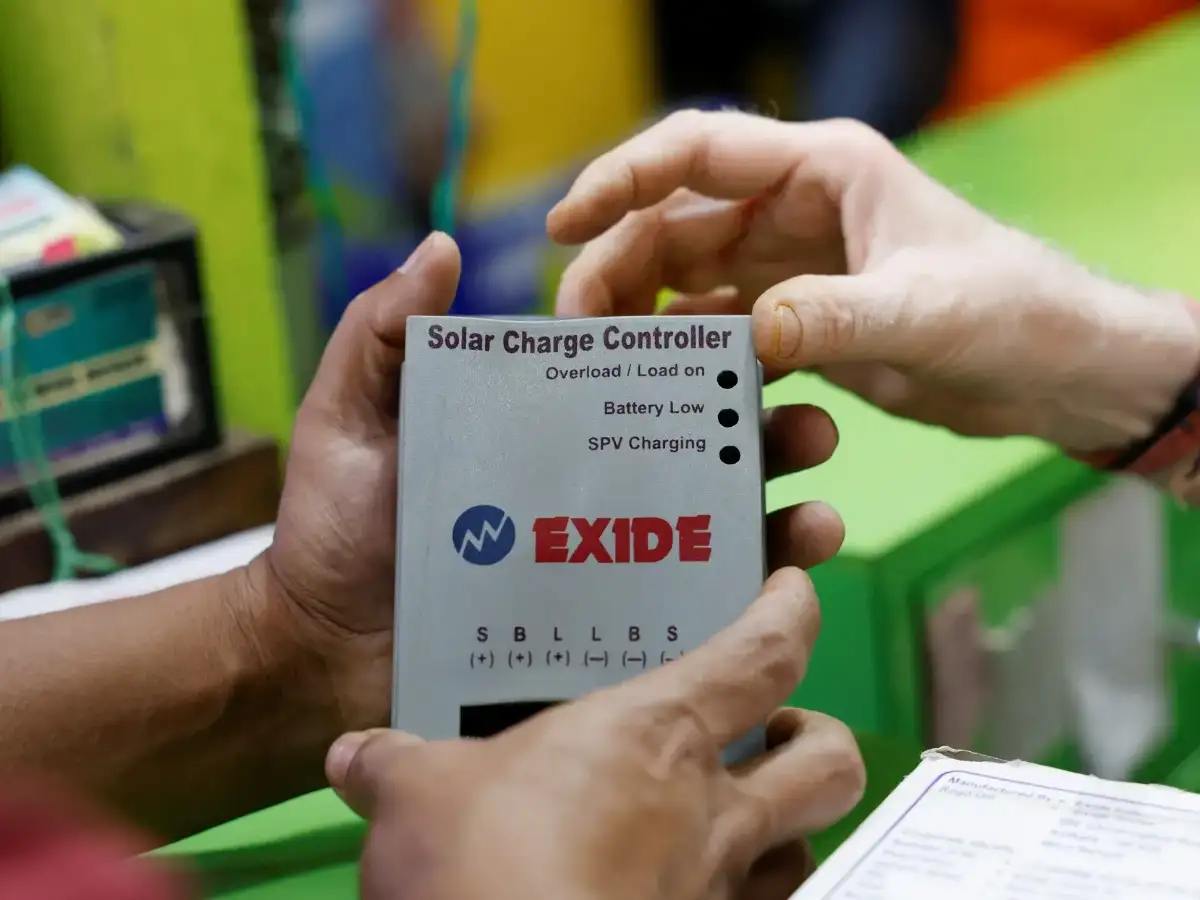
Exide's Bengaluru lithium-ion cell plant to generate revenue from Q3: CEO
Exide Industries expects its Bengaluru lithium-ion cell plant to generate revenue from the third quarter. The company has invested significantly and will invest more to complete the first phase of this project. Initially, the plant will supply domestically manufactured battery cells for electric vehicles and energy storage. Commercial supplies for stationary lithium battery applications are also targeted from the third quarter.
Data Centres, AI & EVs to drive peak power demand to 300 GW in '27: Electricity Minister
India's peak power demand is projected to reach 300 GW next year. This surge is driven by expanding data centers, artificial intelligence, and electric vehicles. Energy storage has become a national imperative due to rising demand and renewable energy additions. India targets around 160 GW of storage by 2035, with clear roadmaps. The country requires 888 GWh of energy storage system capacity by 2035-36.

Himadri-backed Sicona secures AUD 45 million ARENA funding for battery technology
Sicona Battery Technologies secured significant funding for its advanced battery materials. This investment will build a commercial-scale demonstration facility in New South Wales. The new plant will produce silicon-carbon anode material for electric vehicles. This technology promises increased battery energy density and faster charging speeds. Himadri Speciality Chemical's stake in Sicona strengthens its clean energy strategy.
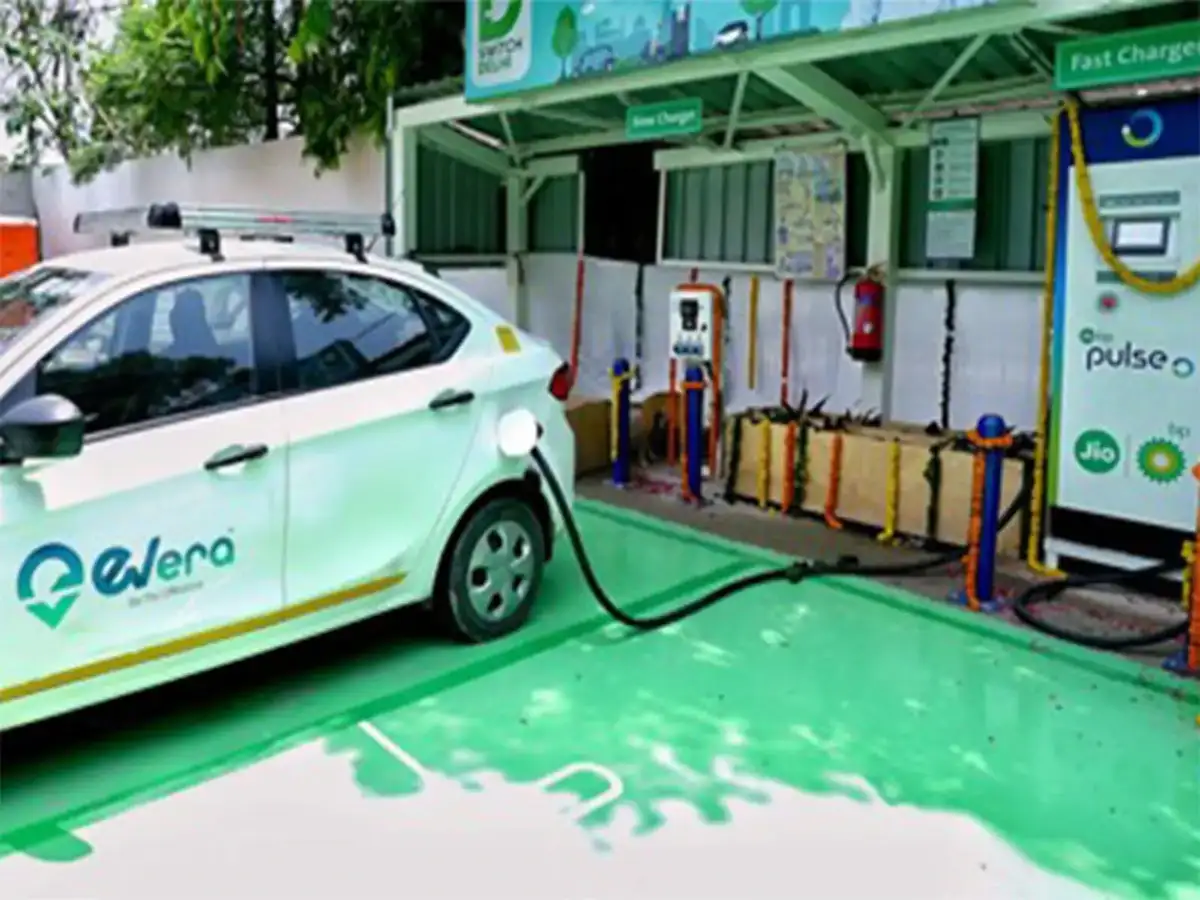
Delhi EV policy's real challenge for automakers could come if other states follow: Morgan Stanley
Delhi's ambitious EV Policy 2026 aims to accelerate clean mobility by phasing out internal combustion engine vehicles in select segments, with incentives for electric adoption. While immediate impact on automakers is modest, the risk lies in similar policies spreading nationwide. The report highlights challenges for the motorcycle segment and emphasizes localized battery manufacturing for energy security.
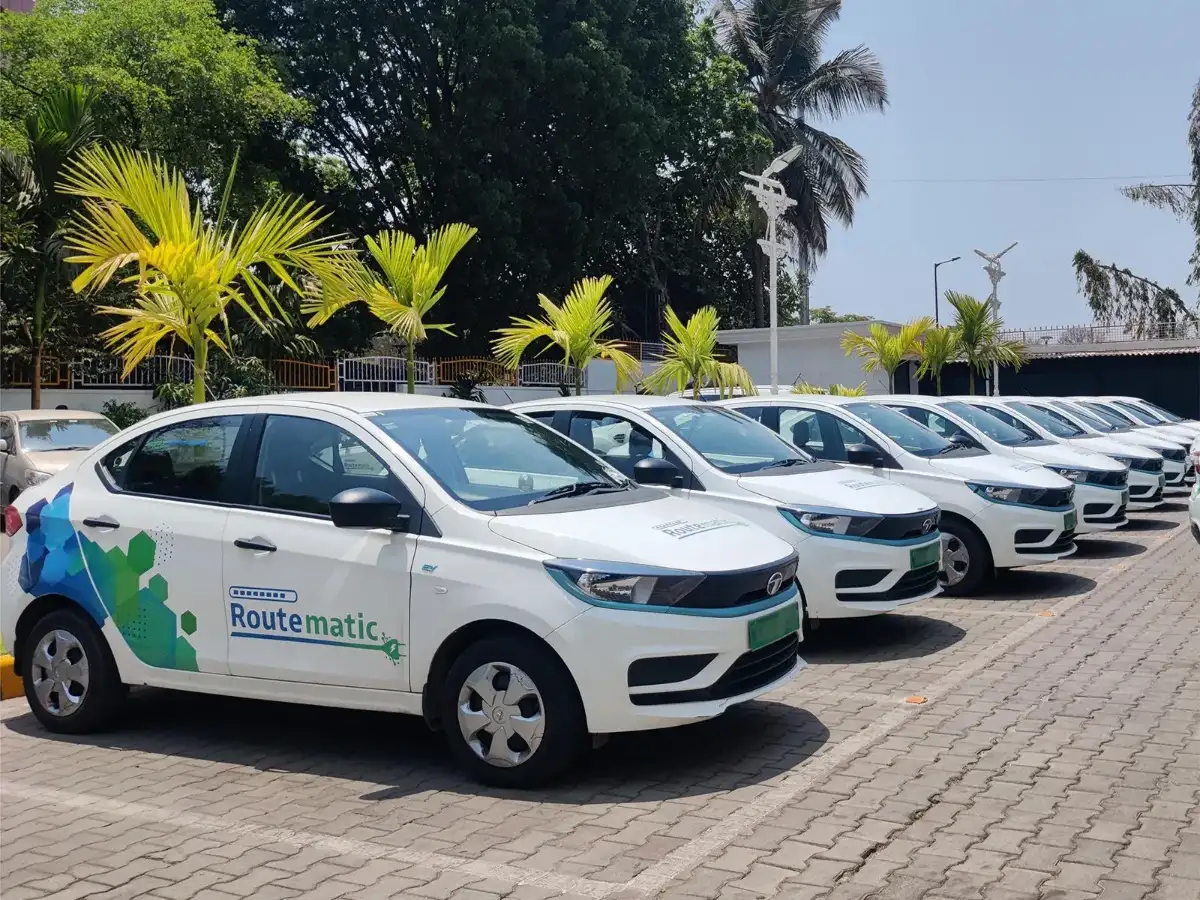
Delhi EV Policy 2026 paves way for hydrogen-powered vehicles
Delhi's new Electric Vehicle Policy 2026 paves the way for hydrogen fuel-based vehicles within four years, aiming to curb vehicular emissions, a major contributor to air pollution. The city plans to introduce two hydrogen-powered buses soon, with the Delhi Transport Corporation collaborating with NTPC for this initiative. This move signifies a significant stride towards cleaner, sustainable public transportation and a future-ready mobility ecosystem for the national capital.
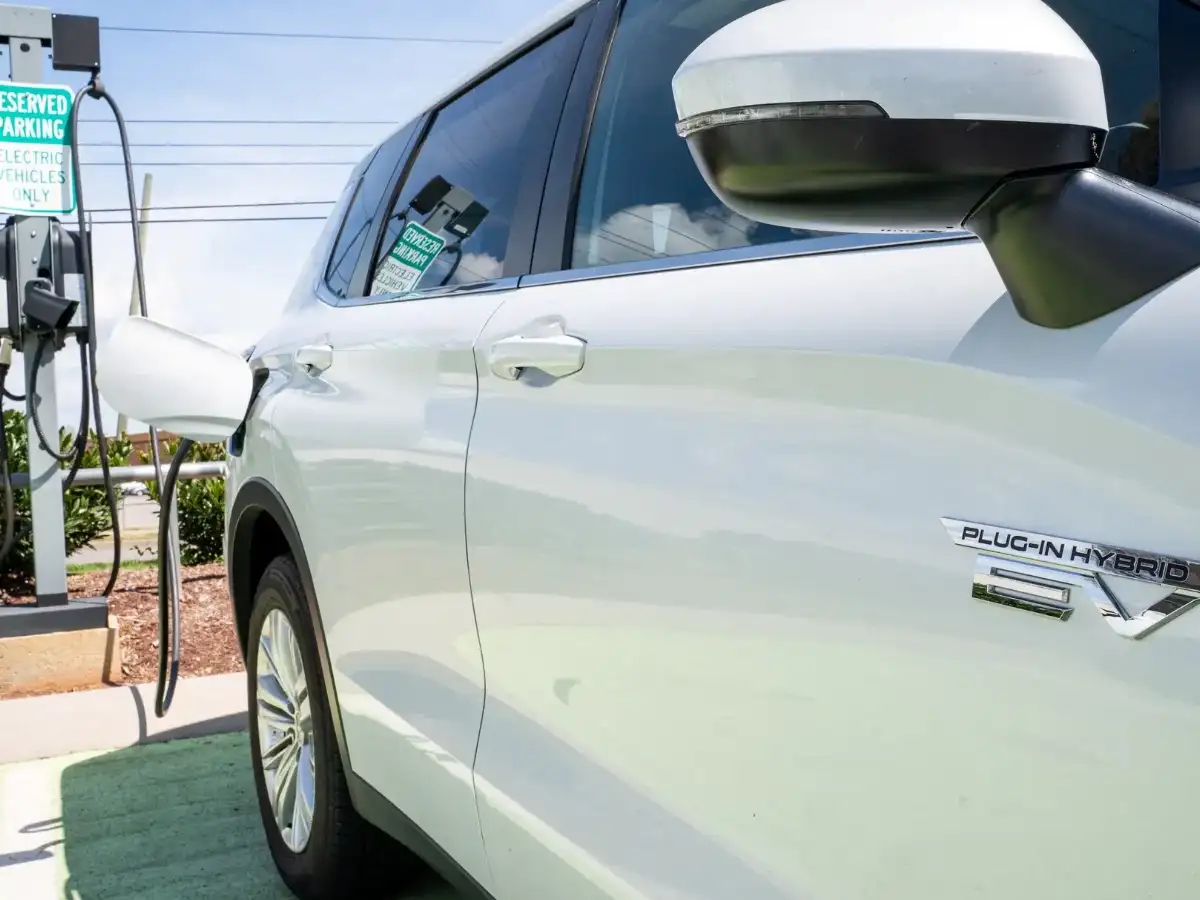
Delhi EV policy gets Cabinet nod, govt to invest Rs 15,000 crore to boost green mobility
Delhi's Cabinet has greenlit an electric vehicle policy, set to launch by July 1, with a substantial Rs 15,000 crore investment planned over four years. The policy may offer a 50% road tax waiver on hybrid vehicles up to Rs 30 lakh, aiming to accelerate electric mobility adoption despite some internal debate. This move signals a significant push towards greener transportation in the capital.

Nikhil Kamath sees energy transition powering next wave of opportunities
Nikhil Kamath, Zerodha co-founder, sees significant investment potential in the energy transition, citing the U.S.-Iran conflict's emphasis on energy security. He's eyeing electric vehicles, battery manufacturing, and grid infrastructure. Kamath also believes Indian IT companies are undervalued, presenting an attractive opportunity. Despite recent market headwinds, he suggests foreign investors often misjudge India's market timing, potentially missing out on current attractive valuations.

Oil prices could fall below $60 by 2027 as supply outpaces demand, says energy expert
Christof Ruehl, Global Advisor at Crystol Energy, expects oil supply to exceed demand by more than 1 million barrels per day in 2027, potentially pushing prices below $60 per barrel. Ruehl also said energy markets have become more resilient, while efficiency gains and the rise of electric vehicles could bring the world closer to peak oil demand.
From buses to trucks, Tata Motors lands 3,400 EV orders across segments
Tata Motors has secured a significant boost with over 3,400 electric commercial vehicle orders, marking a major leap in India's zero-emission transport. These orders, covering small commercial vehicles, trucks, and buses, highlight growing business and public transport confidence in electric mobility for diverse applications like e-commerce, logistics, and heavy industries. This surge signals a strong shift towards sustainable transportation solutions across the nation.
Tata Motors secures over 3,400 electric commercial vehicle orders
Tata Motors has secured over 3,400 orders for electric commercial vehicles, signaling a significant shift in India's fleet operator adoption. These orders span across small commercial vehicles, trucks, and buses, destined for diverse sectors like e-commerce and logistics. This surge indicates a move beyond pilot projects towards large-scale integration of electric vehicles into daily commercial operations, with Tata Motors expanding its comprehensive EV solutions.

Reliance New Energy prepares battery-swapping rollout for EV two-wheelers in logistics, delivery segment
Reliance New Energy is set to launch battery-swapping services for electric two-wheelers. This move targets the delivery and logistics sector. The company has secured necessary certifications for batteries and vehicles. Initial trials will occur within Reliance's own fleet. A wider commercial rollout is anticipated by FY27. This initiative supports Reliance's clean energy and electric mobility goals.
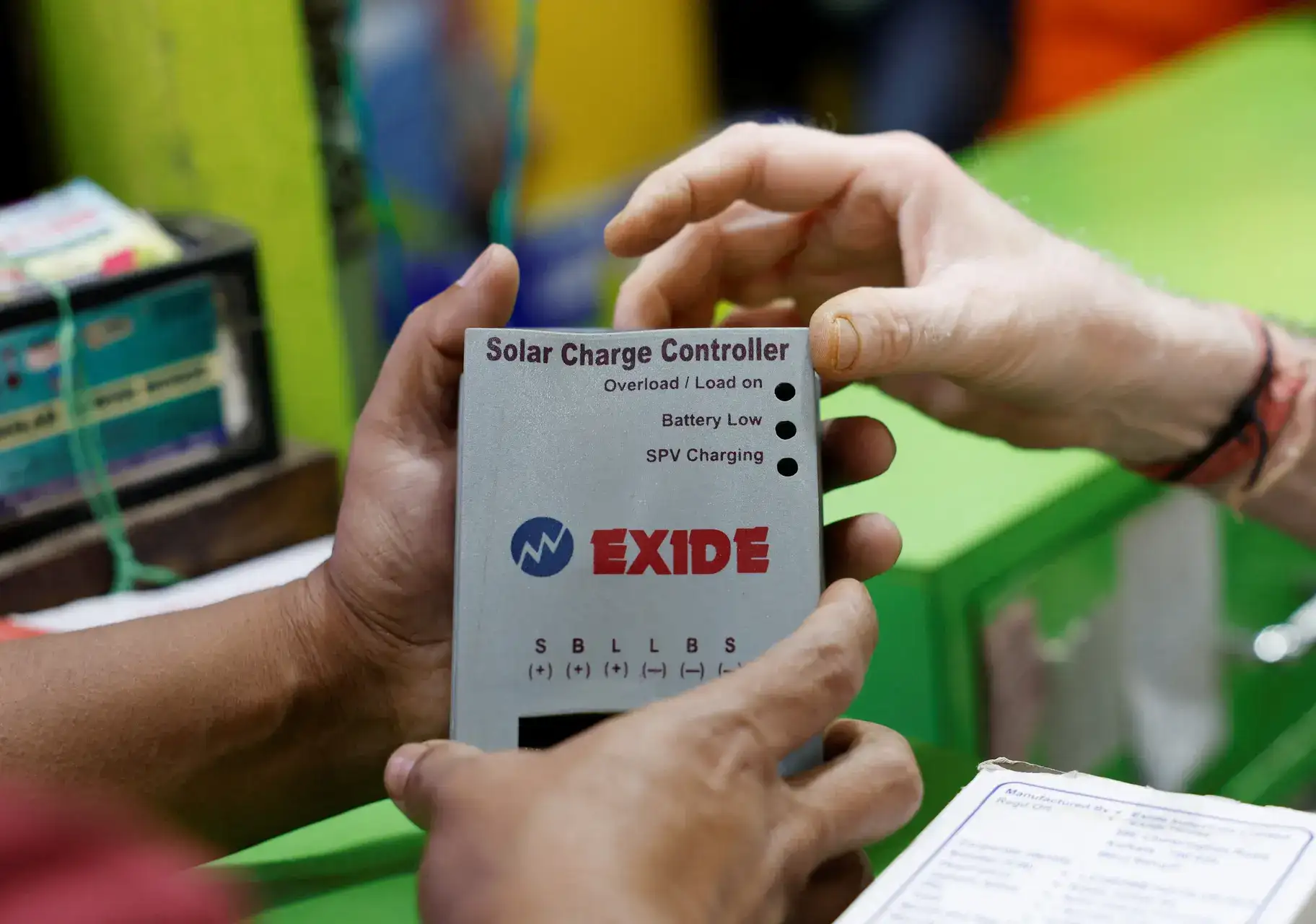
Exide to balance lead-acid strength with lithium-ion push
Exide Industries is strategically expanding into lithium-ion cell manufacturing to support India's energy transition. The company will continue its strong lead-acid battery business. Exide Energy Solutions Ltd is engaging with manufacturers for electric vehicles and energy storage. India's lithium-ion battery demand is projected to grow significantly by 2030, driven by electric mobility.