Market News
Stay updated with the latest market trends, earnings, and economic indicators.
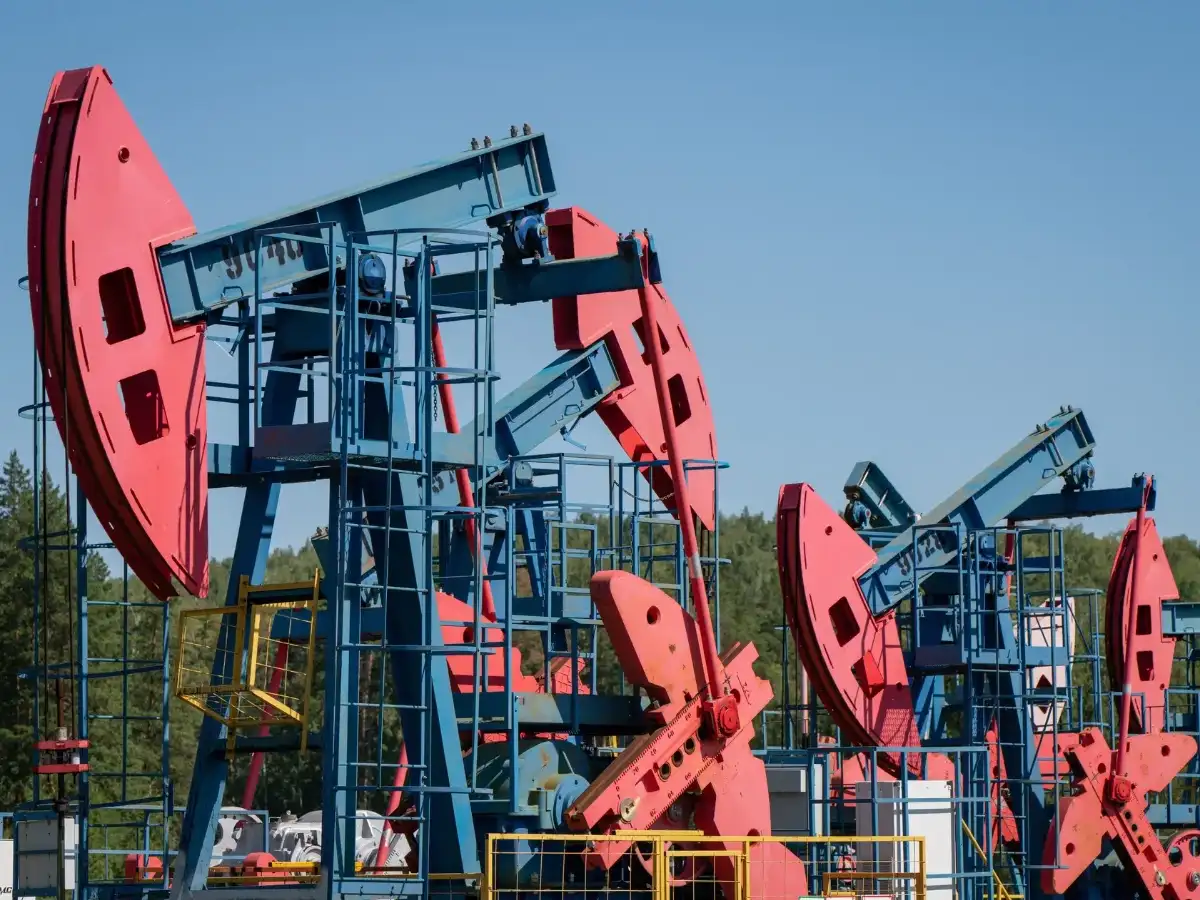
In reverse flow, India now supplies petrol to energy powerhouse Russia
India's petrol is navigating its way to Russia via international traders rather than through direct sales channels. The damage to Russia's refining infrastructure has severely impacted its fuel production. This indirect trade underscores the ongoing shifts within the global energy market and the consequences of sanctions.

Russia's diesel export ban deepens global supply crunch
Russia's diesel export ban has significantly impacted global energy markets. This action exacerbated existing fuel shortages and drove prices higher worldwide. European gasoil futures reached record highs against Brent crude oil. The United States also saw diesel futures jump substantially on Wednesday. These events highlight the interconnectedness of global oil supply chains.

IEA's Russian oil output forecasts cut after Ukraine attacks
IEA downgrades Russian oil production outlook due to Ukrainian attacks on energy infrastructure, impacting global supply.
Power giant NTPC seeks uranium assets overseas in nuclear push
India's largest power producer seeks overseas uranium mines for future nuclear capacity. NTPC plans to build thirty gigawatts of nuclear power over two decades. This move supports India's broader push to decarbonize its economy. The company is looking at assets in Canada, Australia, and Kazakhstan. This strategy addresses domestic fuel limitations and growing energy needs.

Fresh US-Iran clash clouds IEA oil outlook despite June supply lift from Hormuz reopening
Global oil supply rebounded in June after a ceasefire allowed Strait of Hormuz transit. However, renewed hostilities between the United States and Iran threaten future oil surplus forecasts. The International Energy Agency sees potential disruption to its 2027 surplus projection. Refined product markets remain tight due to refinery issues and Ukrainian attacks. Global oil demand is recovering, but overall supply forecasts depend on lasting peace.
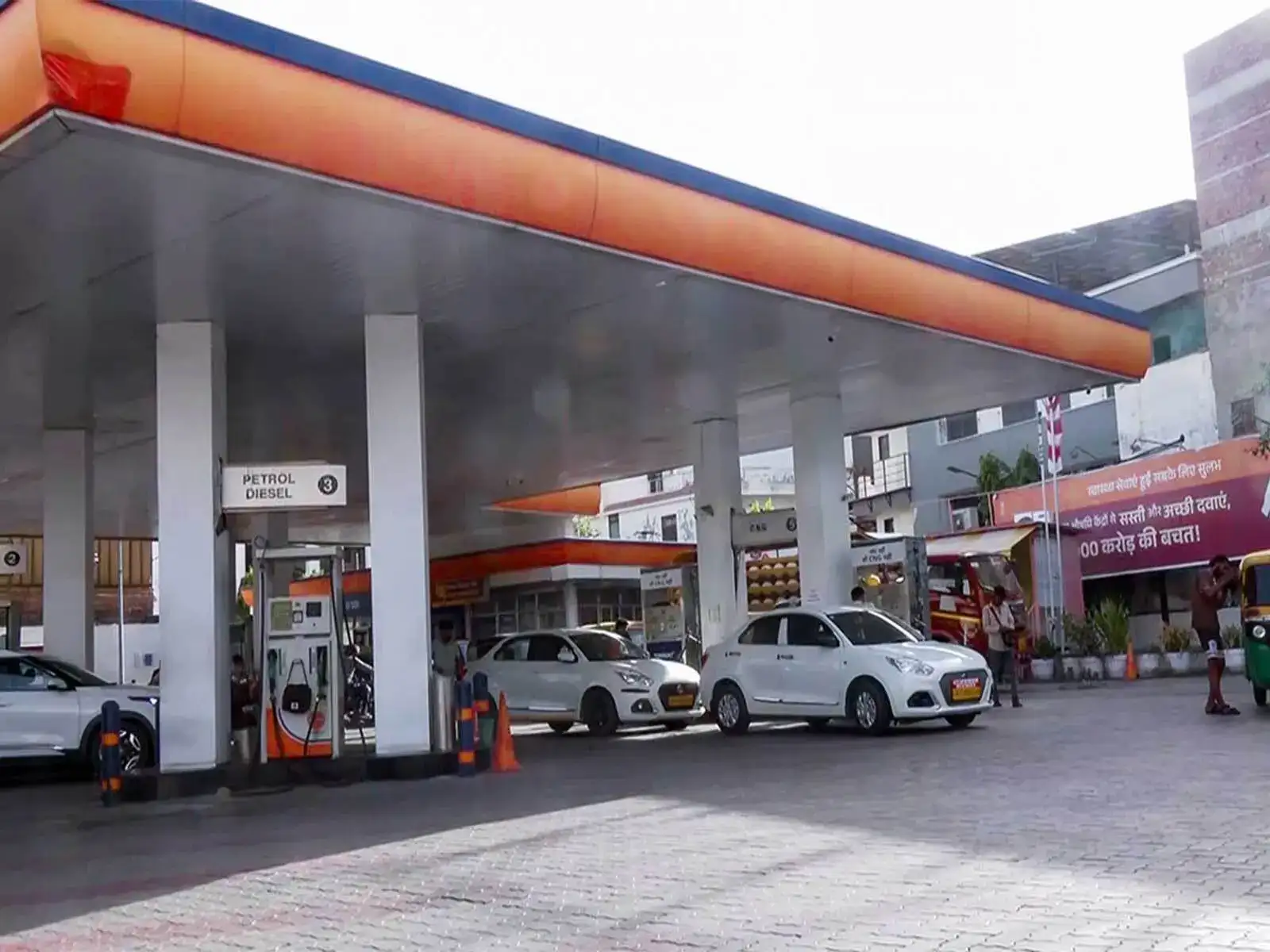
E20 costs more at current crude prices, but saves forex, boosts farmers' income, reduce oil dependence: Govt
Ethanol blending shields Indian consumers from volatile global oil prices. This program reduces dependence on imported crude oil significantly. It also strengthens the country's long-term energy security and foreign exchange reserves. The initiative has already saved over one lakh ninety-seven thousand crore rupees. Continued blending promises greater fuel price stability and farmer income.
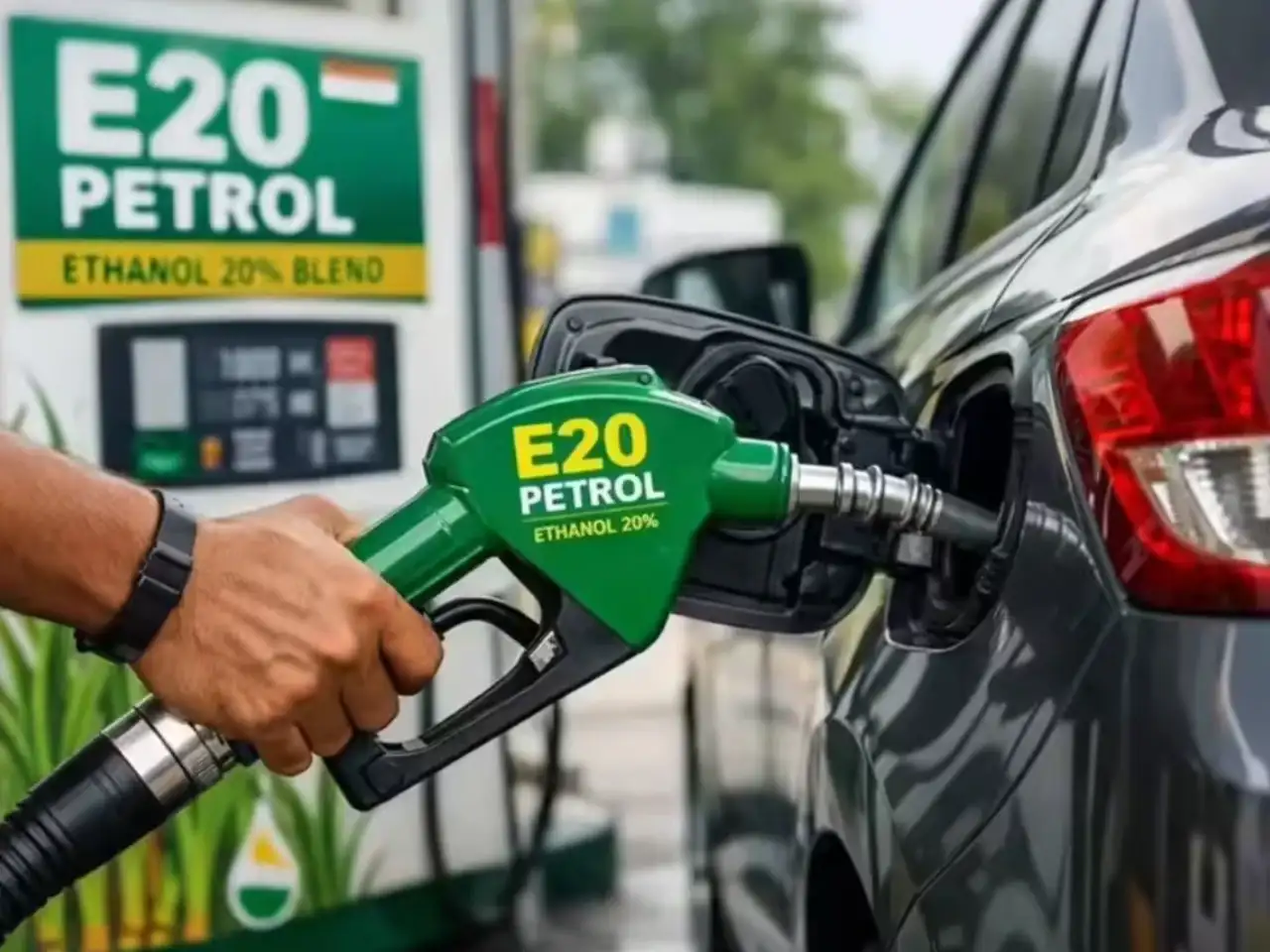
Which countries use E20 or higher ethanol blends? A global guide
Countries using E20 fuel: India has achieved its nationwide E20 ethanol blending target ahead of schedule. This transition significantly reduces import dependence and strengthens national energy security. Domestic ethanol production capacity has expanded substantially to meet fuel demand. While new vehicles are E20 compatible, older ones remain on the road. India now joins global leaders like Brazil in adopting renewable fuel standards.
ADB trims India's growth projection to 6.6% reflecting elevated energy prices
Asian Development Bank on Thursday lowered India's GDP growth projection to 6.6 per cent as against 6.9 per cent estimated earlier for the current fiscal on concerns of higher energy prices fuelled by the Middle East crisis. Despite the growth moderation, India still continues to be the fastest-growing major economy in the world, ADB said. India's GDP growth forecasts are revised down to 6.6 per cent for FY2026 (ending 31 March 2027) and maintained at 7.3 per cent for FY2027, Asian Development Outlook (ADO) July 2026 said. Growth will be supported by policy interventions to attract more foreign capital, as well as fuel tax cuts, targeted credit support, strong services exports, and public capital expenditure. The FY2027 growth forecast remains unchanged from April, underpinned by improved global conditions and export competitiveness gained through trade agreements with various partners. However, risks tilt to the downside driven by heightened geopolitical tensions, or weather-induced
ONGC to undertake 1.75 MMT strategic oil reserve expansion at Mangaluru
ONGC approved a 1.75 MMT strategic petroleum reserve expansion at Mangaluru. This project will add significant storage capacity to India's energy security network. India is strengthening its reserves after recent global supply chain disruptions. Additional SPR facilities are also being developed in Odisha and Karnataka. This increases India's total oil storage capacity to approximately seventy-four days.

NITI Aayog holds stakeholder consultation on critical mineral demand, supply chain security amid rising clean energy needs
NITI Aayog convened experts to assess India's future critical mineral needs. Discussions focused on demand, supply chain vulnerabilities, and domestic capabilities. India's clean energy and advanced manufacturing expansion will drive mineral demand. The nation faces import dependency, requiring supply source diversification and domestic value chains. These efforts aim to secure long-term economic and national security objectives.

Five Stocks To Buy: Ather Energy, Swiggy, Chennai Petroleum, And More | July 09, 2026
Market analysts and brokerage firms have identified high-conviction trading ideas for the upcoming session, focusing on food delivery and quick commerce, electric mobility, housing finance and oil refining sector.
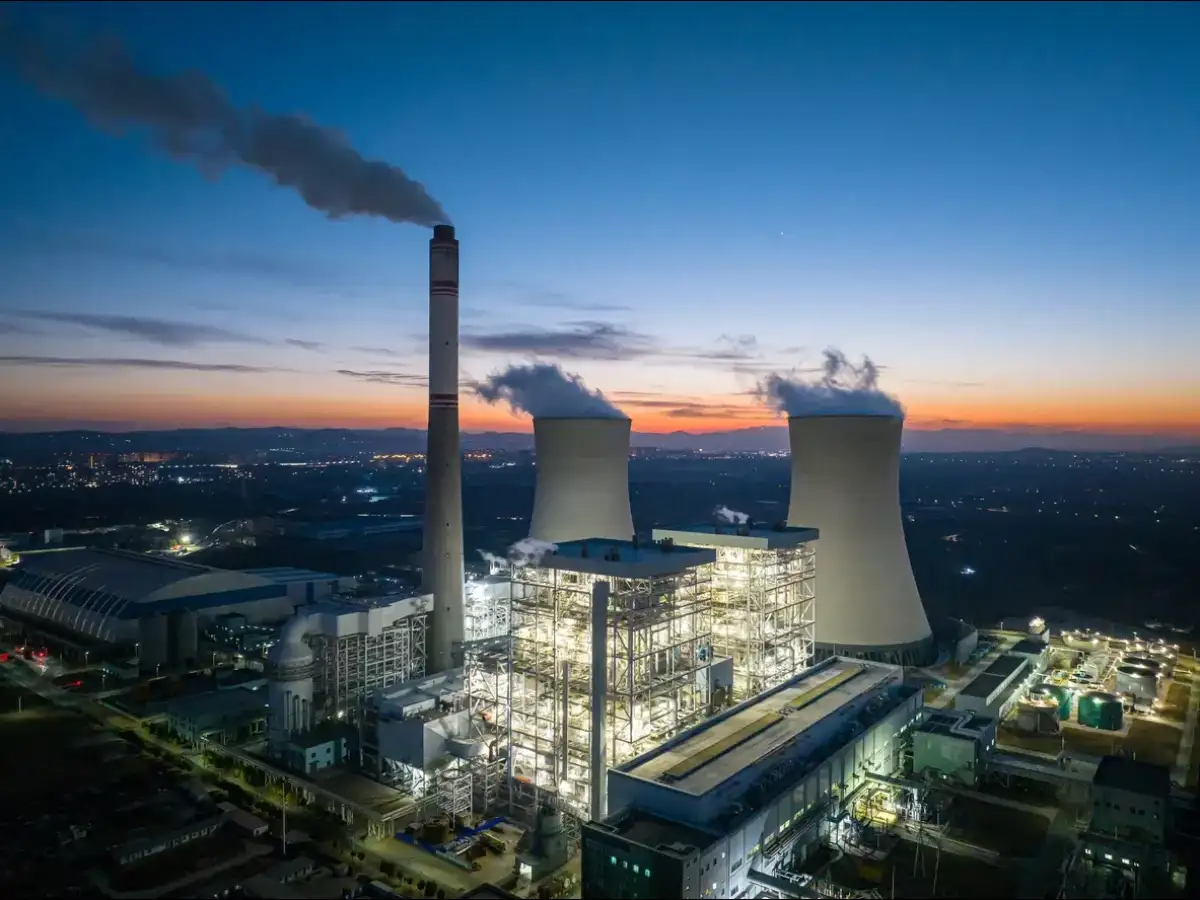
Nuclear power output to rise 44% in 10 years; India, China key drivers
Global nuclear power capacity is projected to increase by forty-four percent over the next decade. This growth is driven by rising electricity demand and significant reactor construction in China and India. China is on track to become the world's largest nuclear nation by the end of this decade. Efforts to combat climate change and increasing social acceptance are also boosting nuclear energy.