Market News
Stay updated with the latest market trends, earnings, and economic indicators.
ADB trims India's growth projection to 6.6% reflecting elevated energy prices
Asian Development Bank on Thursday lowered India's GDP growth projection to 6.6 per cent as against 6.9 per cent estimated earlier for the current fiscal on concerns of higher energy prices fuelled by the Middle East crisis. Despite the growth moderation, India still continues to be the fastest-growing major economy in the world, ADB said. India's GDP growth forecasts are revised down to 6.6 per cent for FY2026 (ending 31 March 2027) and maintained at 7.3 per cent for FY2027, Asian Development Outlook (ADO) July 2026 said. Growth will be supported by policy interventions to attract more foreign capital, as well as fuel tax cuts, targeted credit support, strong services exports, and public capital expenditure. The FY2027 growth forecast remains unchanged from April, underpinned by improved global conditions and export competitiveness gained through trade agreements with various partners. However, risks tilt to the downside driven by heightened geopolitical tensions, or weather-induced

Nayara Energy cuts petrol price by Rs 5, diesel by Rs 3 amid softening oil prices
Nayara Energy has slashed petrol prices by Rs 5 and diesel by Rs 3 per litre nationwide, marking the first reduction in over two years. This move follows easing West Asian tensions and stabilizing global oil prices. While Nayara reverses its March price hike, state-owned retailers like IOC, BPCL, and HPCL have kept their prices unchanged. This development signals potential relief for consumers as international markets stabilize.
Coal India earmarks ₹1,900 crore for R&D through FY30 amid technology push
Coal India will invest around ₹1,900 crore in research and development by FY30, scaling up prototype development, industry-academia partnerships and global technology collaborations to drive mining innovation and cleaner energy solutions.

Hormuz traffic eases; Iran revives crude supply pitch to India
Maritime traffic through the Strait of Hormuz is normalizing, with most India-bound energy shipments successfully navigating the chokepoint. Iran has signaled its readiness to resume crude oil exports, engaging in discussions with India following the lifting of sanctions. This development could significantly ease energy supplies to India, as Tehran seeks to broaden its customer base beyond China.
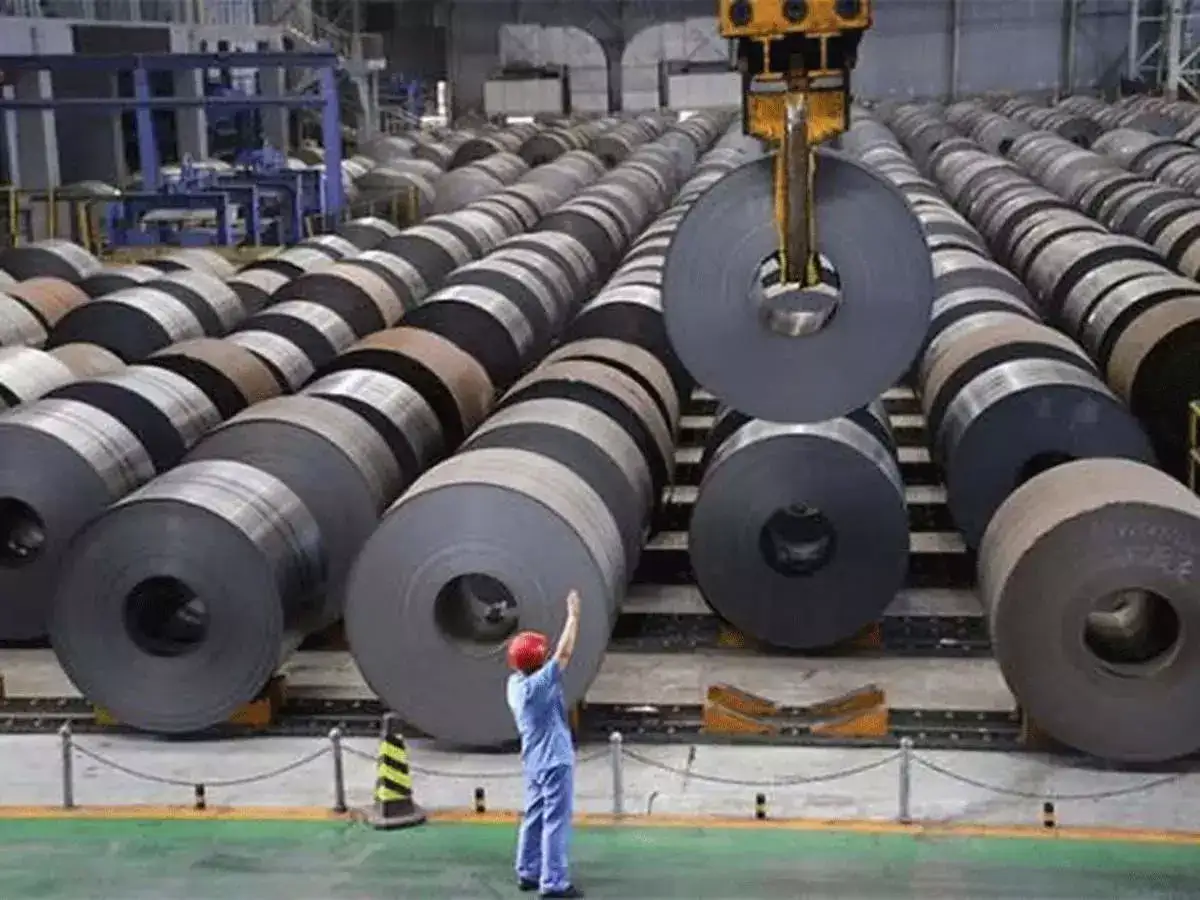
Anti-dumping duty on electrical steel may push transformer costs, impact grid expansion: GTRI
A potential anti-dumping duty on crucial cold-rolled grain-oriented electrical steel (CRGO) imports could significantly hike transformer manufacturing costs and impede India's ambitious power grid expansion plans. With domestic production meeting less than 10% of demand, imposing duties might raise prices without reducing import reliance, impacting vital infrastructure development and renewable energy integration. The probe follows a complaint by JSW JFE Electrical Steel Nashik Pvt Ltd.
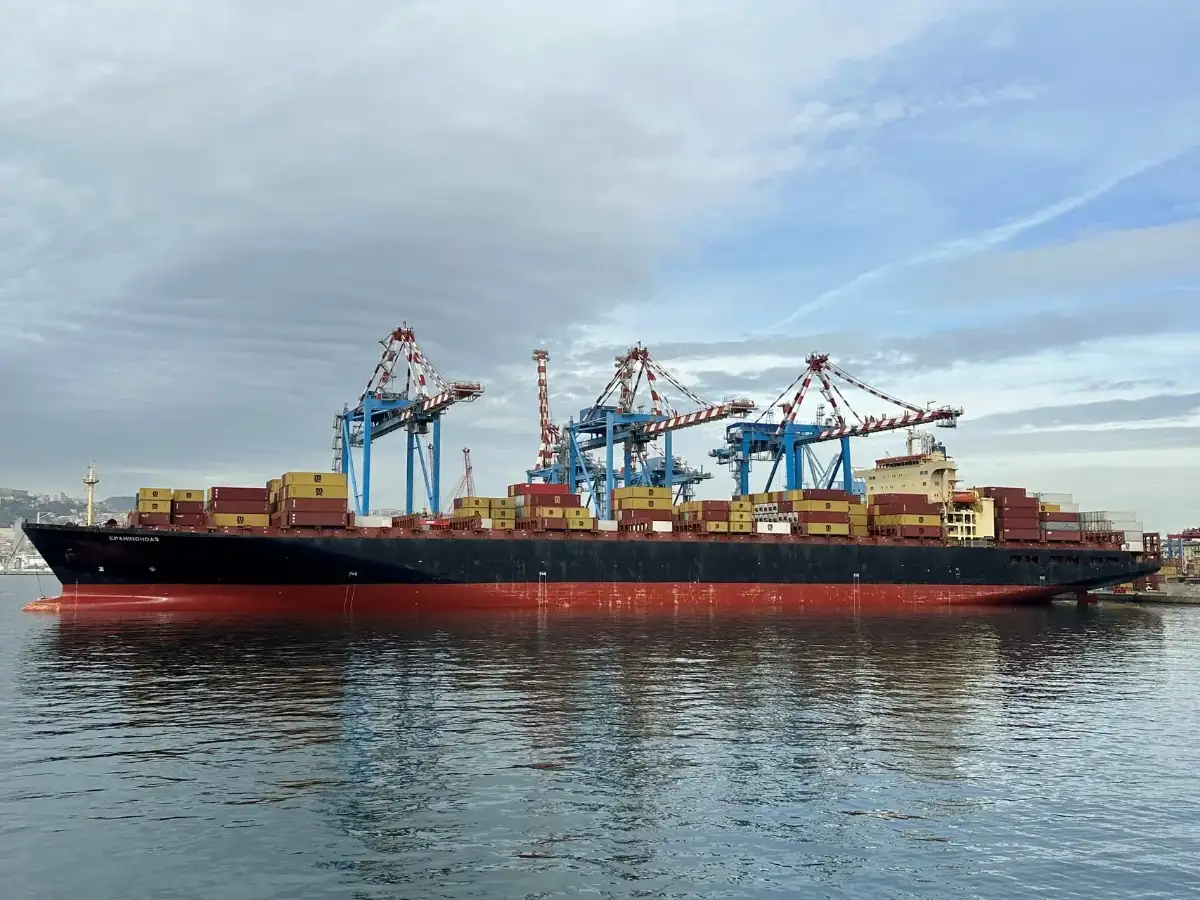
30 India-bound ships cross Strait of Hormuz since Iran war began, 26 more await transit
Thirty ships bound for India have successfully navigated the Strait of Hormuz, a crucial route disrupted by recent geopolitical tensions. An additional 26 vessels are awaiting passage. Among those that transited, a significant portion carried vital energy supplies like LPG and LNG, alongside bulk cargo and crude oil. This development follows a recent agreement, easing concerns over energy imports for India.
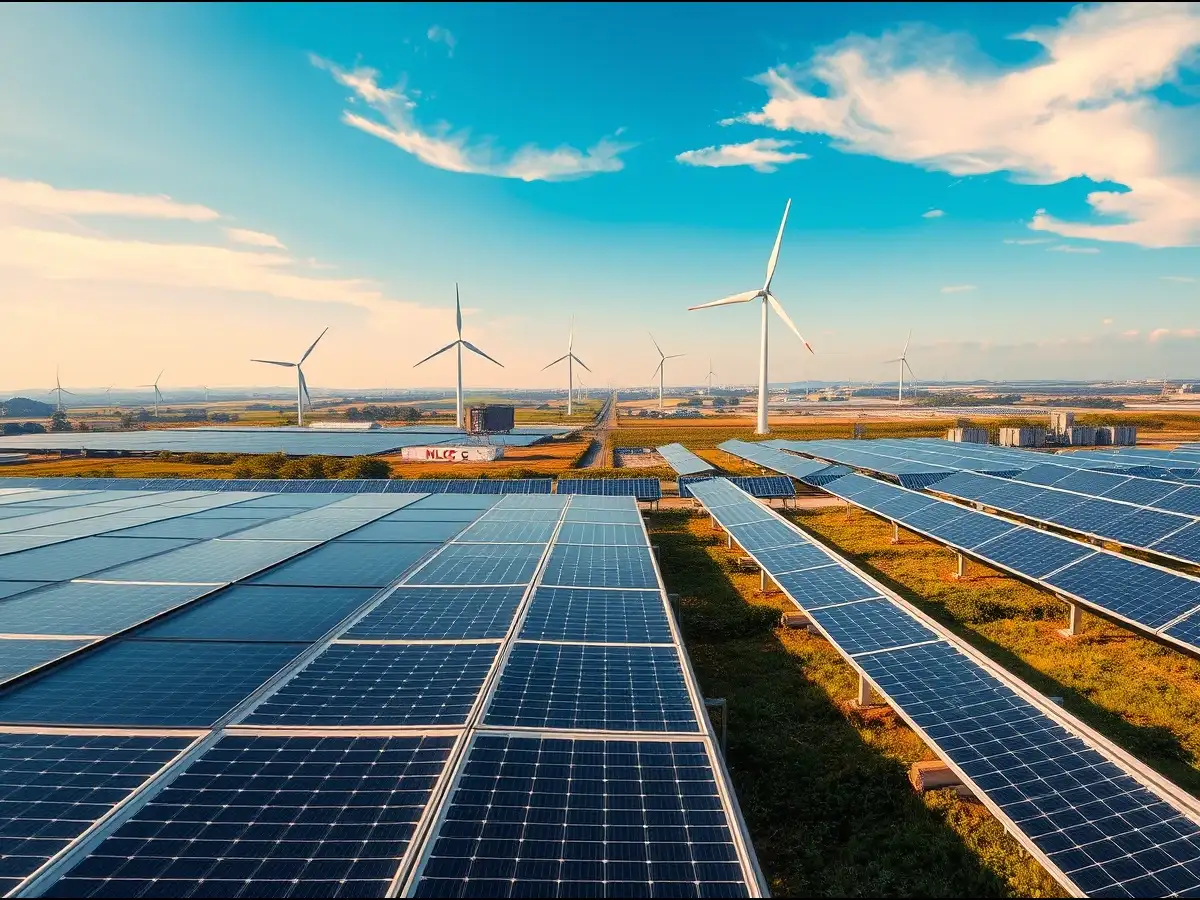
NLC India, Indian Oil Corporation partner up for large-scale green energy projects
State-run NLC India Limited (NLCIL) has partnered with Indian Oil Corporation Limited (IOC) to form a joint venture focused on developing large-scale green energy projects in Tamil Nadu. This collaboration, formalized by a Memorandum of Understanding, aims to advance renewable energy initiatives including solar, wind, and storage solutions. The partnership signifies a strategic move for NLCIL's diversification into clean energy and contributes to India's sustainable development goals.

Ashok Leyland, Tata Motors and other CV stocks soar up to 9%. What’s triggering the surge?
US and Iran have reached an initial peace agreement to end their nearly four-month conflict, restore shipping through the Strait of Hormuz, and ease global energy disruptions. The deal, to be signed in Switzerland on June 19, also covers broader regional issues including Lebanon. This development has boosted market sentiment as oil supply concerns begin to ease.
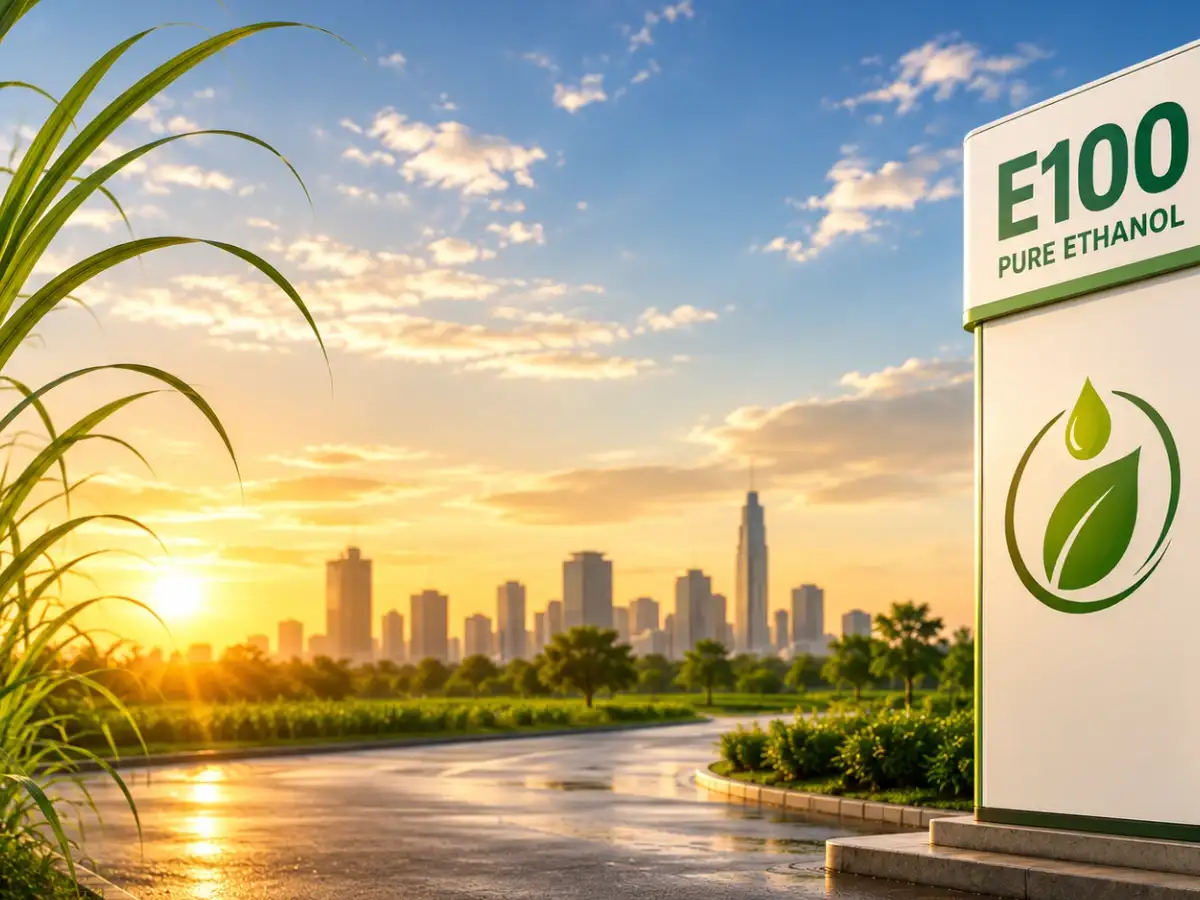
Fueling Demand: Inside India’s ethanol mobility revolution in reverse
India is launching an ambitious green mobility initiative. The country is establishing E100 fuel stations nationwide before flex-fuel vehicles become common. This strategy aims to reduce oil imports and boost the rural economy. Major automakers are now introducing flex-fuel cars and motorcycles. This rapid development marks a significant shift in India's energy landscape.
Reliance operationalises clean energy giga complex; elevates national exchequer contribution to Rs 2,16,472 crore in FY26
Reliance Industries has launched its clean energy operations. The company commissioned solar module manufacturing and began advanced work on a battery storage giga-factory. Reliance also significantly increased its contributions to the national exchequer. Jio Platforms accelerated its research and development, filing numerous new patents. The company is focused on enabling India's energy and digital future.

Green hydrogen to cut LPG dependence for cooking: PSA Ajay Sood
India is exploring green hydrogen as a cooking fuel to cut reliance on imported LPG. This initiative aims for energy stability and savings. The technology is in research and development, with startups showcasing its potential. Green hydrogen cooking produces a zero-emission flame. This could significantly boost India's energy security and self-reliance goals.
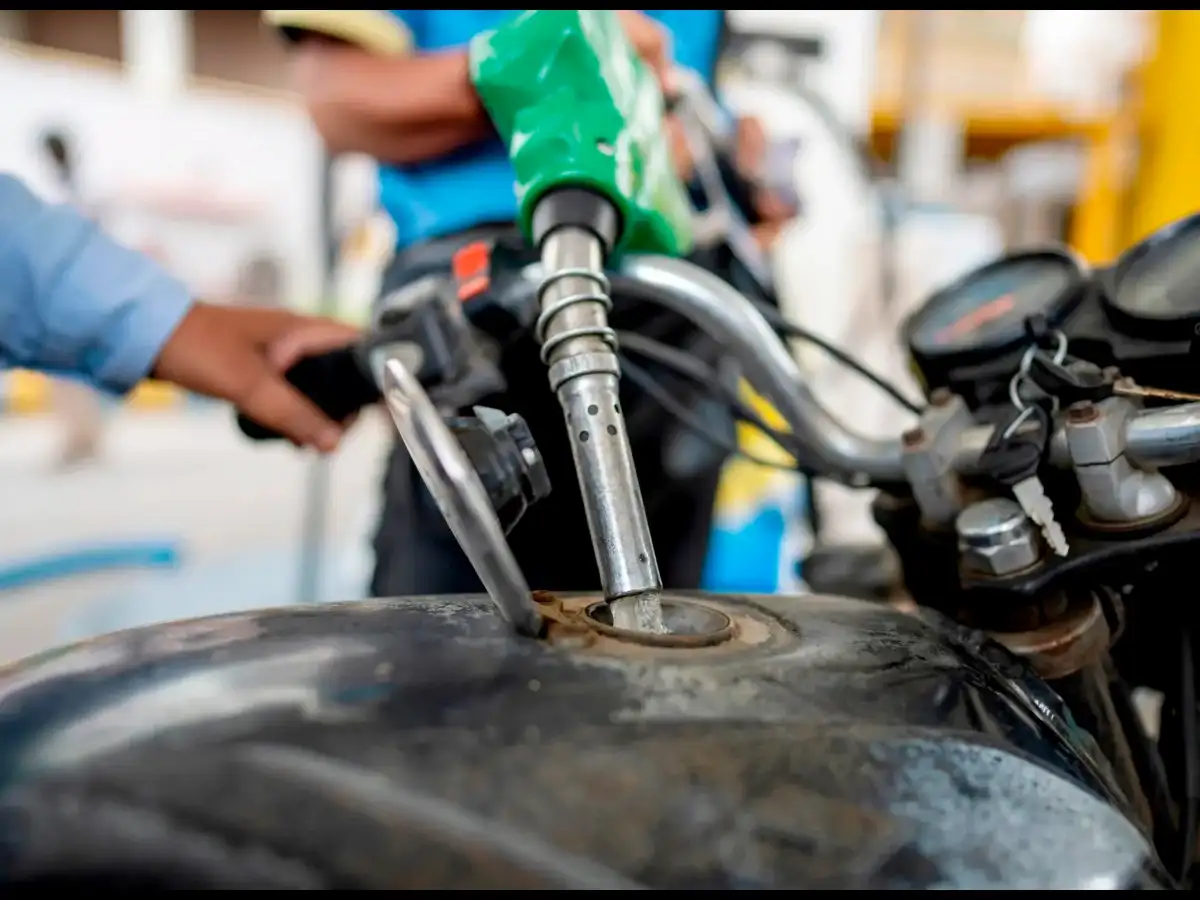
Iran war energy shock drives India's interest in ethanol and other biofuels
India and Southeast Asian nations are boosting biofuel use amid global fuel disruptions. This move aims to reduce reliance on imported oil and manage rising costs. However, challenges remain in developing supply chains and ensuring vehicle compatibility. Experts also highlight environmental concerns related to crop-based biofuel production. The shift towards biofuels is a significant development for energy security.