Market News
Stay updated with the latest market trends, earnings, and economic indicators.
Indices slide sharply amid Iran war jitters and crude price spike
The domestic equity benchmarks ended sharply lower on Wednesday as investors turned risk-averse amid escalating geopolitical tensions and a sharp surge in crude oil prices. The ongoing conflict involving the United States, Israel and Iran unsettled global markets, while the reported closure of the Strait of Hormuz pushed oil prices higher, raising concerns over inflation and energy costs. Sentiment was further dented by heavy selling from foreign institutional investors and the rupee slipping to a record low. Against this backdrop, the Nifty closed below the 24,500 mark. Barring the Nifty IT index, all other sectoral indices on the NSE ended in the red, with metal, PSU bank and oil & gas stocks leading the decline.
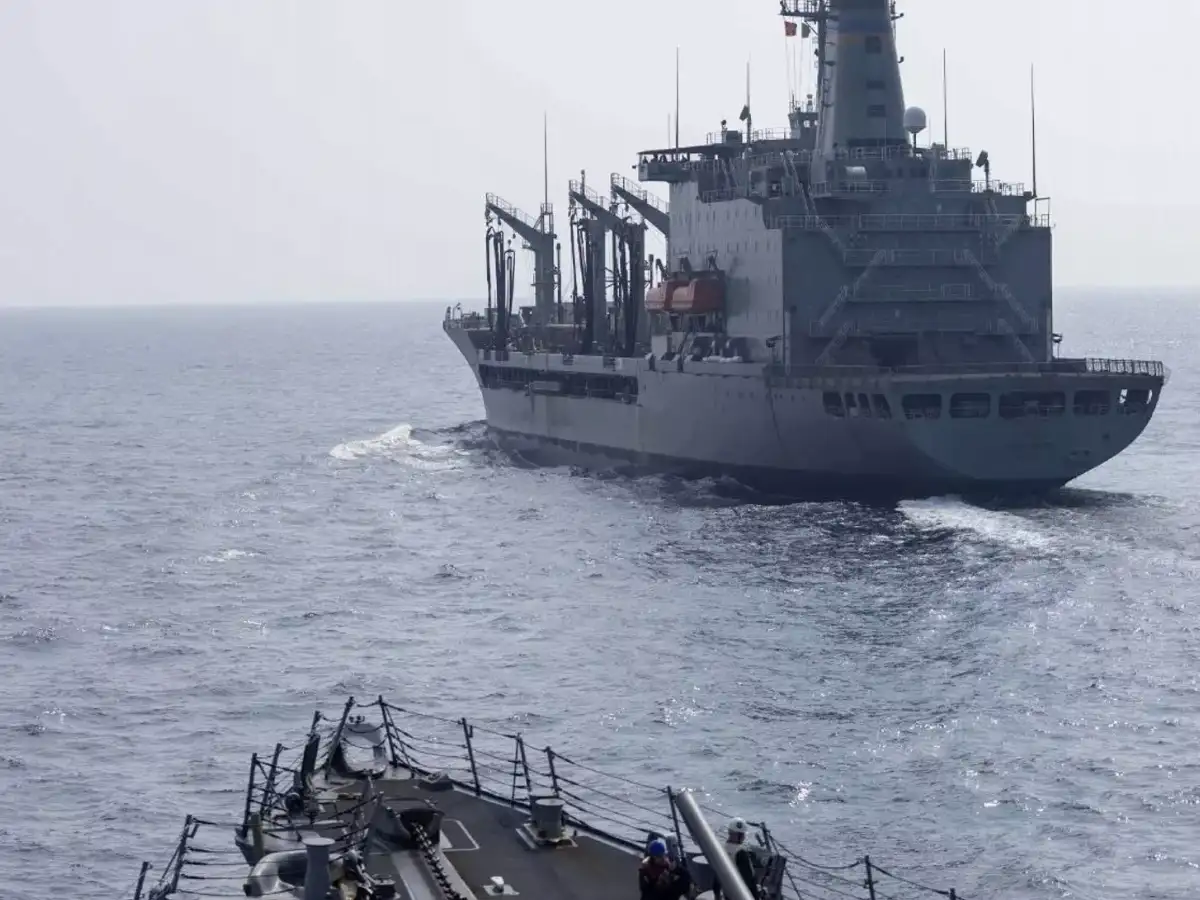
Qatar halts LNG output after attacks; disruptions to hit Indian supplies, city gas firms flag concerns
Qatar has stopped liquefied natural gas production following attacks. This halts supplies to India, affecting industrial consumers and city gas companies. Petronet LNG cannot send ships through the Strait of Hormuz. This disruption impacts India's energy needs and domestic sectors. Companies are seeking clarity on future gas availability.
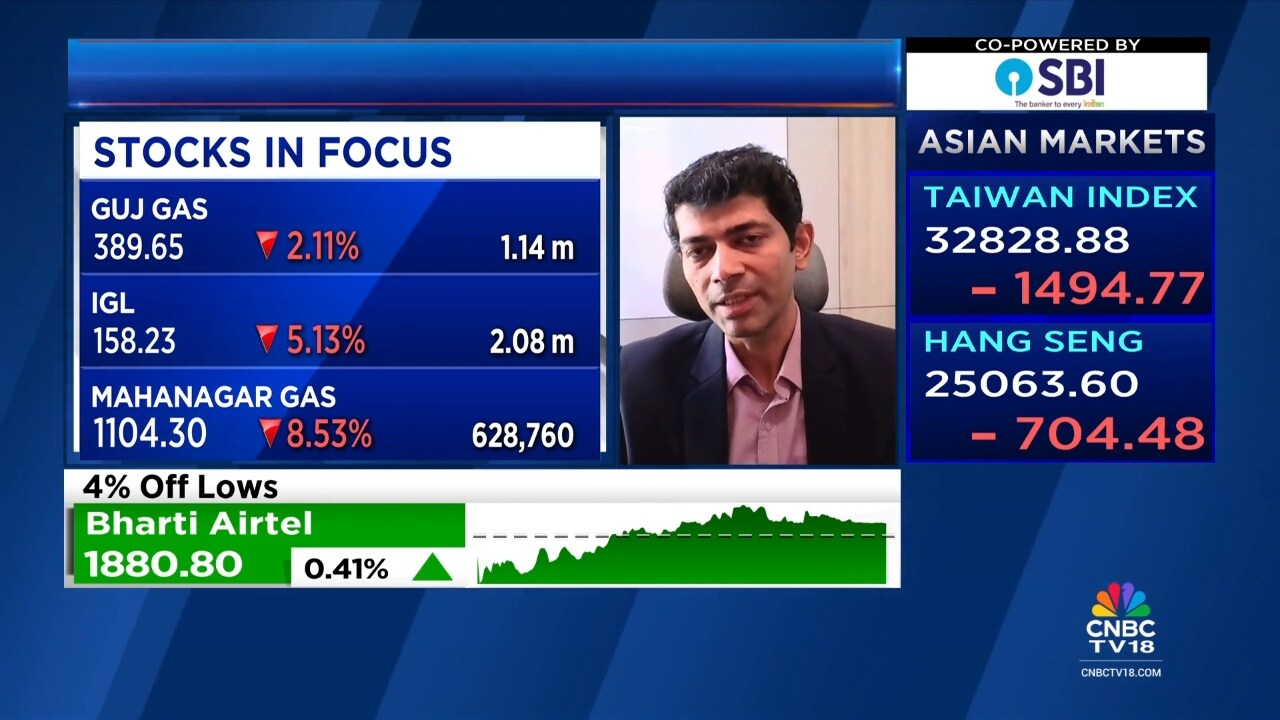
Energy Outlook | Gas prices nearly double amid West Asia tensions, says Crisil
Crisil Intelligence’s Director Sehul Bhatt says Middle East tensions pose a bigger risk to gas than oil as India has lower gas inventories and relies heavily on imports. With about 50% of gas imported—around 40% from Qatar—any disruption can tighten supply. Spot LNG prices have already surged to nearly 1.9–2 times pre-conflict levels, hurting industrial and commercial consumers the most. Bhatt adds industries may switch to alternate fuels like fuel oil or LPG if gas prices remain elevated.

ONGC, Oil India shares gain up to 2% as US, Israel attack on Iran lifts oil to over $80. What’s next for prices?
Middle East tensions are driving up crude oil prices, impacting Indian energy stocks like ONGC and Oil India. Escalating attacks and potential disruptions in the Strait of Hormuz could significantly boost oil prices, raising India's import bill and inflation risks. Analysts warn of substantial price hikes if the conflict widens.

ET Graphics: Oil’s not well with the world
India and other Asian nations face significant risks. Their reliance on West Asian oil and gas imports makes them vulnerable. A prolonged and intensifying conflict in the region could lead to supply disruptions. This situation also threatens price shocks for these economies. The current geopolitical climate demands attention to energy security.
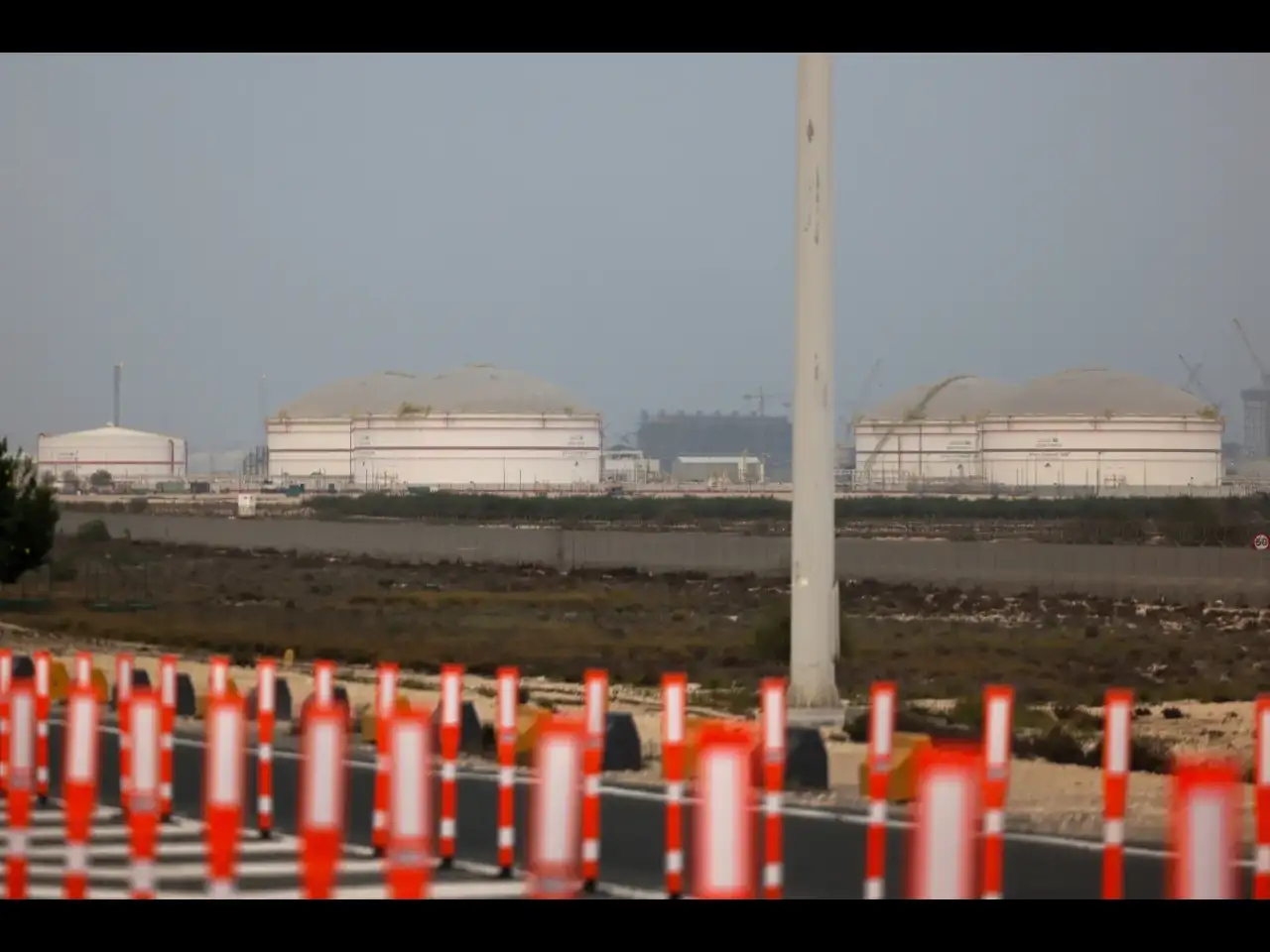
Industrial users stare at propane, natural gas shortage after Qatar halted production
Indian industries face potential propane and natural gas shortages. Qatar has halted liquefied natural gas production following a drone attack. This impacts industrial customers, though household piped natural gas supplies remain unaffected. Companies are monitoring the situation closely. Global energy prices and shipping costs are also rising.
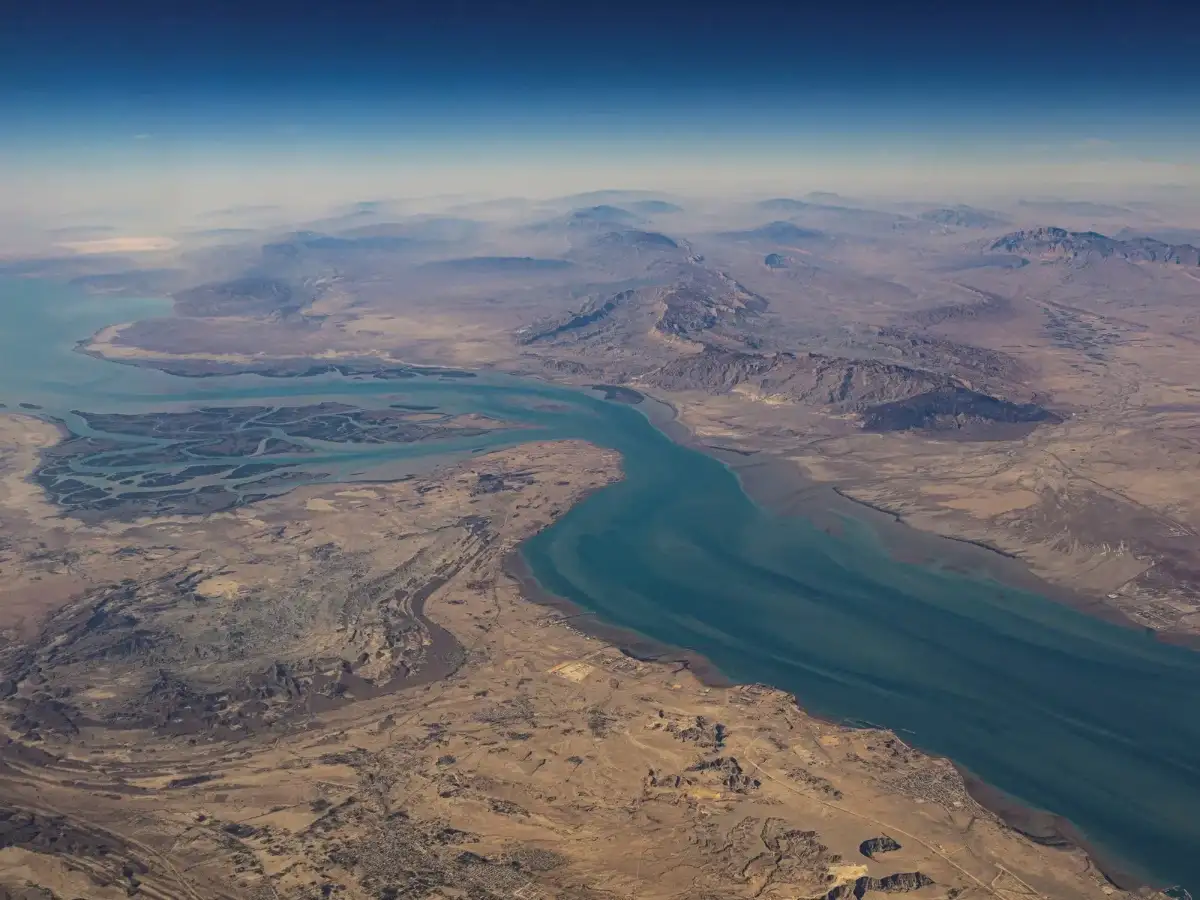
Asian countries most at risk from oil & gas supply disruptions in Strait of Hormuz: Research group
Asian nations are most vulnerable to oil and gas supply disruptions in the Strait of Hormuz. Japan faces the highest risk, followed by South Korea and India. Around 20 percent of global oil and LNG flows through this vital chokepoint. China and India are the largest destinations for these energy resources.

Indian govt assures fuel availability, affordability amid Iran-Israel tensions
The Ministry of Petroleum and Natural Gas reviewed crude and LPG supplies as Iran-Israel tensions pushed up global oil prices and raised concerns over energy security.

Brent at $100? Why India could be hit hardest by the US–Iran war; ONGC, Oil India to benefit
JM Financial warns that India's economic exposure to energy shocks from the Middle East escalation is significant. The shift to oil-driven markets could increase inflation and impact trade balance, as India imports 85% of its oil. Crude price rises could have widespread effects across sectors.

Watch | Higher crude supports upstream oil stocks, downstream outlook weak: Probal Sen
ICICI Securities energy analyst Probal Sen said crude prices around $75 per barrel are unlikely to trigger windfall taxes, supporting upstream companies such as Oil and Natural Gas Corporation (ONGC) and Oil India. However, he expects near-term pressure on downstream and gas companies as rising liquified natural gas (LNG)-linked input costs could impact margins. Sen remains cautious on the sector over the next three to six months but maintains a constructive long-term view on Hindustan Petroleum Corporation Ltd (HPCL), Bharat Petroleum Corporation Ltd (BPCL) and city gas distributors.

Watch | Sanjay Parekh on where he sees value in banks, IT, cement and telecom stocks
Sohum Asset Managers’ Founder & CIO, Sanjay Parekh, says markets look sluggish despite improving macro conditions, with Q3 Nifty earnings near 8–9%. He sees recovery in CVs (Ashok Leyland), credit growth at ICICI Bank and gradual picka a up in cement and steel. Portfolio stays domestic-focused: overweight telecom, NBFCs, industrials, cement, utilities, ports and logistics; underweight oil & gas and banks, zero FMCG. Watching IT names like Infosys and TCS, mid-cap tech (Persistent, Coforge, Mastek), defence HAL, quick commerce Zomato and Swiggy, and capital goods L&T, JSW Energy.
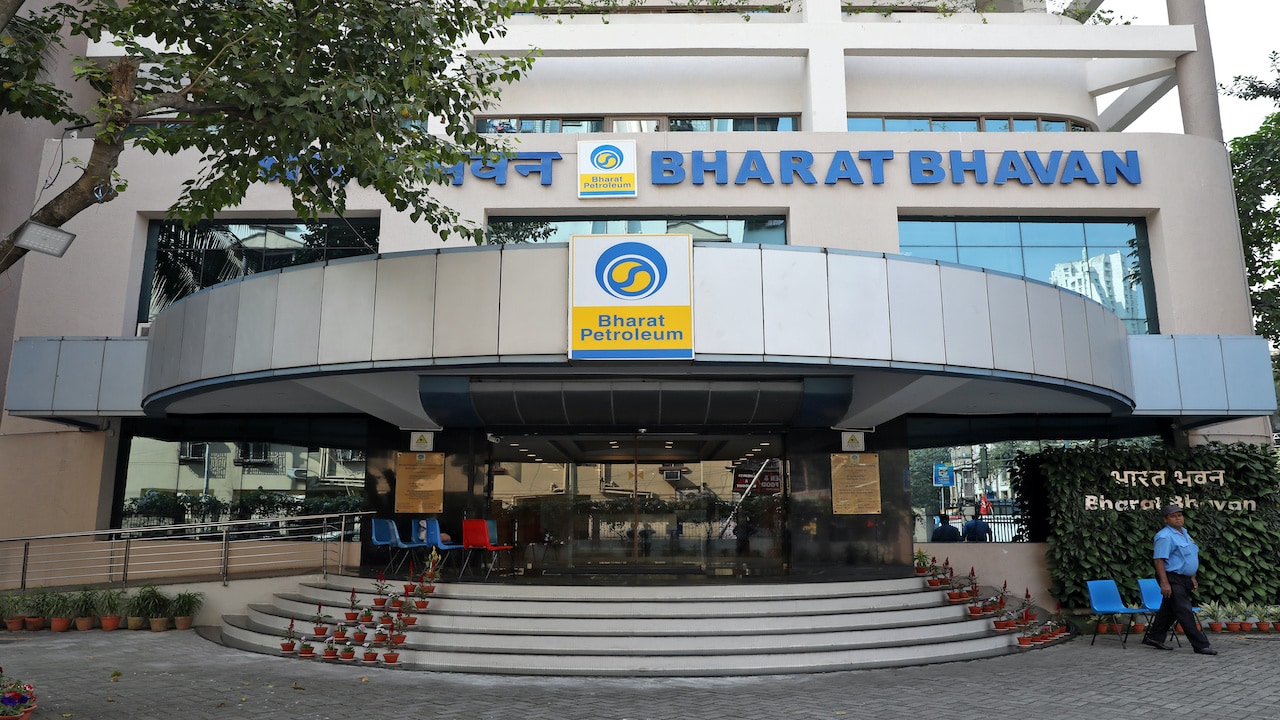
Bharat Petroleum sets up Singapore arm to expand global energy trading
The subsidiary has been set up to establish a trading desk for trading in crude oil, natural gas, petroleum and other petrochemical products, along with associated activities.