Market News
Stay updated with the latest market trends, earnings, and economic indicators.

Sensex jumps over 500 points, Nifty tops 24,150 as oil slips below $70/bbl on US-Iran peace talks
Indian stock markets saw a second day of gains, with Sensex and Nifty inching up as oil prices plummeted to $70 a barrel amid US-Iran peace talks. Tech stocks like Infosys led the charge, while broader markets also traded higher. Analysts point to falling crude, strong auto sales, and tapering FII selling as positive near-term drivers, though monsoon progress remains a watch point.
INR slumps back beyond Rs 95 per dollar mark as dollar stays firm; positive local equities cap downside
The Indian rupee depreciated 67 paise to close near a three-week low of 95.23 (provisional) against the US dollar on Wednesday, as a strengthening dollar index weighed on emerging market currencies. The USD/INR pair witnessed significant pressure due to the strengthening of the American currency in the overseas market, persistent capital outflows, and broader Asian currency weakness. Moreover, market sentiment turned highly cautious, following the breach of the psychological level of 95.00. Local equities also rebounded driven by positive global cues, a drop in crude oil prices, and easing geopolitical tensions. The NSE Nifty 50 gained 140.10 points (0.59%) to close at 24,005.85, while the BSE Sensex climbed 443.97 points (0.58%) to settle at 76,922.64.
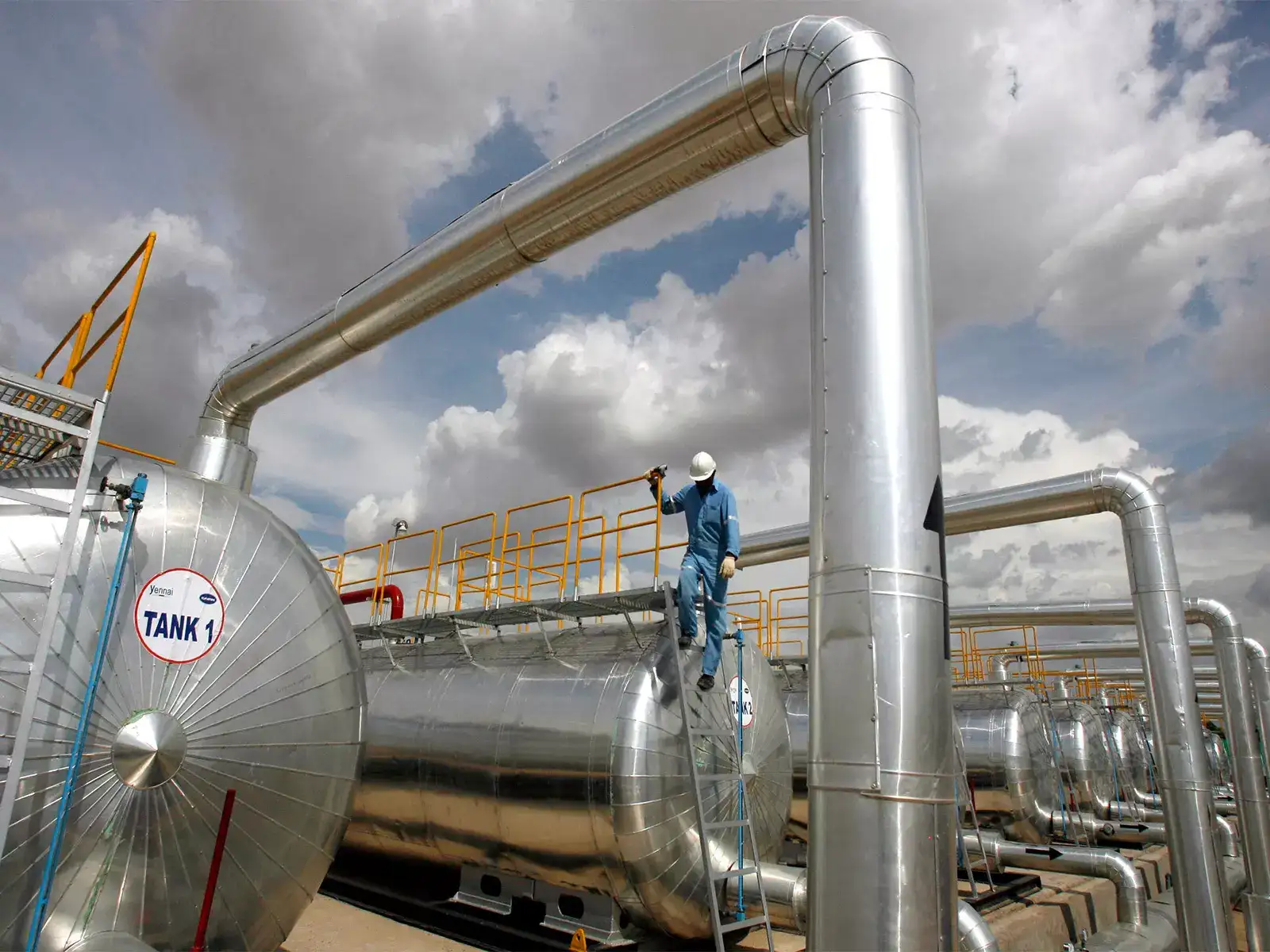
India's Russian oil imports to hit record high in June, data shows
India's Russian oil imports hit an all-time high in June, reaching approximately 2.70 million barrels per day. This surge is attributed to refiners seeking Russian barrels to offset potential supply disruptions from the Strait of Hormuz. Russian oil now constitutes over half of India's total crude imports, significantly increasing its dominance as the primary supplier.
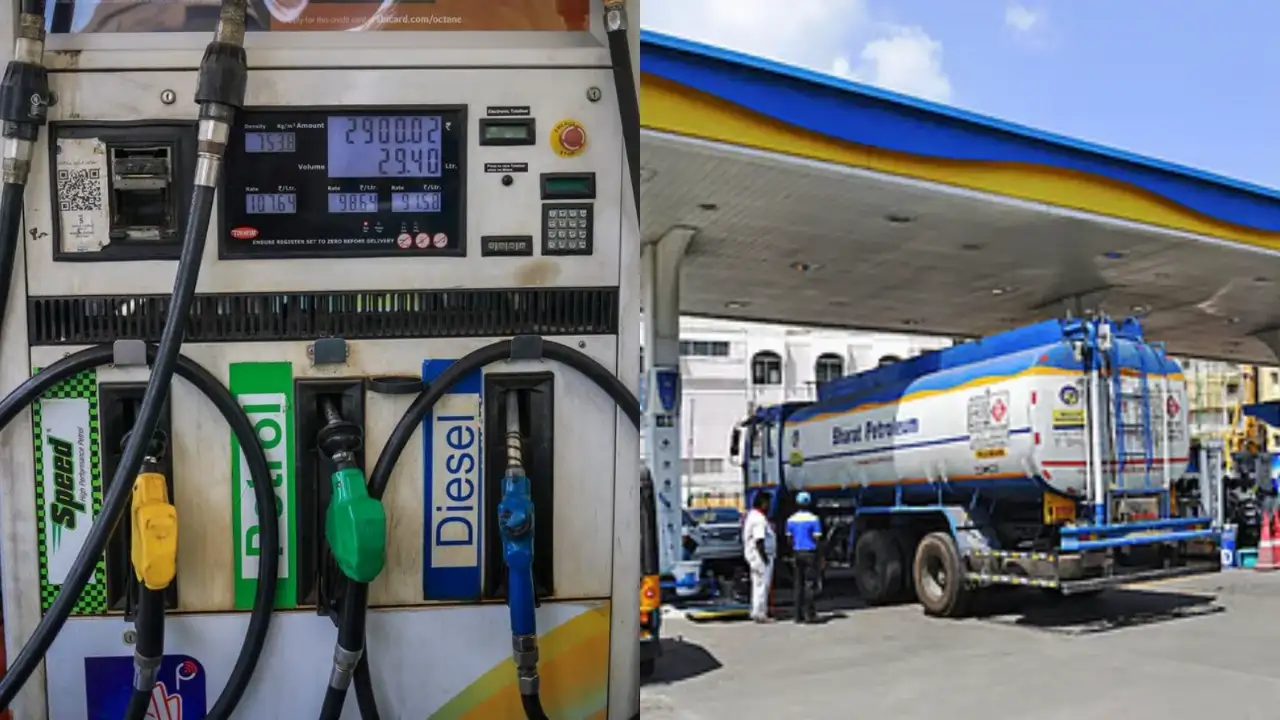
Government lifts curbs on petrol, diesel sales at pumps as global oil prices fall
Fuel stations can now freely sell petrol and diesel to all customers. The government has removed restrictions on bulk buyers purchasing fuel at retail pumps, a move effective July 1. This decision follows a significant drop in global oil prices, which has drastically reduced the price difference between bulk and retail fuel rates. Previously, soaring oil prices had led to supply issues at petrol stations.

Welspun Corp stock zooms 111% from February low; here's why
The medium to long term business outlook for Welspun Corp continues to remain positive across all its businesses, supported by strong focus on Oil & Gas, energy security and transition initiatives.
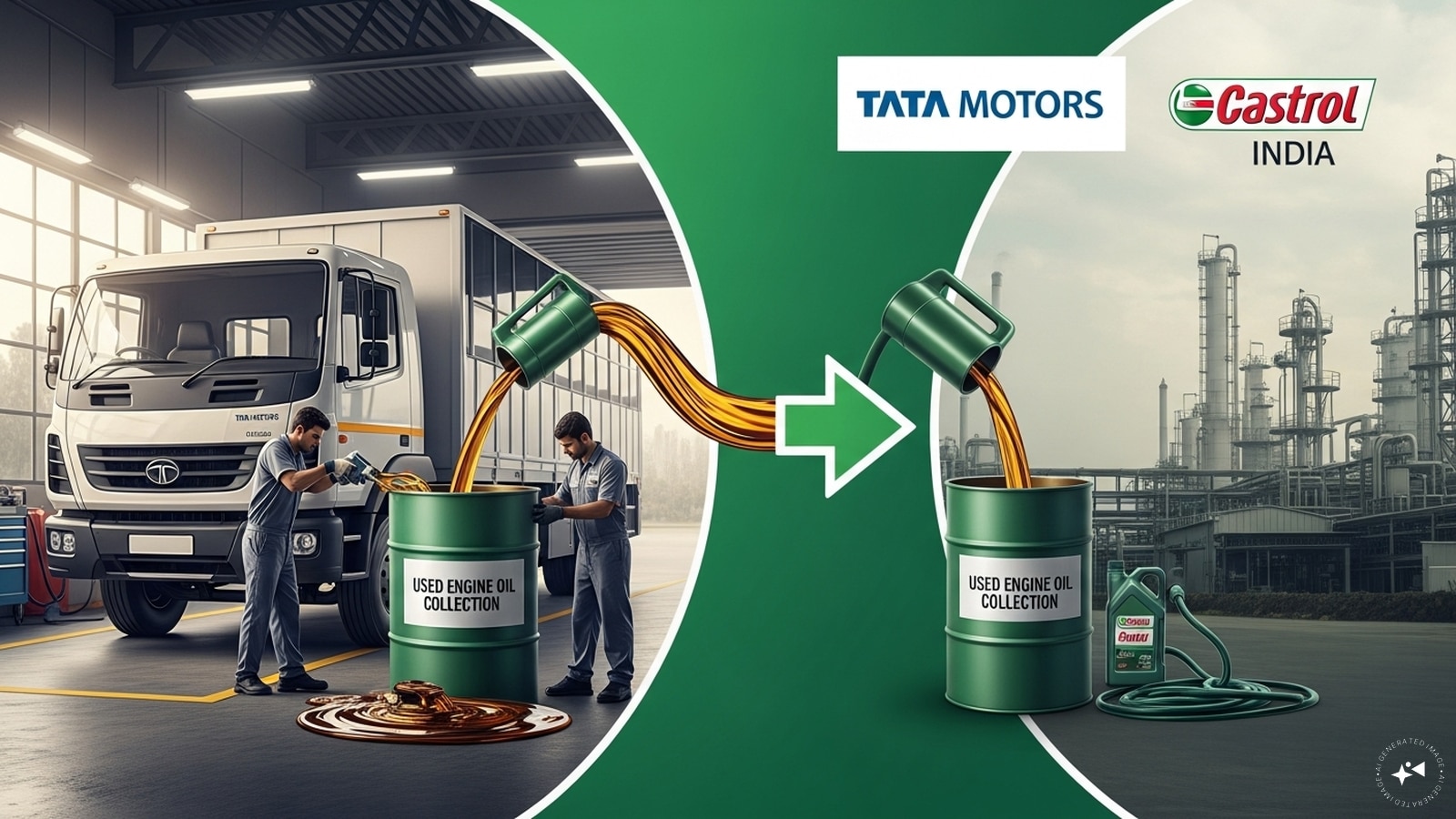
Tata Motors, Castrol India partner to build circular economy for used engine oil
Tata Motors and Castrol India will pilot a used engine oil collection and recycling programme in Karnataka. The companies aim to build a scalable circular economy model for lubricants through a traceable recycling ecosystem.

Tata Motors, Castrol join hands to advance used oil circularity across the lubricant value chain
Tata Motors and Castrol India have partnered to launch a pilot program for used oil recycling in Karnataka. This initiative aims to create a traceable system for collecting and processing used engine oil from Tata Motors' service centers, addressing a critical environmental concern. The collaboration seeks to establish a scalable model for responsible oil management, contributing to a circular automotive ecosystem in India and aligning with both companies' sustainability goals.
Tata Motors signs MoU with Castrol India
To launch pilot programme for responsible used-oil management
Sensex falls 50 points, Nifty above 24,050; Eternal, Sun Pharma, TechM rise 1%
Indian stock markets traded mixed on Monday, with Sensex dipping slightly and Nifty inching higher amidst rising oil prices due to Iran-US tensions. While some blue-chips gained, broader markets saw a minor decline. Analysts suggest a potential market upturn due to easing FII selling and South Korea's volatility, but a deficient monsoon remains a concern. Upcoming Q1 results are expected to drive stock-specific movements.

Mcap of 6 of top-10 most valued firms climbs Rs 88,678 cr; ICICI Bank biggest winner
Indian stock markets saw a modest gain last week, with the top 10 companies adding Rs 88,678.1 crore in market valuation. ICICI Bank led the surge, followed by HDFC Bank and Reliance Industries. However, Bharti Airtel, TCS, and LIC experienced significant valuation drops. This positive market sentiment was attributed to easing crude oil prices and improved geopolitical developments.

Six of top-10 firms add ₹88,678 crore in mcap, ICICI Bank biggest winner
The combined market valuation of 6 of the top-10 most valued companies went up by Rs 88,678.1 crore in a holiday-shortened last week, with ICICI Bank emerging as the biggest winner. Last week, the BSE benchmark Sensex climbed 297.57 points, or 0.38 per cent, and the NSE Nifty went up by 42.9 points, or 0.17 per cent. "Markets ended the holiday-shortened week with modest gains, advancing in three of the four trading sessions. Sentiment remained constructive, supported by easing crude oil prices, improving geopolitical developments in West Asia, and selective buying by foreign institutional investors (FIIs)," Ajit Mishra, SVP, Research, Religare Broking Ltd, said. While Reliance Industries, HDFC Bank, ICICI Bank, State Bank of India, Bajaj Finance and Larsen & Toubro were the gainers, Bharti Airtel, Tata Consultancy Services (TCS), Life Insurance Corporation of India (LIC) and Hindustan Unilever faced erosion from their valuation. The market valuation of ICICI Bank jumped Rs ...
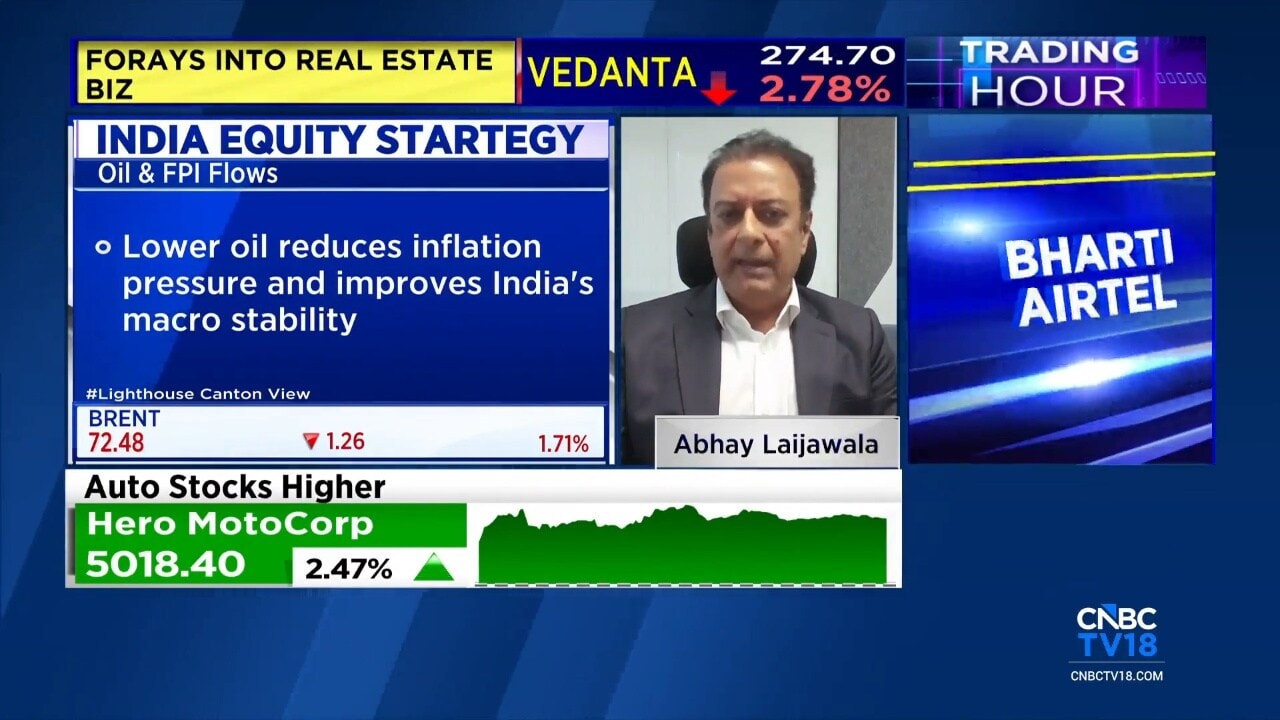
India's AI infrastructure opportunity is being underestimated, says Abhay Laijawala
Abhay Laijawala, MD & CIO-India at Lighthouse Canton, believes key concerns weighing on India—including oil prices, currency stability and the perception that India lacks an AI story—are turning into tailwinds. He argues investors are overlooking India's role in the global AI infrastructure buildout, spanning data centres, power, cooling systems and capital goods. Laijawala is positive on engineering, capital goods and textiles, while remaining cautious on consumer staples due to El Niño risks.