Market News
Stay updated with the latest market trends, earnings, and economic indicators.
INR traded with a depreciating bias amidst widening of merchandise trade deficit and rise in oil prices: RBI annual report 2025-26
The Indian Rupee (INR) traded with a depreciating bias during the year amidst trade related uncertainties, geopolitical tensions, and foreign portfolio investment (FPI) outflows in the equity segment, RBI noted in its annual report 2025-26. The Indian Rupee (INR) experienced bouts of volatility amidst rise in geopolitical tensions and tariff related uncertainties. The widening of merchandise trade deficit and rise in oil prices during the last quarter added to the headwinds. The Reserve Bank intervened in the forex market through operations in the onshore/ offshore OTC and exchange traded currency derivatives segments to maintain orderly market conditions and contain excessive volatility in the exchange rate, the report noted.
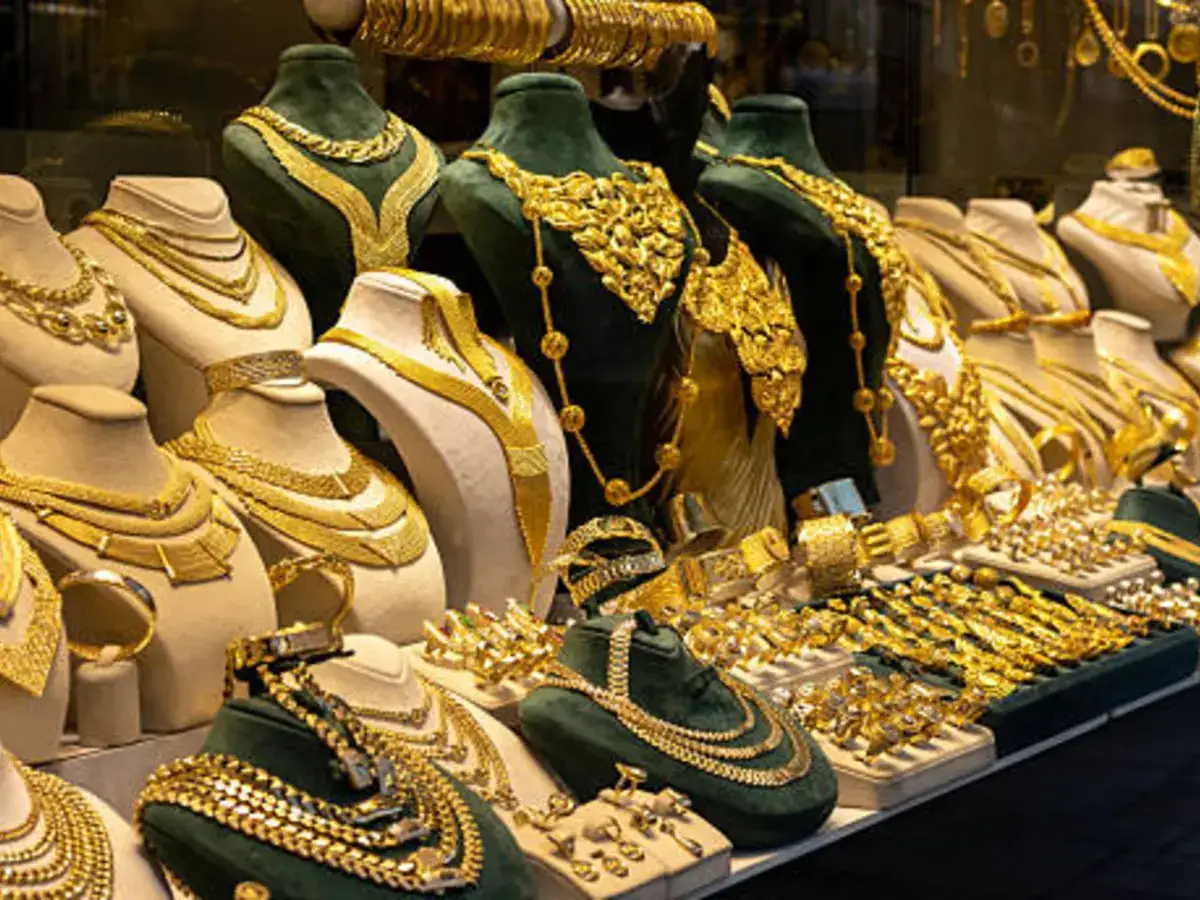
India’s Gold Import Problem May Already Have A Solution At Home
India's massive gold imports are prompting a shift in consumer behaviour. Families are now exchanging old jewellery, unlocking dormant value. Organised brands are expanding gold exchange programs, making purchases more transparent. This trend helps reduce reliance on new gold imports. Indians are not giving up gold but are using their existing holdings more wisely.
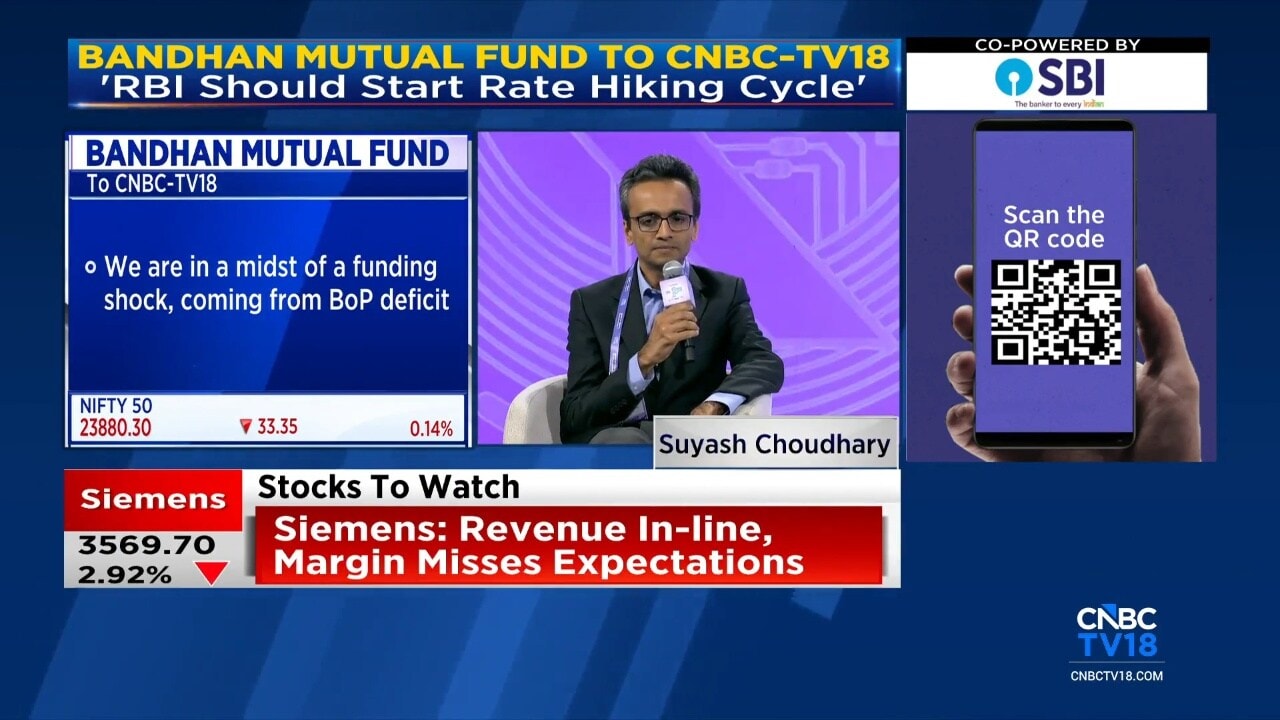
RBI should start rate hike cycle as inflation risks rise, says Bandhan MF’s Suyash Choudhary
Average inflation forecasts are likely to move higher, and the RBI should begin the rate hike cycle to maintain its credibility as an inflation-focused central bank, according to Suyash Choudhary, CIO-Fixed Income at Bandhan Mutual Fund. However, he believes rate hikes alone may not immediately solve the problem. He said the RBI must avoid mixed messaging to prevent market uncertainty and added that a favourable mix of global factors — including lower oil prices, better foreign inflows, and a weaker dollar — could help improve the situation.
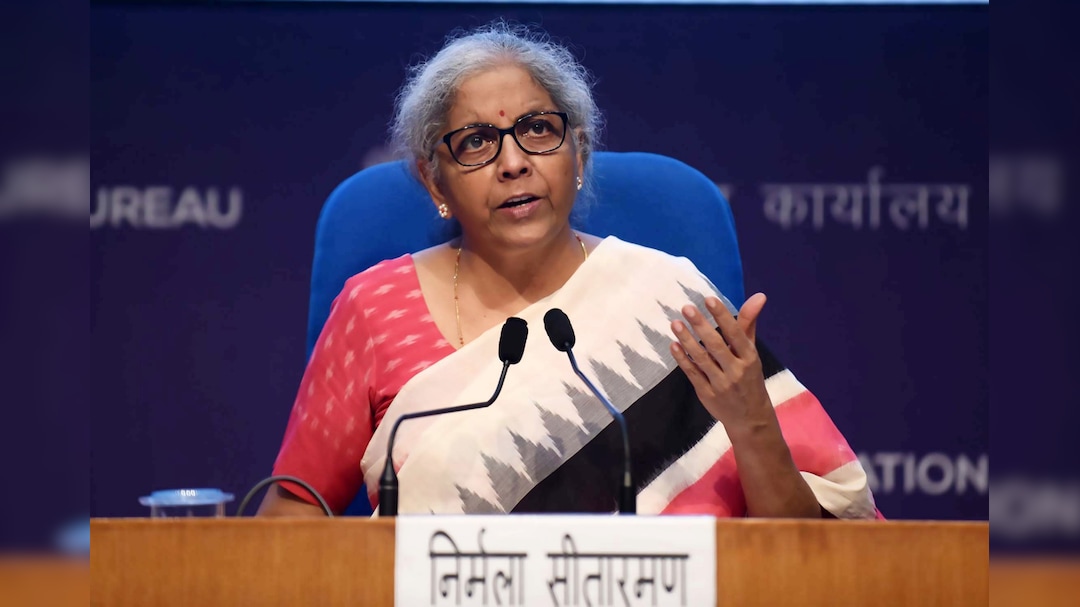
'India Cannot Afford Fear Mongering': FM Sitharaman On Fuel Prices, MSME Credit Push, And US-Iran Conflict
Sitharaman also linked Prime Minister Narendra Modi's recent appeal for austerity to rising global crude oil, fertiliser and gold prices, saying the pressure on imports had implications for both inflation and foreign exchange reserves.

Modi wants Indians to press pause on gold. But the $5.2 trillion obsession runs deep
India’s attempt to protect the rupee is now colliding with one of the country’s strongest cultural habits — buying gold. After Prime Minister Narendra Modi urged citizens to avoid gold purchases for a year, the government raised gold import duty from 6% to 15% to reduce pressure on foreign exchange reserves and the current account deficit.

Retail SIP boom boosts AMC outlook; Nippon, ICICI Pru lead pack: Siddhartha Khemka
India's asset management sector is transforming with systematic investing driving growth and stability, reducing reliance on volatile discretionary capital. SIP inflows have surged, now forming a significant portion of mutual fund assets, indicating a shift towards predictable, annuity-like revenue streams. This structural change positions the industry for sustained, retail-led expansion.
Import tariff values for gold, silver raised
India's customs board has increased import tariff values for gold and silver. This move aims to manage import costs due to global commodity price changes. Edible oils like palm and soybean oil also see minor adjustments. These new valuations will be effective from May 16, 2026. Policymakers are also looking to control pressure on foreign exchange reserves.
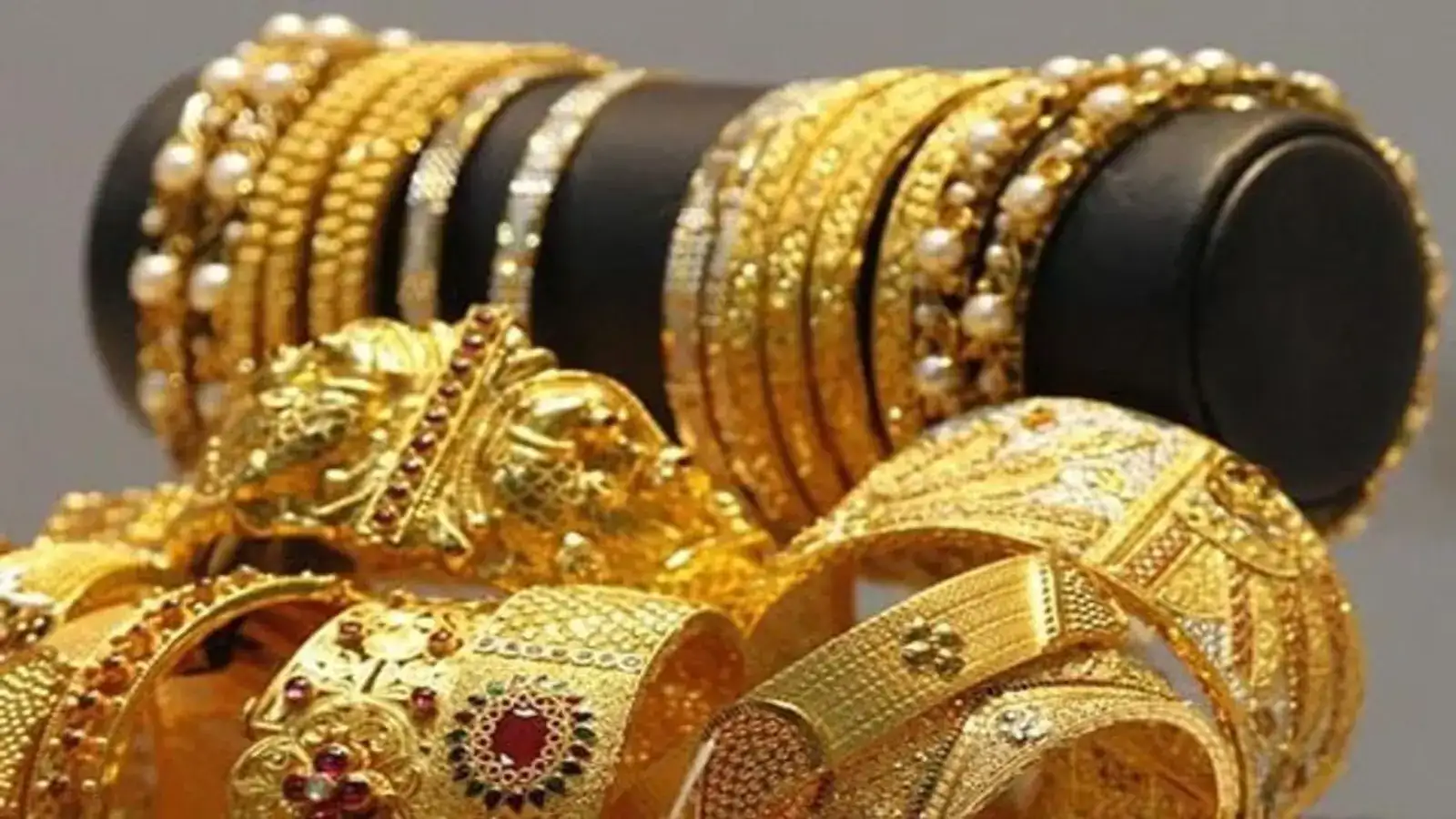
India raises gold import duty back to 15%: What’s behind the move
India has significantly raised import duties on gold, silver, and platinum. This move aims to safeguard the nation's economy and foreign exchange reserves. The government prioritises essential imports like crude oil and fertilisers. This decision reflects a proactive approach to manage external risks.
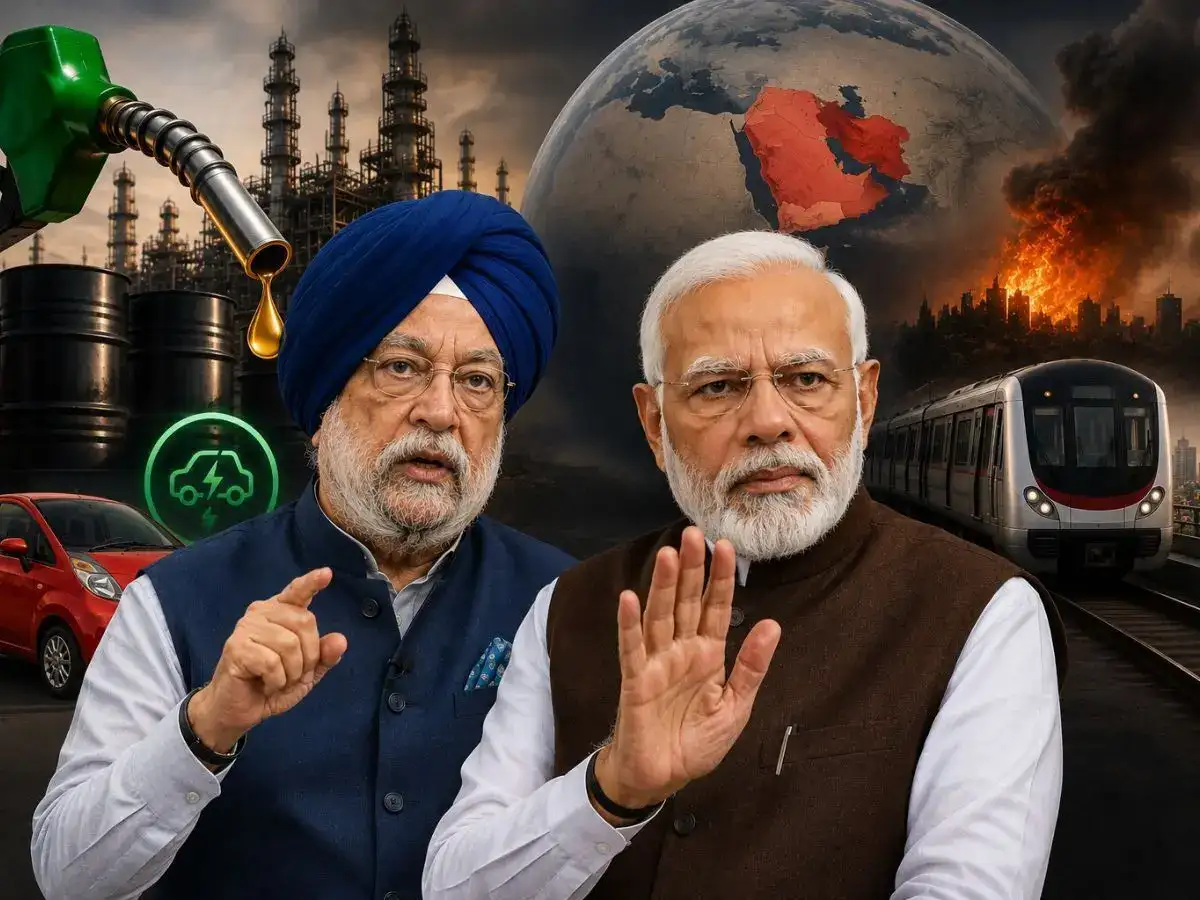
Lockdown in India? Oil Minister Hardeep Singh Puri reacts amid PM Modi's 'save petrol, diesel' appeal
Amidst West Asia conflict and Prime Minister Modi's appeal for fuel conservation, Oil Minister Hardeep Singh Puri stated there are no plans for a lockdown. LPG production has been significantly increased, and the government is urging citizens to adopt measures like work from home and reduce consumption of gold and foreign travel to save foreign exchange and foster self-reliance.
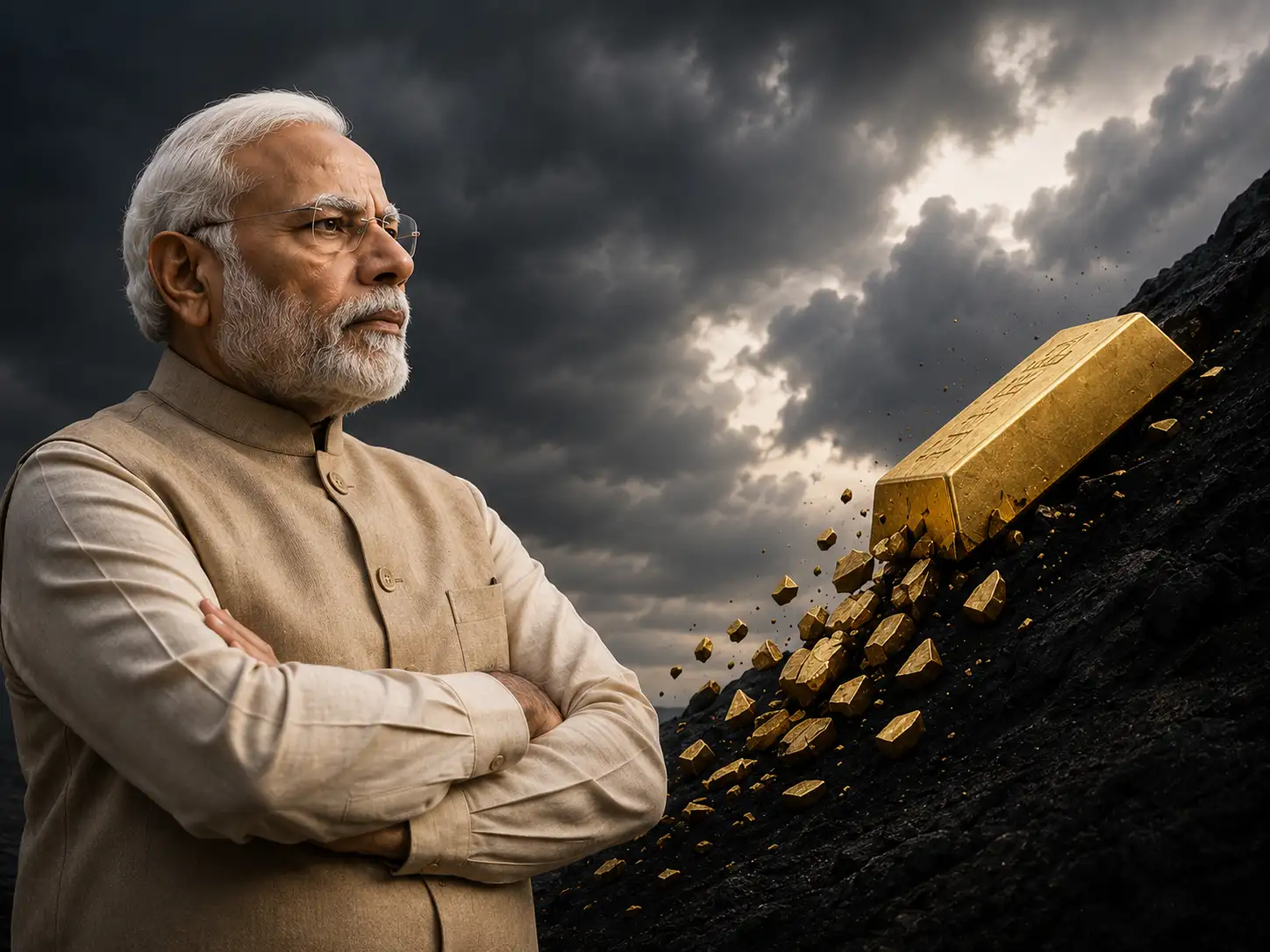
PM Modi doesn't want you to buy gold for next 1 year. A bigger crash on the cards?
Prime Minister Modi urged Indians to avoid buying gold for a year, a move seen as an attempt to protect foreign exchange reserves amidst global uncertainty and rising crude oil prices. While jewellery stocks saw a knee-jerk reaction, experts believe the appeal may cause temporary caution rather than alter India's deep-rooted affinity for gold.

Equity MFs inflow dips 5% in April; SIP contributions fall to ₹31,115 cr
Equity-oriented mutual fund schemes garnered a net inflow of Rs 38,440 crore in April, marking a 5 per cent decline from the preceding month, amid geopolitical tensions in the Middle East, fluctuating crude oil prices, and concerns about global growth. Moreover, monthly contributions through SIPs (Systematic Investment Plans) declined to Rs 31,115 crore last month from Rs 32,087 crore in March,according to data released by industry body Amfi on Monday. Overall, the industry recorded a net infusion of Rs 3.22 lakh crore in April after witnessing an outflow of Rs 2.4 lakh crore in March. This was contributed by a huge inflow of Rs 2.5 lakh crore in the debt funds. The inflow has lifted the industry's assets under management by 11 per cent to Rs 81.92 lakh crore at the end of April, up from Rs 73.73 lakh crore at the end of March. This was driven by strong positive flows across segments and market to market gains witnessed during the month, said Venkat Chalasani, Chief Executive at ...

Baroda BNP Paribas MF sees easing crude boosting rate-sensitive stocks, chemicals
Baroda BNP Paribas Mutual Fund Senior Fund Manager Jitendra Sriram said softer crude prices could improve sentiment for India and support interest rate-sensitive sectors. He believes refining, oil marketing and select specialty chemical companies may benefit if West Asia tensions ease. Sriram also cautioned that higher raw material and logistics costs may pressure corporate earnings over the next few quarters despite resilient recent results. Disclaimer: The views and investment tips expressed by investment experts on CNBCTV18.com are their own and not that of the website or its management. CNBCTV18.com advises users to check with certified experts before taking any investment decisions.