Market News
Stay updated with the latest market trends, earnings, and economic indicators.
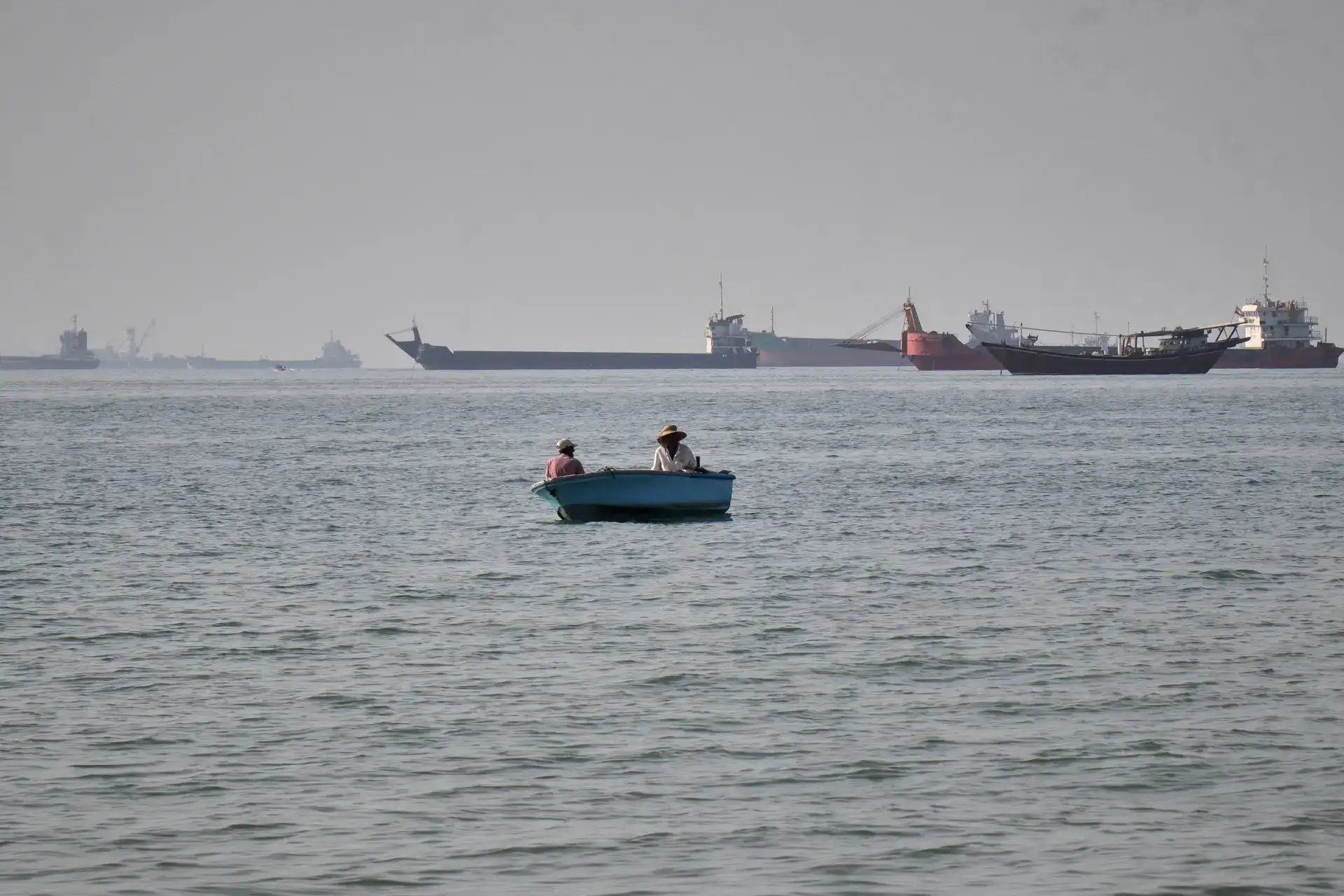
India prepares to send oil tankers through Hormuz for new supply
India is preparing to resume sending ships through the Strait of Hormuz to pick up oil and energy cargoes from Middle East suppliers for the first time since the Iran conflict began. State-run Shipping Corporation of India is ready to restart operations in the Persian Gulf once it receives approval from the Indian Navy and cargo orders from refiners.
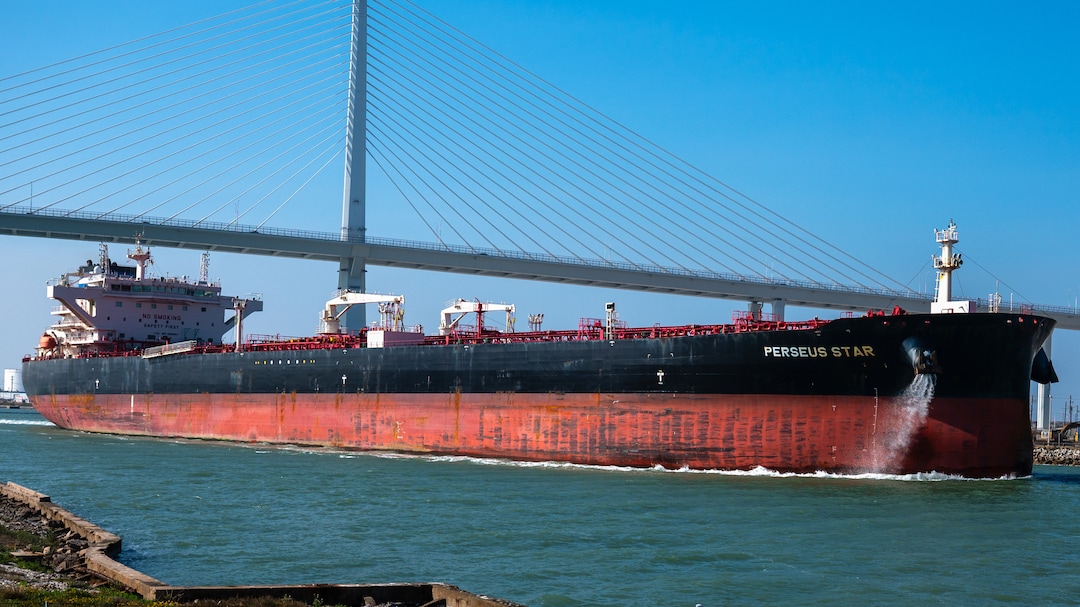
US Is Oil Supplier Of Last Resort As Hormuz Disruptions Worsen
Traders say US exports are beginning to test practical limits, with infrastructure and shipping constraints capping how much crude can consistently leave the US Gulf
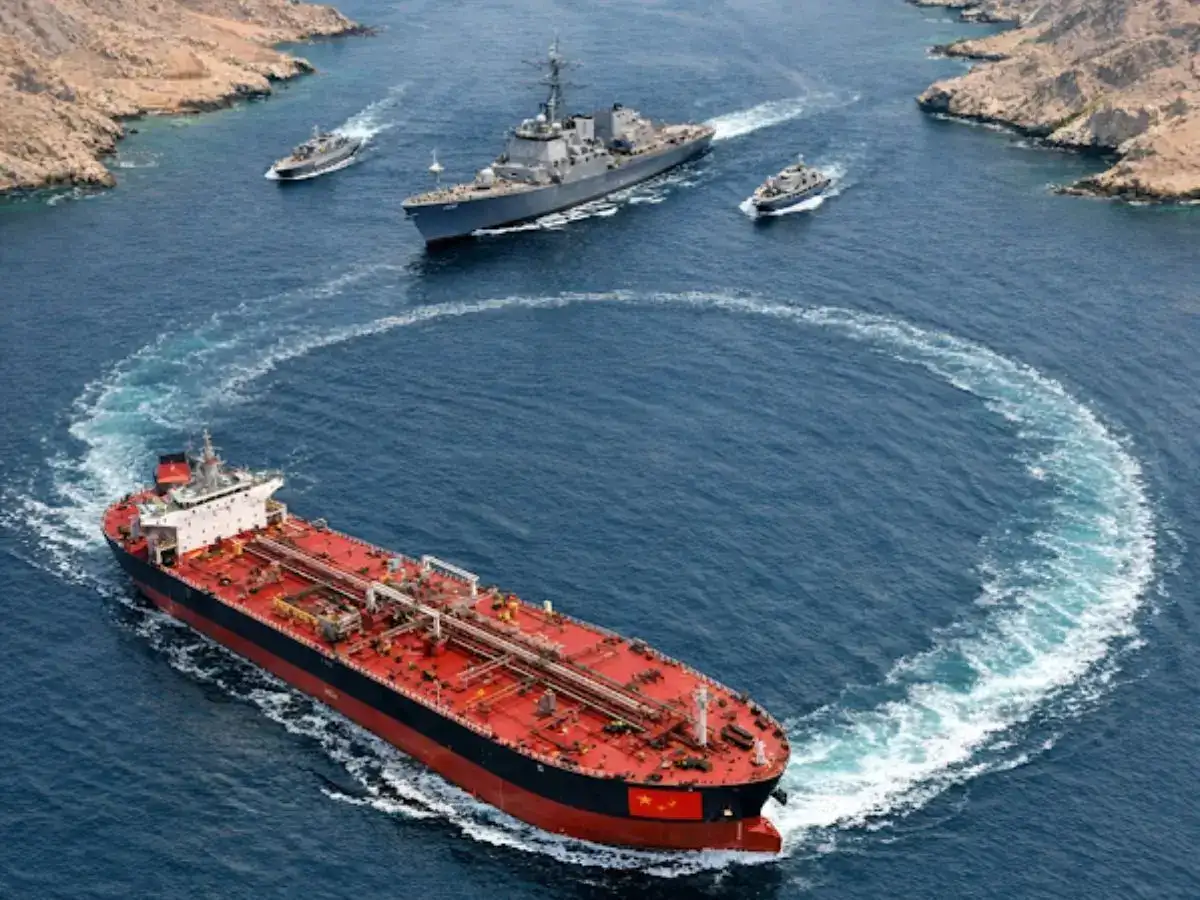
US-sanctioned Chinese tanker turns back to Strait of Hormuz, day after Gulf exit
The sanctioned tanker Rich Starry returned to the Strait of Hormuz after failing to breach a U.S. blockade on Iranian-linked vessels. U.S. forces say no ships passed in the first 24 hours, with several turning back, as disruptions deepen uncertainty for global shipping, oil markets, and insurers.
Asia buys most US oil in years as Iran war blocks Mideast flows
Asian nations are buying the most US oil in three years. This surge is driven by the Strait of Hormuz crisis disrupting Persian Gulf crude supplies. Buyers include Japan, South Korea, Taiwan, Singapore, and Thailand. This shift impacts global oil markets and shipping. The increased demand benefits US oil producers.
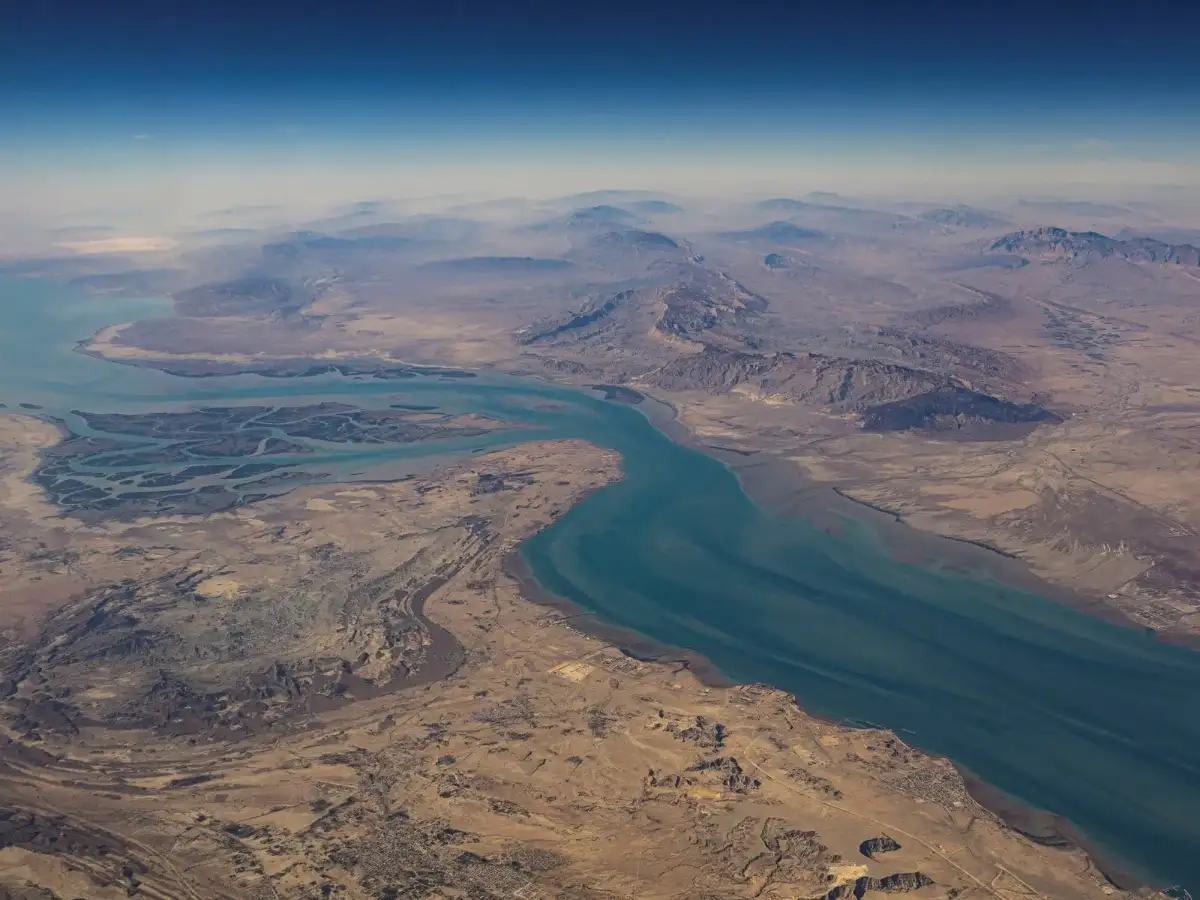
Strait of Hormuz tensions escalate as Iran targets regional energy infrastructure
In a dramatic turn of events, Iran has intensified its offensive against oil and gas installations across the Gulf, a direct response following an Israeli airstrike near the vital Strait of Hormuz. This escalating conflict places nearby shipping interests in jeopardy, with reported damage to vessels off both the UAE and Qatar.
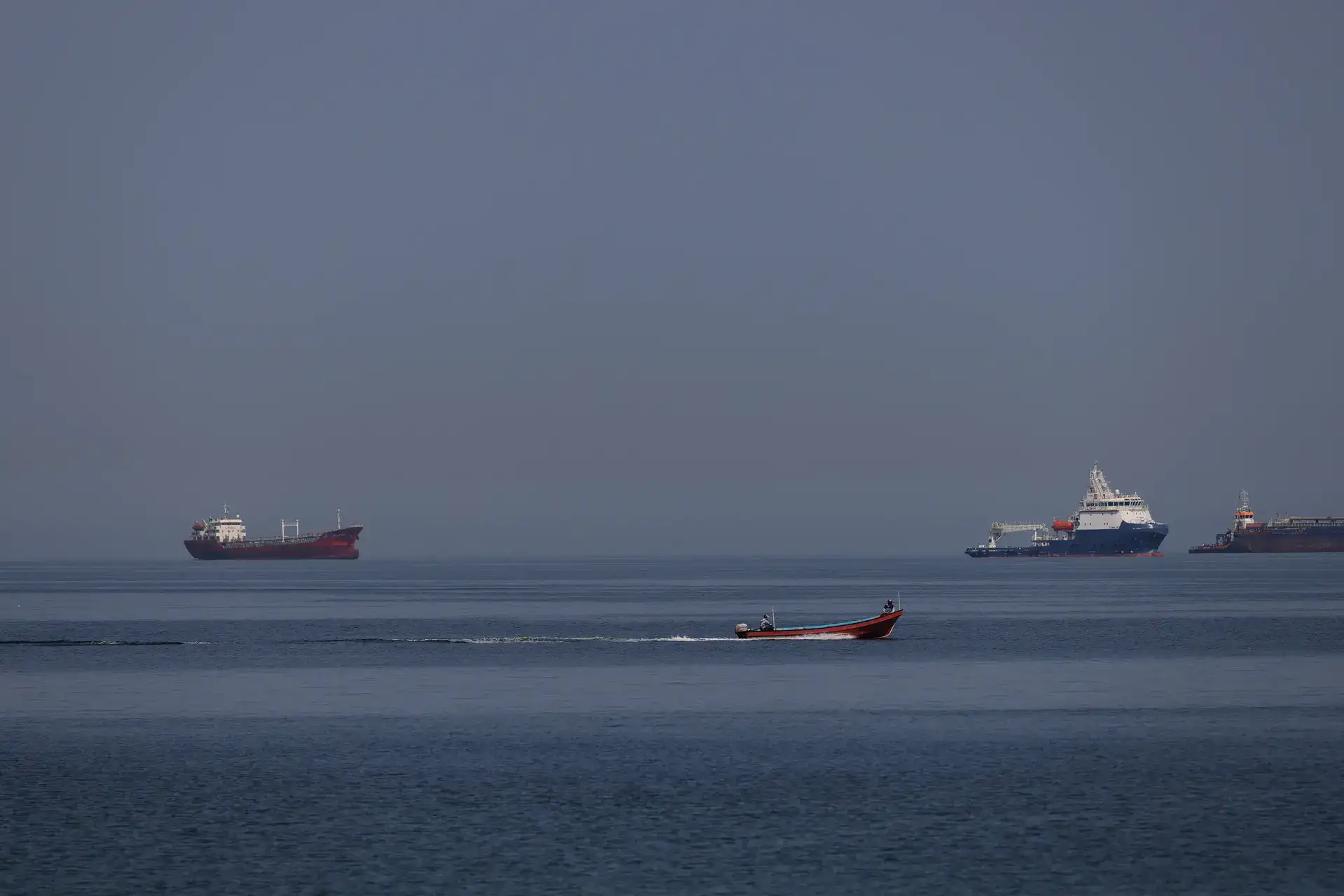
As war with Iran hurts oil prices, US turns to Iranian boats for help
The United States has temporarily eased sanctions to allow tankers linked to Iran’s “ghost fleet” to transport and sell Russian oil, aiming to ease soaring global oil prices amid the Middle East war. The move reflects the urgency to boost supply as disruptions in the Persian Gulf have sharply reduced oil flows and pushed prices higher.

Iran Israel War: Two LNG cargoes headed to India, 70% of imports bypass Strait of Hormuz
India's crude oil supply is firmly established and secure. Government representatives have assured that nearly 70% of our imports are funneled through various alternative routes, safeguarding us from turbulence in Gulf shipping lanes. With a daily consumption rate of 55 lakh barrels, the government is strategically acquiring crude oil and LNG through these routes.

Higher input costs likely to erode chemical companies' profits
Rising US-Iran tensions are impacting Indian chemical makers. Higher crude oil prices are increasing input costs for essential materials like methanol. Shipping delays and rerouting are adding to expenses. This situation affects companies reliant on imports from the Gulf. The fertilizer industry also faces supply shortages. These factors are squeezing profit margins for many Indian chemical and fertilizer producers.
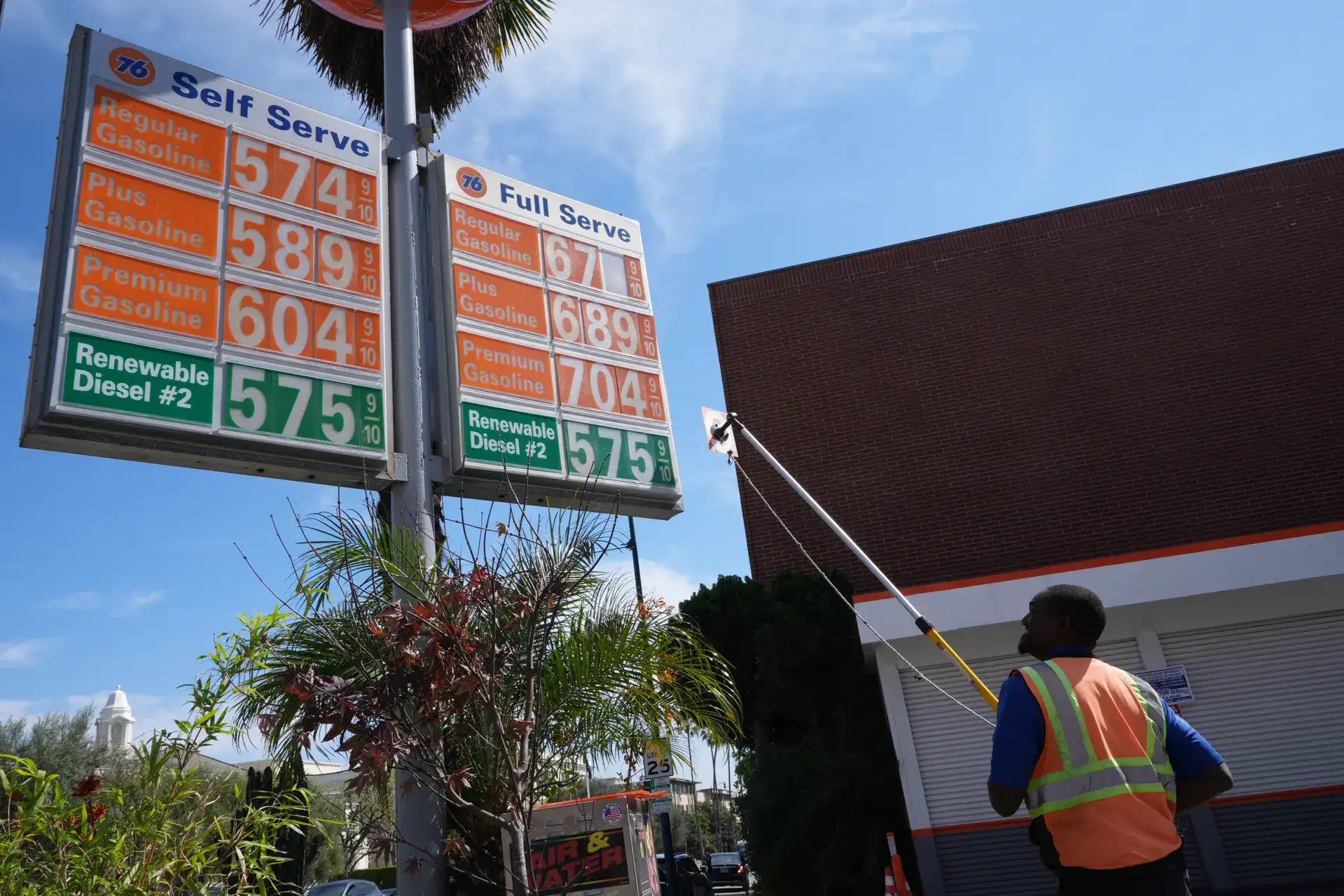
Oil and gas prices rapidly rise as Iran war shows no signs of letting up
Oil prices have surged after the US–Israel attacks on Iran escalated into a wider Middle East war, disrupting energy supplies and shipping in the region. Tankers carrying about 20 million barrels of oil a day are stranded in the Persian Gulf due to safety risks around the Strait of Hormuz, while damage to oil and gas facilities has further tightened supply.
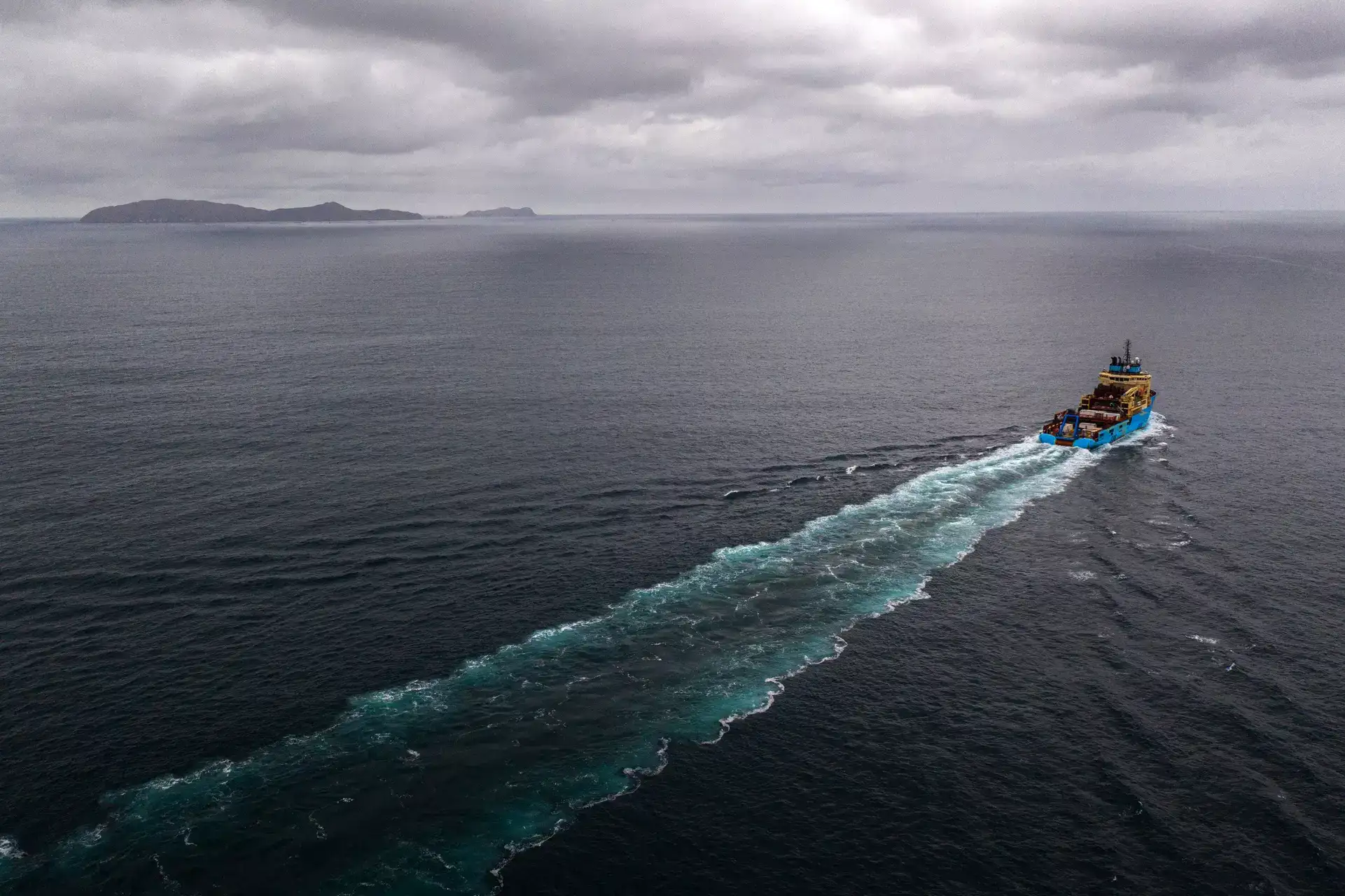
Iran conflict disrupts global shipping as tankers are stranded, damaged
War risk insurance for ships in the Gulf is being cancelled. The Iran conflict has disrupted shipping. Several tankers are damaged. Two seafarers have died. Around 150 ships are stranded near the Strait of Hormuz. Oil and gas prices have jumped. Shipping costs are set to rise further.