Market News
Stay updated with the latest market trends, earnings, and economic indicators.
Skoda Auto Volkswagen India aims to top industry growth in FY27
Skoda Auto Volkswagen India is set to outpace the Indian passenger vehicle market. The company plans to launch 18-19 new models and facelifts. This strategy aims to double their market share to 5% by 2030. Strong sales momentum in the current fiscal year supports this ambitious growth plan.

Government pushes faster PNG rollout amid Gulf crisis
India is pushing for more piped gas connections. Oil Secretary Neeraj Mittal has asked city gas companies to speed up adding household connections. This comes as the government eases rules for infrastructure. The move aims to reduce reliance on imported fuel. Recent global events highlighted vulnerabilities in current supply chains.
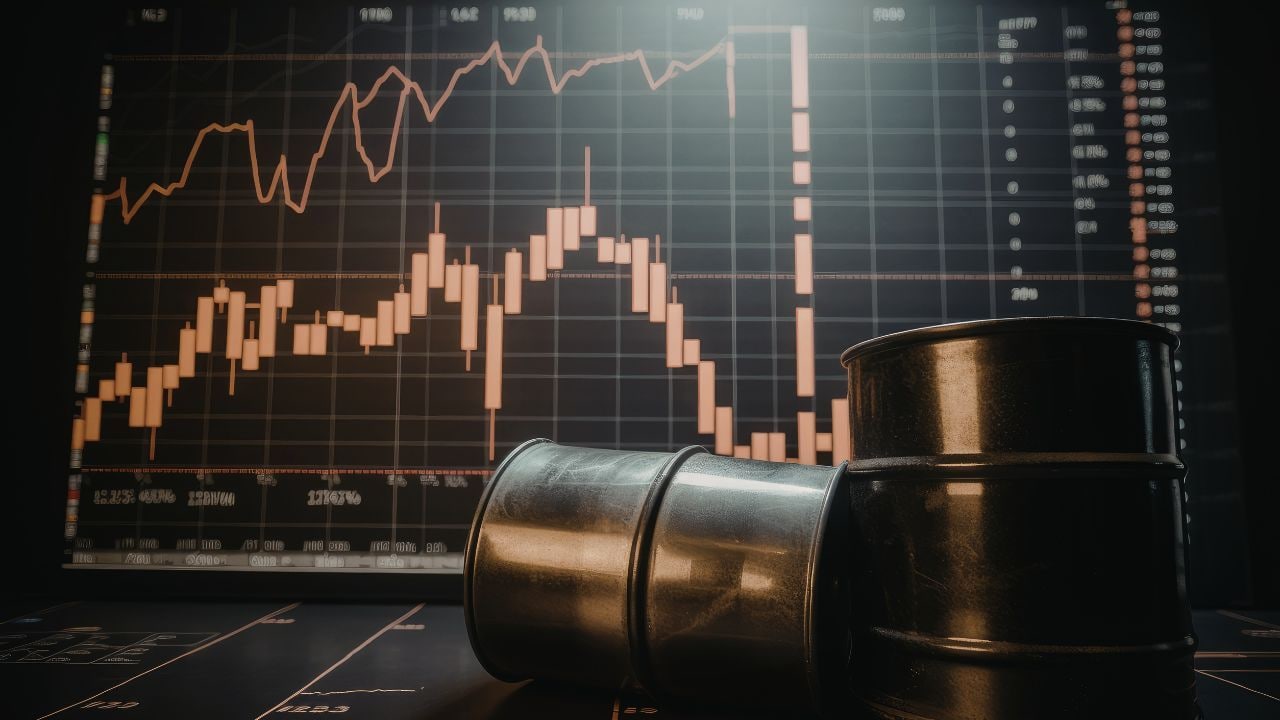
Oil could climb back to $150 if ceasefire breaks down, warns FGE's Iman Nasseri
Iman Nasseri, Managing Director - Middle East Research, FGE NexantECA, said crude markets remain sensitive to geopolitical developments, with current price movements reflecting only partial easing of risk.
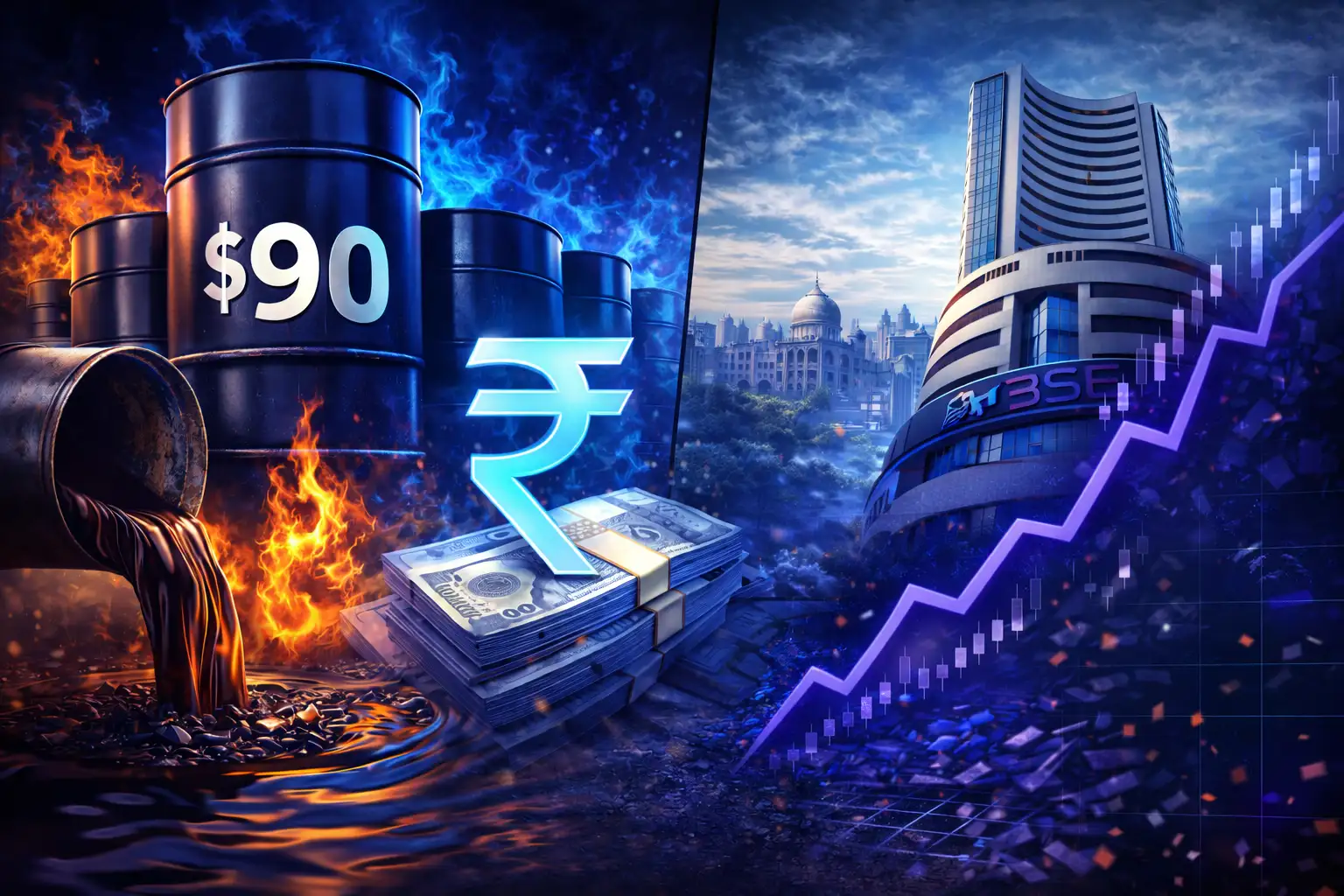
Crude is now less rude: What $90 oil means for your stocks, rupee, Indian economy
Global oil markets may be entering a structurally higher price regime, with Brent expected to remain elevated despite a US-led Israel-Iran ceasefire. India faces near-term relief but faces risks of imported inflation and a widening current account deficit. While valuations are attractive, sustained foreign investor inflows hinge on West Asian stability and declining crude prices.

HDFC Bank and Eternal among stocks Samir Arora is adding to his portfolio
As the ceasefire brings the US-Iran war to a pause, we asked the Singapore-based fund manager for stocks that look attractive at current levels.

US-Iran war: How to rebalance your portfolio beyond the traditional 60/40? Goldman Sachs answers
Goldman Sachs reports that despite the Iran war impacting markets, diversified portfolios have shown limited damage, with a modest 5% decline. The firm suggests rethinking portfolio strategies to balance growth, inflation protection, and risk mitigation in the current environment.

Has the Indian stock market priced in the US-Iran war? DSP MF explains why it is time to increase exposure to equities
As the US-Iran conflict escalates and oil prices surge, the Indian stock market faces uncertainty. DSP Asset Managers suggests that despite current headwinds, it might be an opportune moment to increase equity exposure.
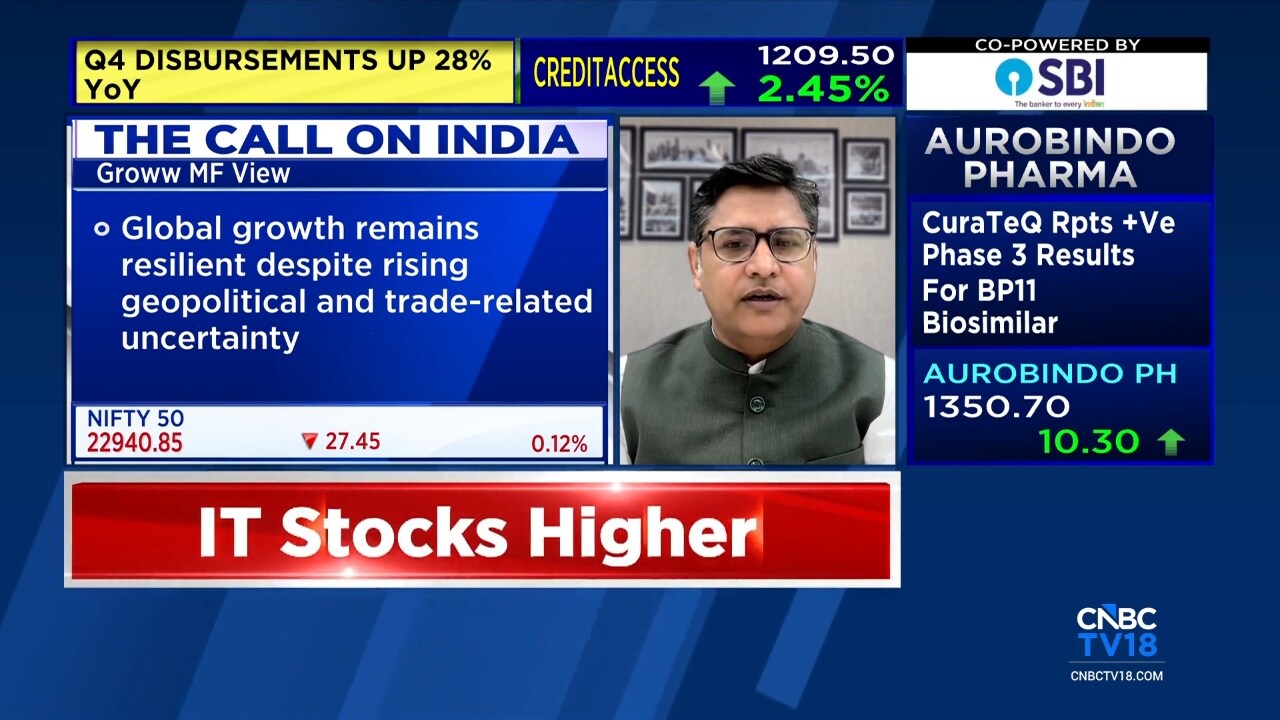
Correction in NBFCs, IT and realty offers entry as earnings stay steady: Anupam Tiwari
Anupam Tiwari, Head of Equity at Groww Mutual Fund, expects a strong current quarter with limited impact from oil shocks so far, but flags risks from the next quarter onward. He remains positive on premium consumption, NBFCs, manufacturing exports and capex, while adding IT and premium real estate after corrections. He believes market fears may be overstated, with much of the downside already priced in.

Nifty gave zero return to FIIs in 4.5 years. Can India win back fleeing foreign investors?
Foreign investors have experienced no returns in Indian stocks for four and a half years. A combination of war, currency weakness, and oil price shocks has led to record outflows. Global brokerages are downgrading India's outlook. However, some see current low valuations as a potential turning point for foreign inflows.
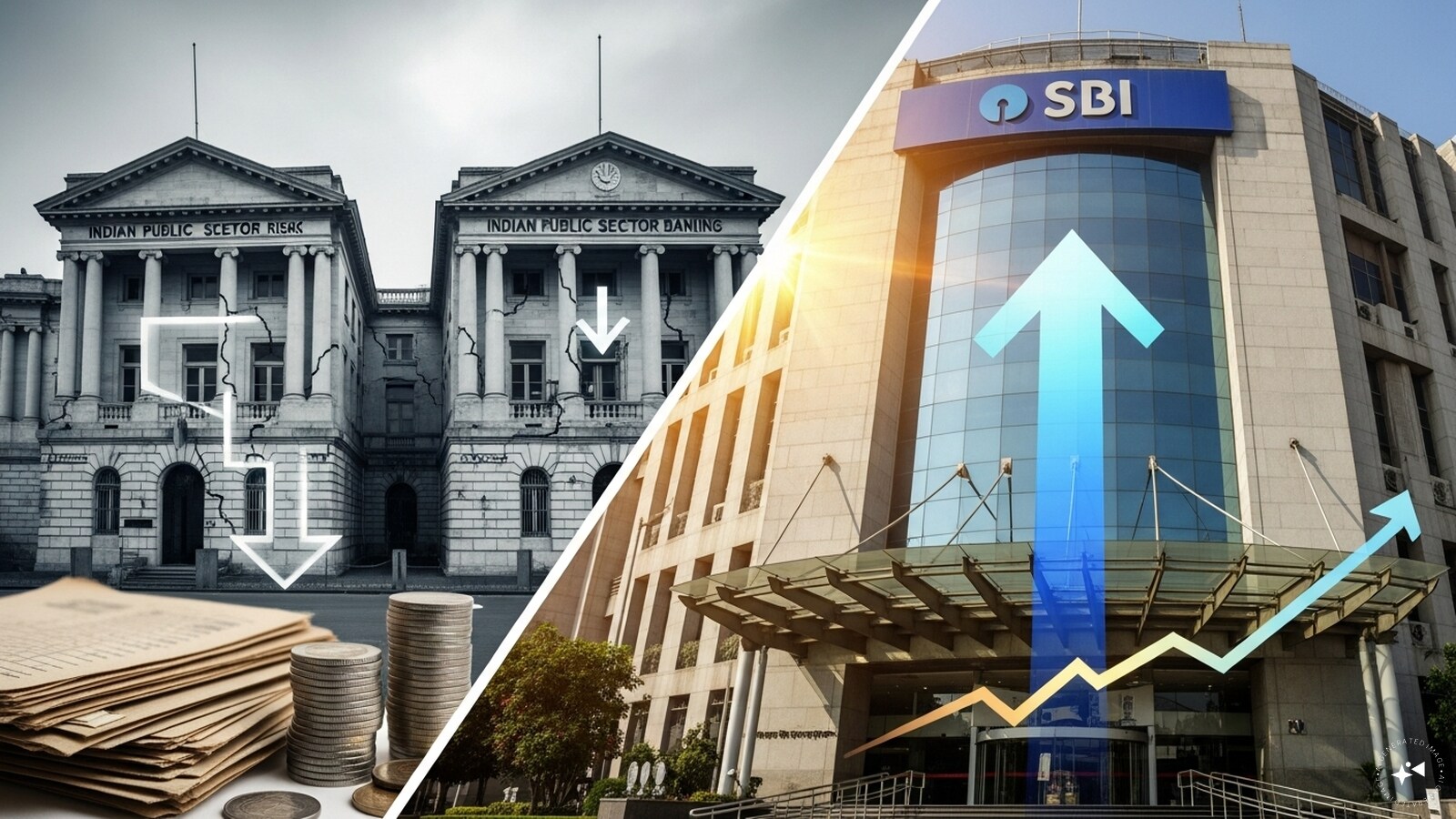
BoFA downgrades these two PSU Banks on asset quality risks; SBI upgraded
BofA said the recent correction in banking stocks appears overdone, with value emerging, particularly in large banks. It has turned more constructive on the segment, citing the current macro outlook and attractive valuations.

Buy the Giants, Avoid the Rest? BoFA bets on two large banks, downgrades popular smaller ones
HDFC Bank's revised price target implies an upside potential of 24% from current levels, while for ICICI Bank, the revised price target indicates a 22% potential upside.

‘History has arrived…': Robert Kiyosaki warns 1974’s financial reset will haunt 2026
Robert Kiyosaki links current economic fears to two significant events from 1974, arguing that they have led to instability in financial systems, impacting ordinary savers. He warns of rising costs and retirement insecurity.