Market News
Stay updated with the latest market trends, earnings, and economic indicators.
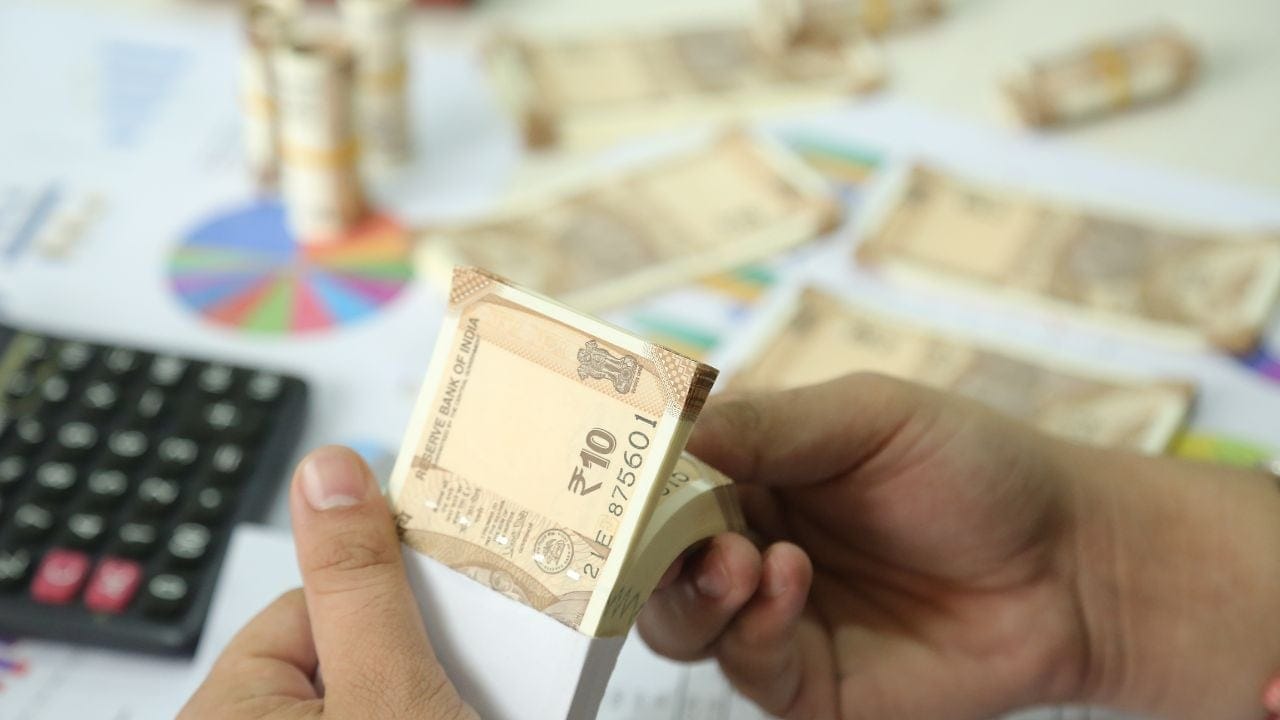
Rupee edges higher against US dollar, but oil prices and outflow fears weigh
Indian rupee opens stronger at 94.97 against US dollar, defies pressure from rising Brent crude prices, RBI support and FPI flows in focus.
Dollar index surges back near 99.50 amid fresh strikes between US and Iran
The dollar index surged back overnight and extends upside on Thursday morning in Asia amid signs of fresh strikes between US and Iran. The exchange of attacks between the US and Iran has significantly dented optimism towards a permanent peace deal. The resumed military strikes has also resulted in an increase in oil prices, that could boost inflation expectations further move towards a hawkish Federal Reserve stance. The dollar index that measures the greenback against a basket of currencies is quoting at 99.50, up 0.35% on the day. Investors will now focus on the US Personal Consumption Expenditure Price Index (PCE) data for April, which will be published later today, for further cues.

Rupee Ends Flat At 95.68 Against Dollar Amid US-Iran Tensions, RBI Policy Focus
At the end of Wednesday's close, the rupee was quoted at 95.68, down 2 paise from its previous closing.
DXY holds around 99 mark; US PCE inflation data in focus
The dollar index is holding around 99 mark but broad momentum stays downbeat as optimism grows over a possible peace deal between US and Iran. However, renewed tensions and ongoing uncertainty around the strategic Strait of Hormuz is likely to keep DXY supported. US military reportedly confirmed it launched self-defense strikes in southern Iran, while Irans Revolutionary Guard claimed it targeted an American F-35 fighter jet and several drones that had allegedly violated Iranian airspace. Off late, Middle East tensions had driven a safe-haven flight to the US Dollar while simultaneously spiking oil prices, which fuels sticky US inflation and forces the Federal Reserve to delay rate cuts. Investor now shift focus towards upcoming PCE inflation data for further clues on the Feds future policy direction. The dollar index that measures the greenback against a basket of currencies is quoting at 98.99, down 0.12% on the day.
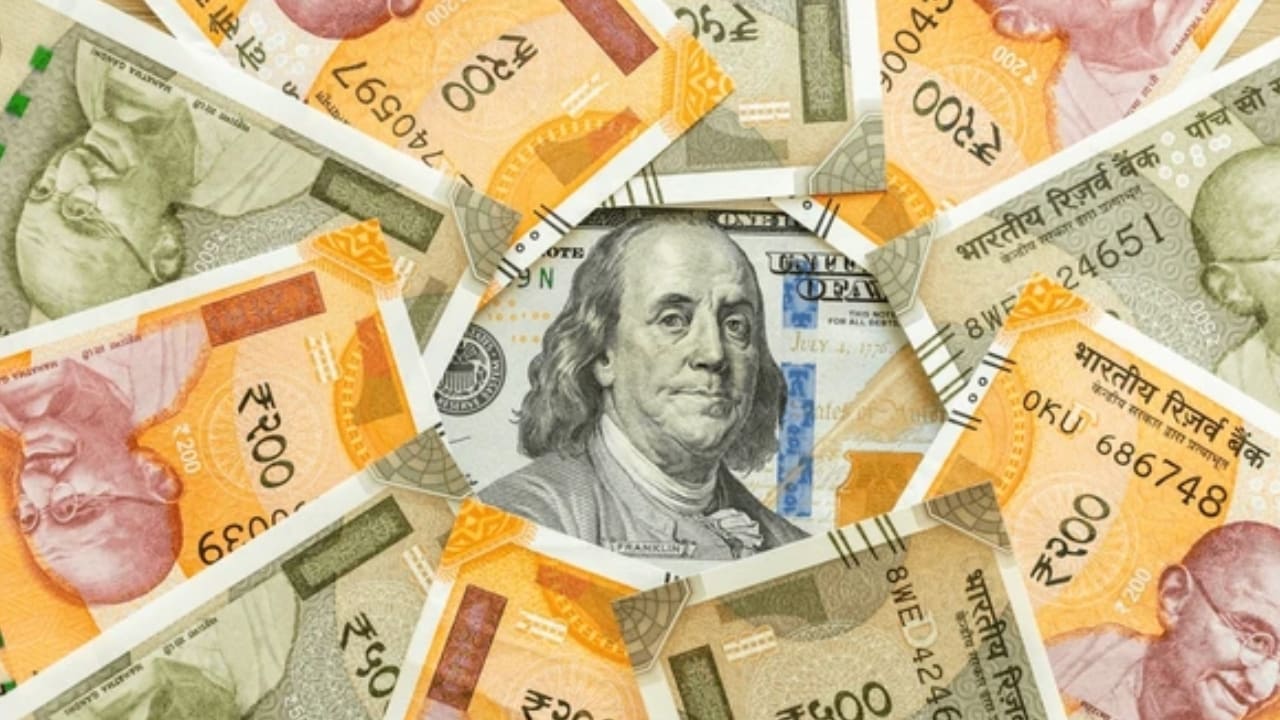
Rupee declines 15 paise against dollar on geopolitical worries, month-end flows
Indian rupee opens weaker at 95.38 against US dollar, hit by West Asia tensions, higher crude prices, RBI stance and inflation worries in focus.
Dollar index stays firm around a six week high
The dollar index stays firmly above 99 mark on Friday, amid growing uncertainty surrounding a deal between US and Iran. Elevated crude oil prices and ensuing higher inflation and interest rate scenario is keeping the dollar index afloat. The US Dollar Index, an index of the value of the US Dollar measured against a basket of six world currencies, currently trades near 99.25, a six week high. Data released by the US Department of Labor on Thursday showed that the number of Americans filing claims for unemployment benefits fell last week, indicating labor market resilience and providing the Federal Reserve (Fed) with room to focus on rising inflation.
INR rebounds well from historic lows as oil retreats from elevated levels; geopolitical risk and oil price sensitivity to cap upside
The Indian rupee rebounded 49 paise from its all-time closing low to settle at 96.37 against the US dollar on Thursday after crude oil prices retreated from elevated levels amid signs of easing geopolitical friction, alongside likely central bank intervention. Rupee had gained after the recent geopolitical developments, but investors are still gauging the geopolitical risk and oil price sensitivity in the background. The one-year forward market rate for the rupee touched the crucial 100/USD mark on Wednesday, indicating that currency markets are pricing in a weakening bias for the USD/INR pair over the next 12 months. Meanwhile, The Nifty 50 settled at 23,654.70 (down 4.30 points or 0.02%), while the BSE Sensex closed at 75,183.36 (down 135.03 points or 0.18%). The dollar index rose above 99.2 on Thursday, approaching again April-highs, as markets continued to track developments in the Middle East.

Rupee falls to all-time low of 96.91 against dollar on oil, US rate concerns
Indian rupee hits record low against US dollar, pressured by rising US Treasury yields, high crude oil prices and Iran conflict driven geopolitical tensions.

Rupee at all-time low: How a weak currency could impact your wallet
Indian rupee hits record lows against US dollar as crude oil tops 100, raising import costs, threatening higher prices for fuel, travel and goods, while exporters and remittance earners gain

Nifty Bank falls 500 points as PNB, Canara Bank, SBI, other stocks decline up to 3%. What lies ahead?
Indian bank stocks tumbled, dragging the Nifty Bank index down as a weakening rupee and rising global bond yields soured market sentiment. Several major banks saw significant declines, with analysts pointing to key technical levels. The rupee hit an all-time low against the dollar, exacerbating concerns for the financial sector.

Rupee falls to 96.17 against dollar for first time: What is driving the slide
Indian rupee hits all-time low against US dollar as surging crude oil prices, rising US Treasury yields and West Asia tensions fuel inflation and growth fears.
INR hits record low beyond 96 per dollar mark during intraday moves
The Indian rupee crashed below the 96/USD mark on Friday before closing at an all-time low of 95.86 (provisional) against the US dollar as elevated crude oil prices and inflation concerns added to the downside pressure on the rupee. Indian shares also reversed early gains to end modestly lower on Friday as Hormuz concerns persisted and the Trump-Xi summit yielded little progress on the war in Iran. The domestic currency has registered over 6 per cent losses so far this year, and in the past six trading sessions, it has depreciated nearly 2 per cent as Iran war risk escalation pushed crude oil prices higher. The dollar index moved northwards after strong US retail sales and stable labour market data reduced expectations of aggressive Federal Reserve rate cuts. Global uncertainties, relatively high valuations, and the lack of AI-led investment opportunities have weighed on capital flows.