Market News
Stay updated with the latest market trends, earnings, and economic indicators.
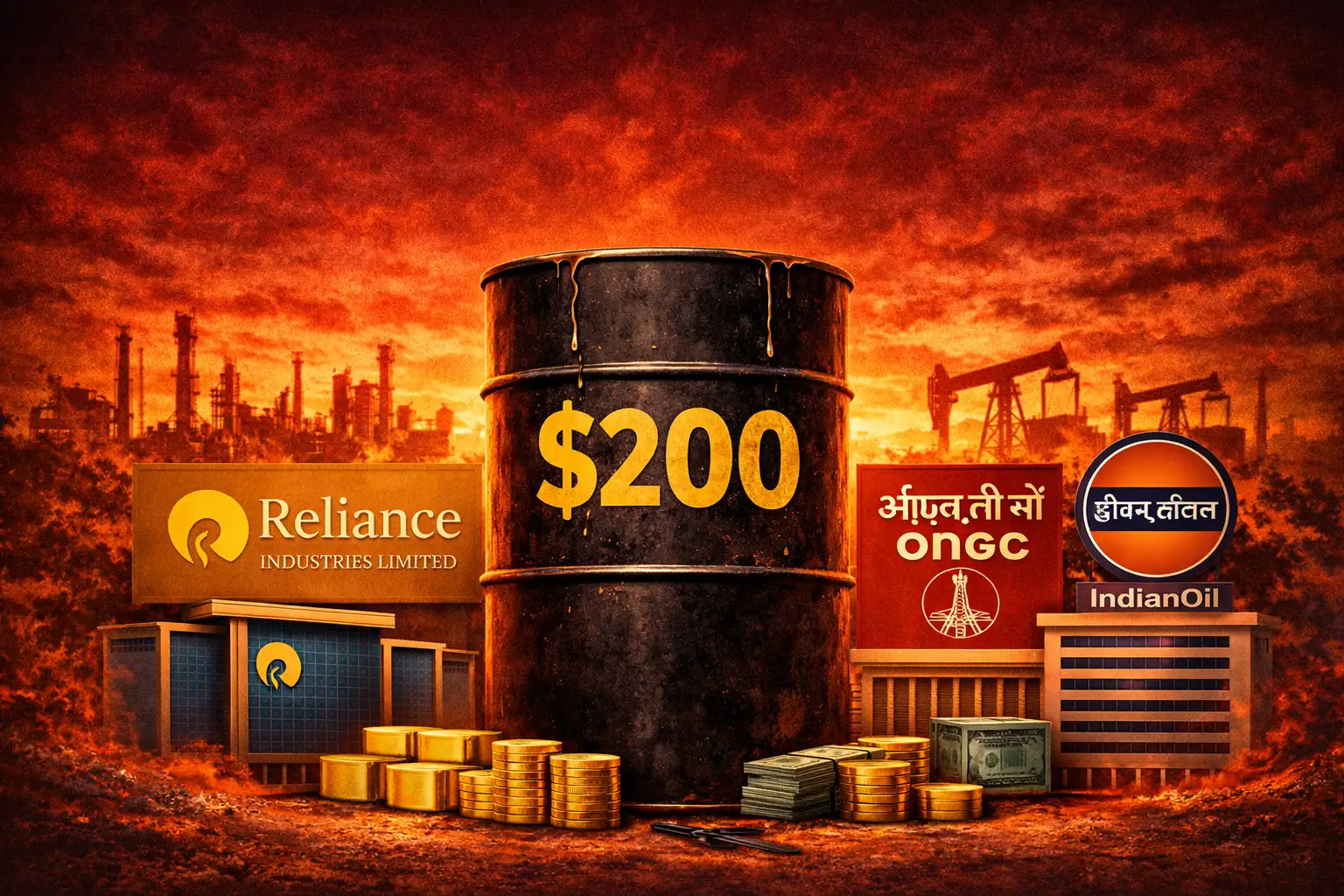
$200 crude oil scenario: How Reliance Industries, ONGC & OMCs stack up
Global oil prices are soaring, threatening India's import-reliant economy. A potential $200 per barrel scenario looms, impacting refiners and oil marketing companies severely. While Reliance Industries shows resilience, upstream players like ONGC face price caps. Gas companies grapple with supply route disruptions, potentially affecting industrial users and CNG availability.
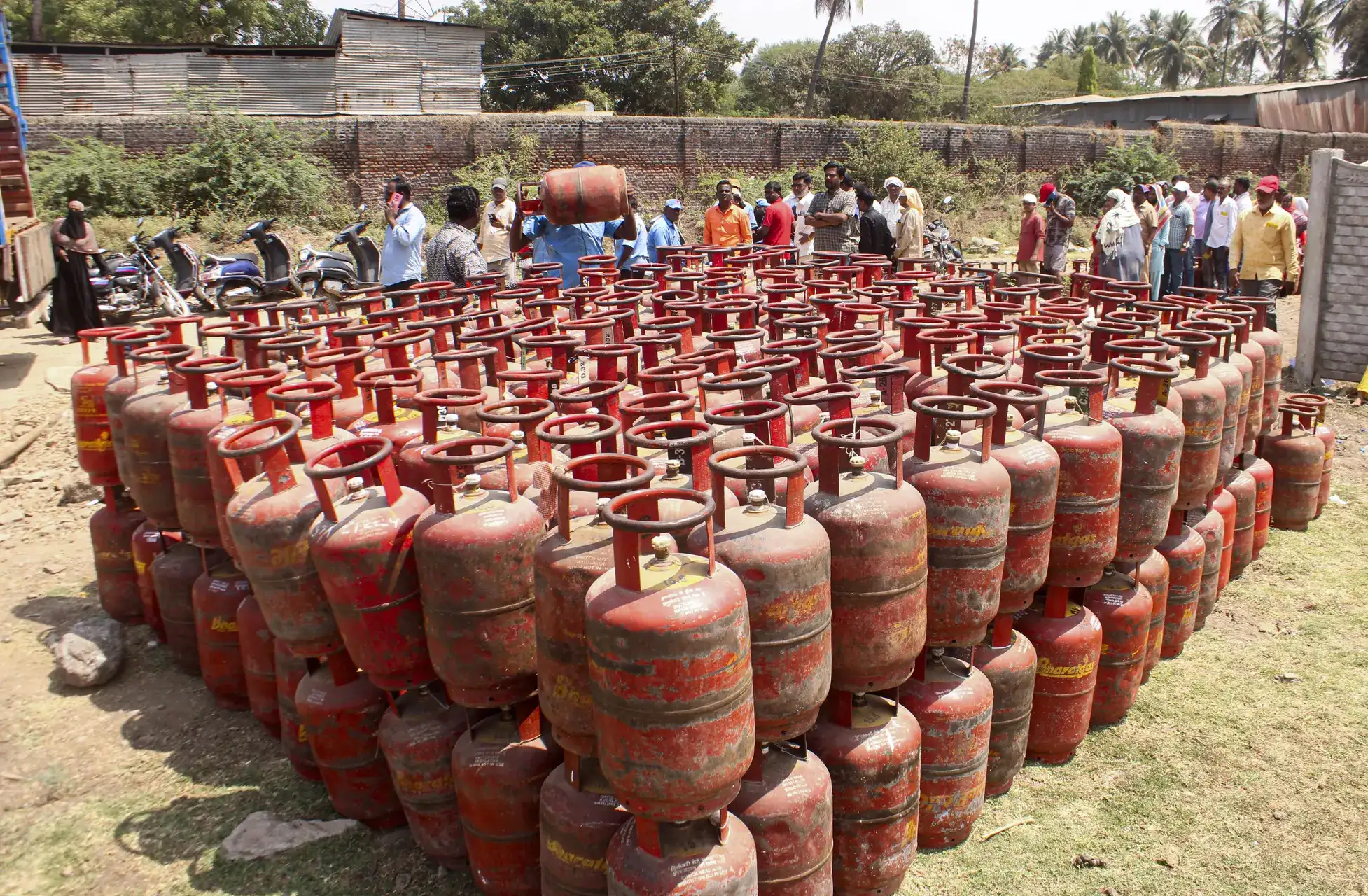
Daily domestic LPG output raised by 25%: Petroleum ministry official
India's cooking gas production has risen 25 percent. Refineries are maximizing output to counter supply halts from the Gulf. This boost helps fill a gap caused by the Iran war impacting imports. Households are advised against panic booking. India's crude oil supply remains secure. Additional crude and LNG cargoes are en route to India.
INR crashes to fresh record low as oil surges past $100 mark amid Middle East tensions
The Indian rupee crashed to its all-time closing low of 92.35 (provisional) against the US dollar on Monday, losing 53 paise during the session, as global crude oil prices saw a sharp spike, and the greenback strengthened amid worsening conflict in the Middle East. Withdrawal of foreign funds amid intense selling in domestic equity markets further pressured the rupee. Indian shares slumped on Monday as the Iran-Israel-U.S. war entered its 10th day and the Strait of Hormuz, a critical trade route, remained shut for the sixth consecutive day. The benchmark BSE Sensex ended down 1,352.74 points, or 1.71 percent, at 77,566.16 after hitting a low of 76,424.55 earlier. The broader NSE Nifty index hit an intraday low of 23,697.80 before recovering some lost ground to close down 422.40 points, or 1.73 percent, at 24,028.05. At the interbank foreign exchange, the rupee opened at 92.22 and rose briefly to 92.15 but kept losing ground through the session before eventually settling at its ...

Explained | US-Iran war and the most impacted chemical stocks due to it
The Iran-Israel-US war has entered its 10th day and the Strait of Hormuz, a critical trade route, remains shut for the sixth consecutive day. This has resulted in a surge in oil prices and a sell-off across global markets. As tensions in the Middle East continue to escalate, trade is disrupted, and chemical stocks are in focus as they declined up to 4% on Monday. Here's a roundup of the chemical firms and the impact they may see due to the ongoing conflict, according to brokerage firm IIFL.
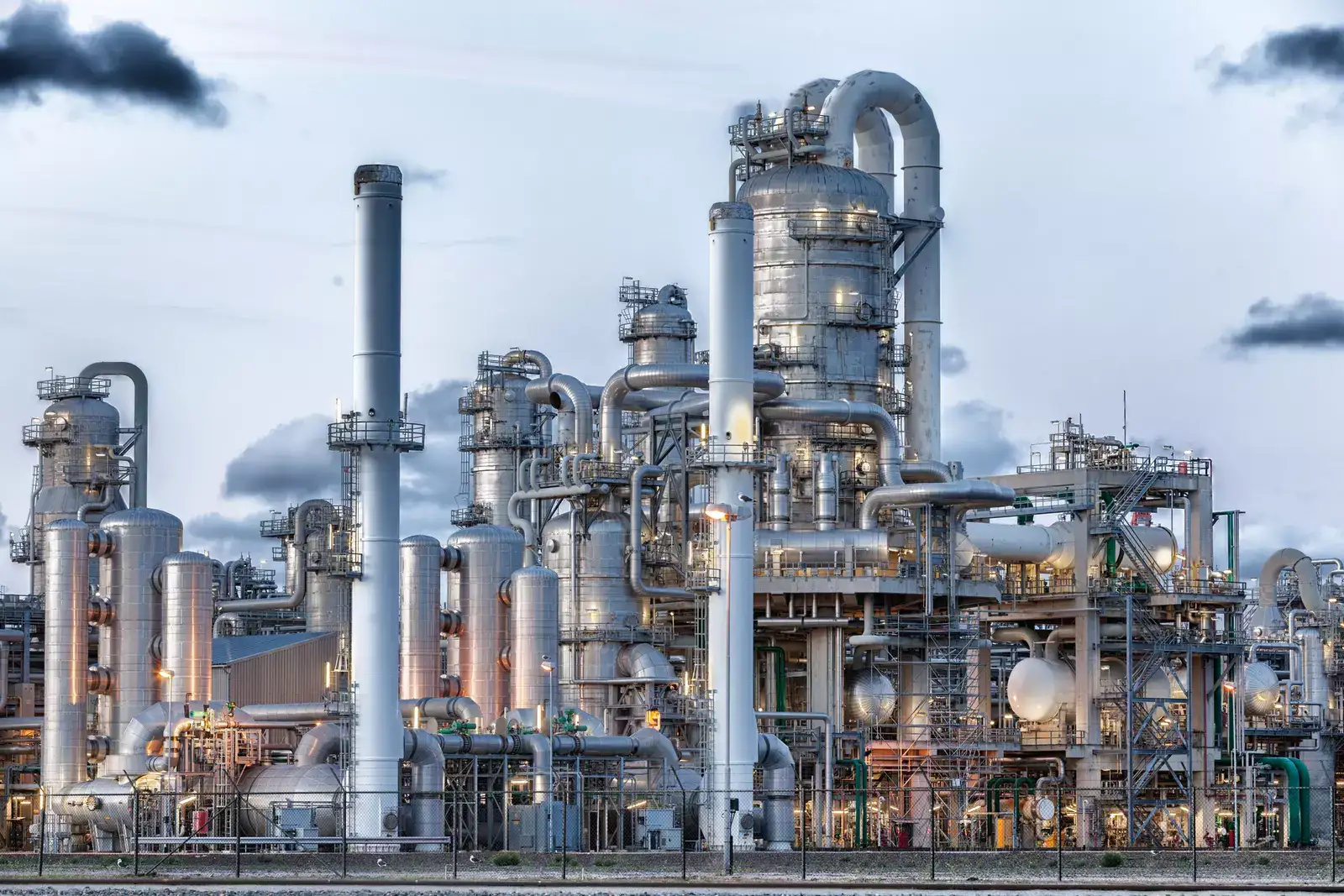
GAIL, Petronet LNG, other gas stocks in focus amid rising expectations of prolonged Iran-Israel war
Gas stocks such as GAIL and Petronet LNG may remain in focus as the Iran-Israel conflict raises fears of prolonged disruption in the Strait of Hormuz, a key route for global energy shipments. Concerns over LNG and LPG supply risks, along with geopolitical tensions, have already weighed on several gas stocks in recent sessions.

L&T shares crash 7% as escalating Israel-Iran war spooks investors
Larsen & Toubro shares plunged over 7% amid escalating Middle East conflict, raising investor concerns about project disruptions. The region accounts for a significant portion of L&T's order book. With tanker traffic halted through the Strait of Hormuz, a crucial oil route, further impact on project execution and investor sentiment is anticipated.
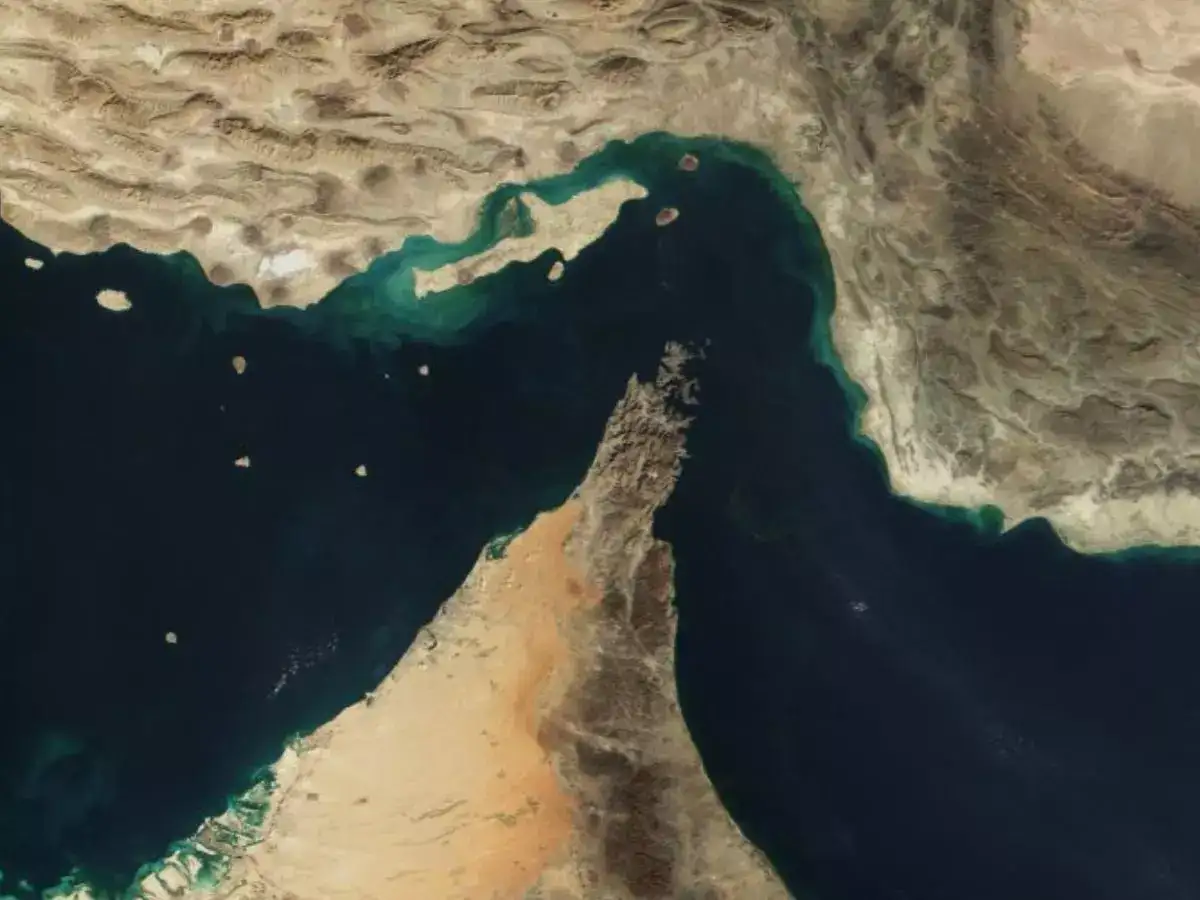
Strait of Hormuz on edge due to Iran-Israel war? Iran’s leverage is a cautious tale for India
Escalating Israel-Iran conflict pushes Middle East towards renewed confrontation, impacting global energy supplies. India faces a critical challenge due to its energy dependence on the region and the vital Strait of Hormuz, a key oil transit route.

India’s Saudi oil buy to hit six-year high as Washington curbs Russia route
India is poised to significantly boost crude oil imports from Saudi Arabia this month, reaching levels not seen in over six years. This shift comes amid mounting US pressure on India to curb its purchases of Russian oil. While Russia may still remain the top supplier, the gap is narrowing considerably, signaling a strategic realignment in India's energy sourcing.