Market News
Stay updated with the latest market trends, earnings, and economic indicators.
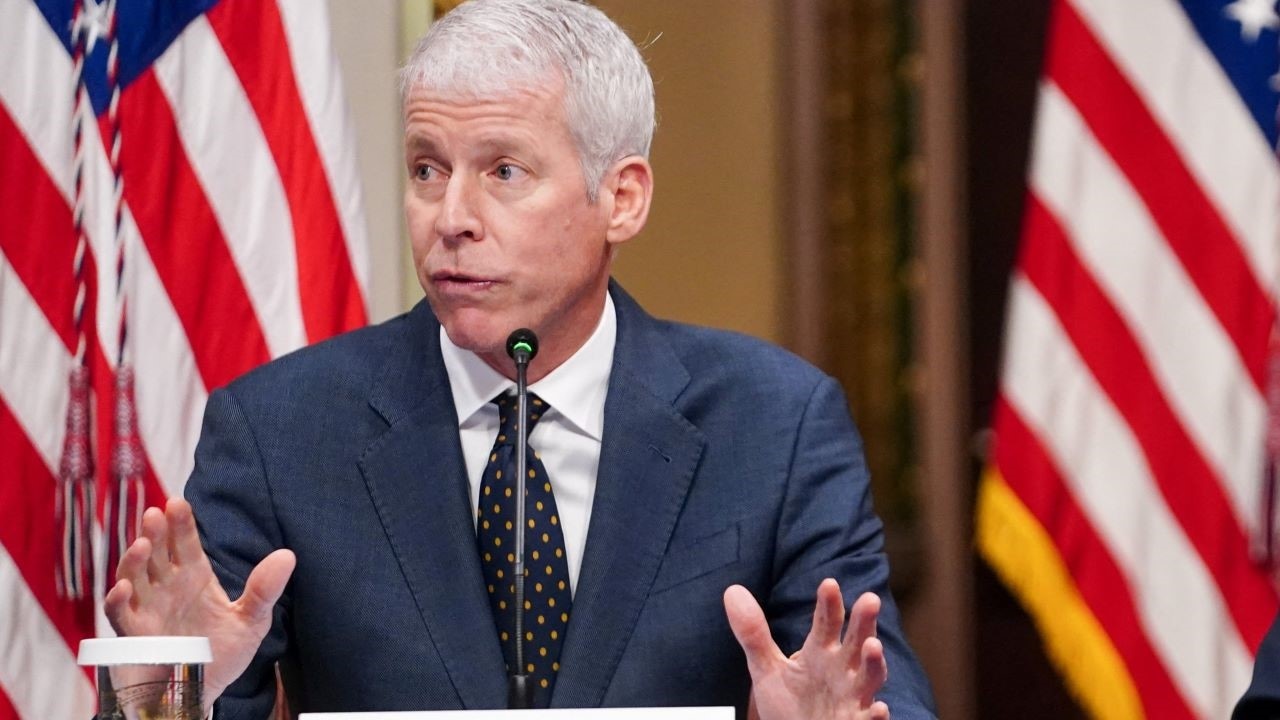
Russia oil waiver via India a temporary step to keep prices down, says American Energy Secy
Wright further asserts that record-breaking US oil and gas production has kept current fuel prices significantly lower than the previous administration’s peak.

Asian stocks head for worst week in six years as West Asia conflict escalates
Higher oil prices have also revived concerns about inflation and monetary policy. Treasury yields rose during the previous US session as investors weighed the possibility that persistent energy price pressures could complicate the Federal Reserve’s rate-cut path.

US stocks slip as oil nears mid-$80s amid escalating West Asia war
Market movements continued to track oil prices. Investors are concerned that a sustained rise in energy costs could strain household spending, weigh on global economic growth and add pressure on interest rates.
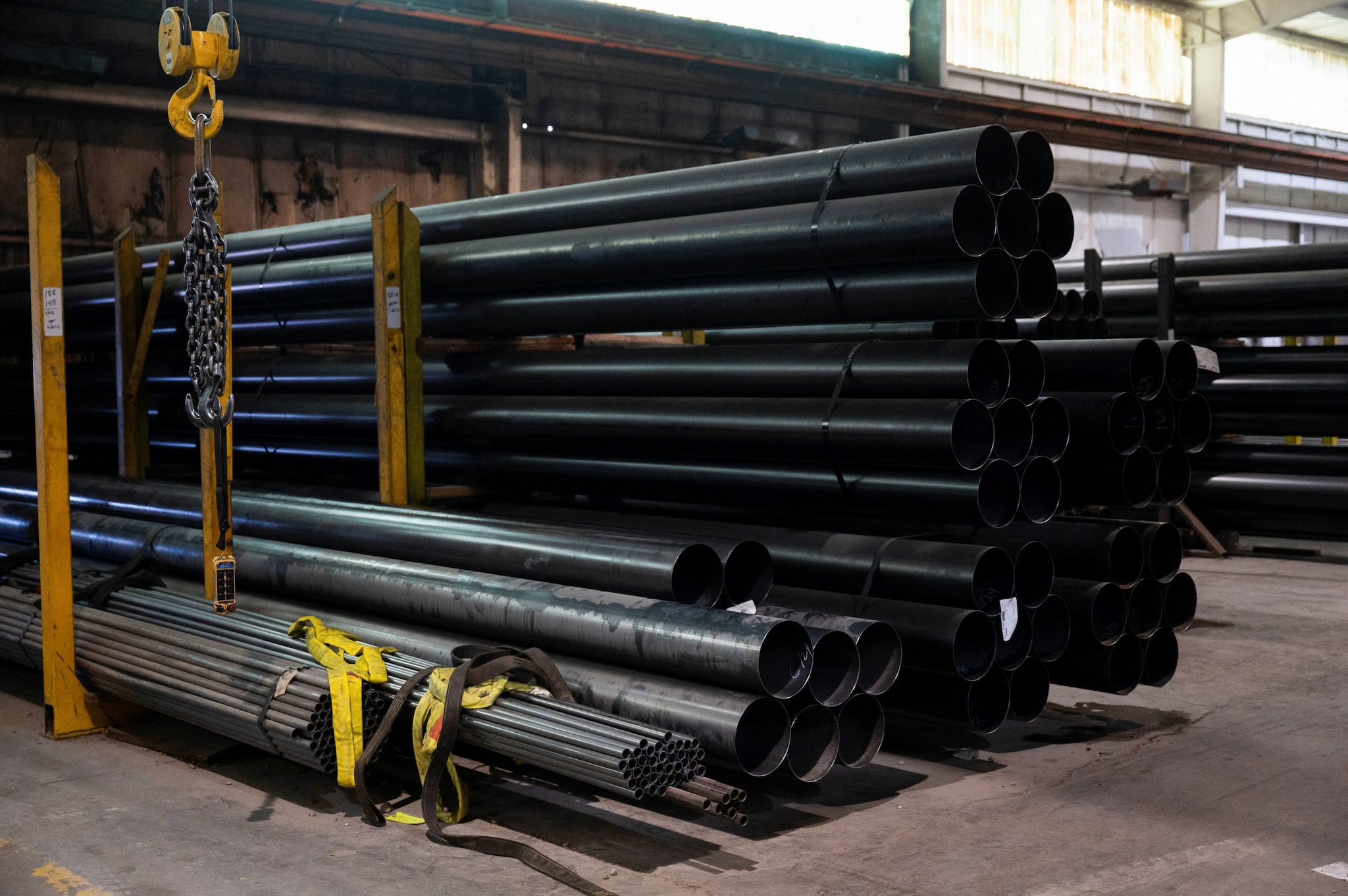
Steel player BMW Inds partners with IOC for PNG supply at Bokaro facility
Under the partnership, IOC will supply PNG to the plant, enabling Kolkata-headquartered BMW Industries to transition towards cleaner energy sources and improve operational efficiency while reducing the carbon footprint of its manufacturing processes. Shares of BMW Industries ended 2.6% lower at ₹33.46 on the BSE today, March 5.
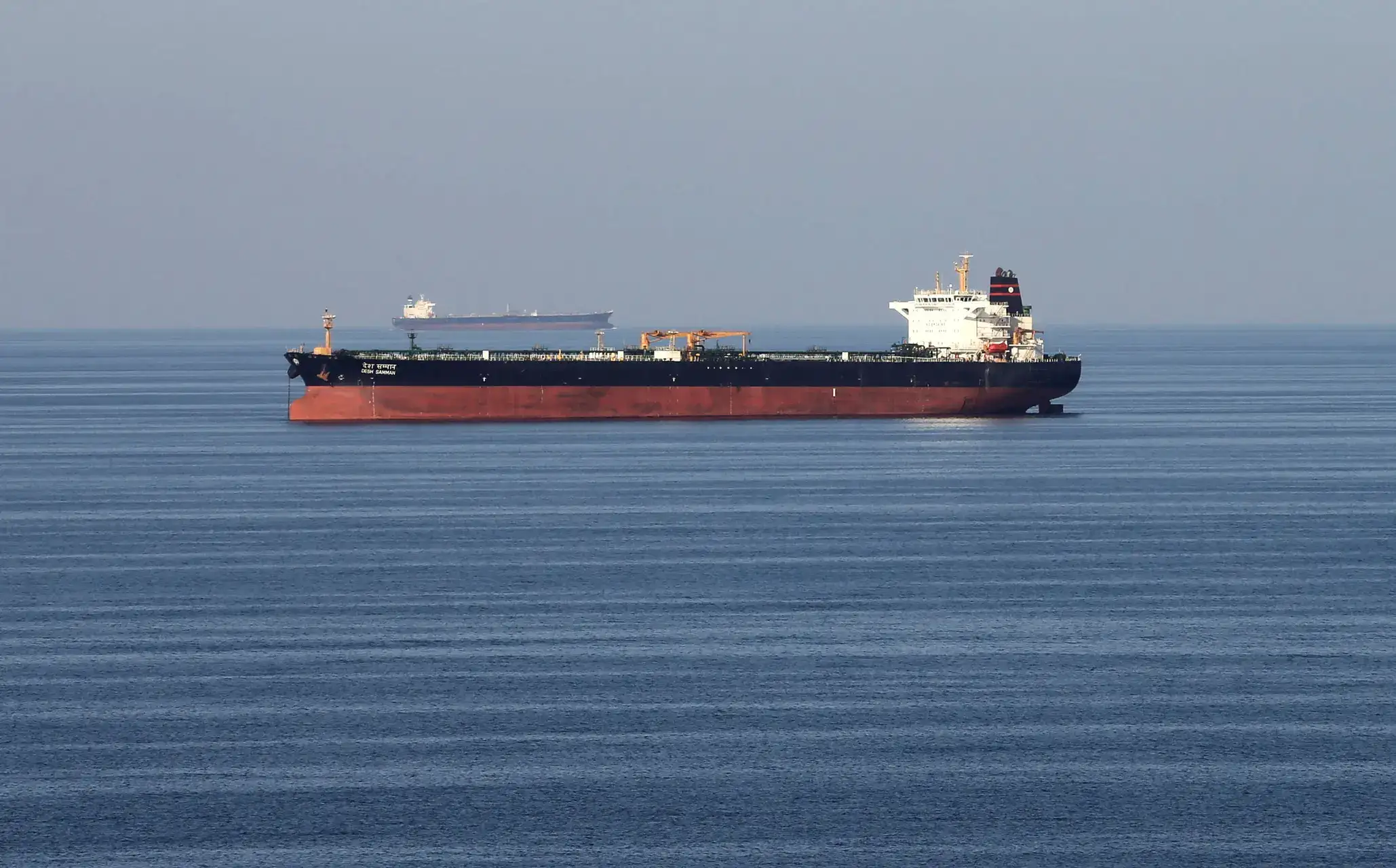
Hormuz shutdown worsens after US hits Iranian warship; tankers stranded for fifth day
The U.S. submarine strike on the Iranian vessel came as U.S. President Donald Trump pledged to provide insurance and navy escorts to ships exporting oil and gas from the Middle East in a bid to contain soaring energy prices. At least 200 ships, including oil and liquefied natural gas tankers as well as cargo ships, remained at anchor in open waters off the coast of major Gulf producers including Iraq, Saudi Arabia and Qatar, according to Reuters estimates based on ship-tracking data from the MarineTraffic platform.
Indices slide sharply amid Iran war jitters and crude price spike
The domestic equity benchmarks ended sharply lower on Wednesday as investors turned risk-averse amid escalating geopolitical tensions and a sharp surge in crude oil prices. The ongoing conflict involving the United States, Israel and Iran unsettled global markets, while the reported closure of the Strait of Hormuz pushed oil prices higher, raising concerns over inflation and energy costs. Sentiment was further dented by heavy selling from foreign institutional investors and the rupee slipping to a record low. Against this backdrop, the Nifty closed below the 24,500 mark. Barring the Nifty IT index, all other sectoral indices on the NSE ended in the red, with metal, PSU bank and oil & gas stocks leading the decline.

Gainers & Losers: Indigo, Paras Defence among 7 big movers on Wednesday
Indian markets tumbled as the Iran-Israel war escalated, dragging energy stocks lower. Nifty and Sensex fell sharply, while select stocks like Coal India and Bajaj Hindusthan Sugar bucked the trend.
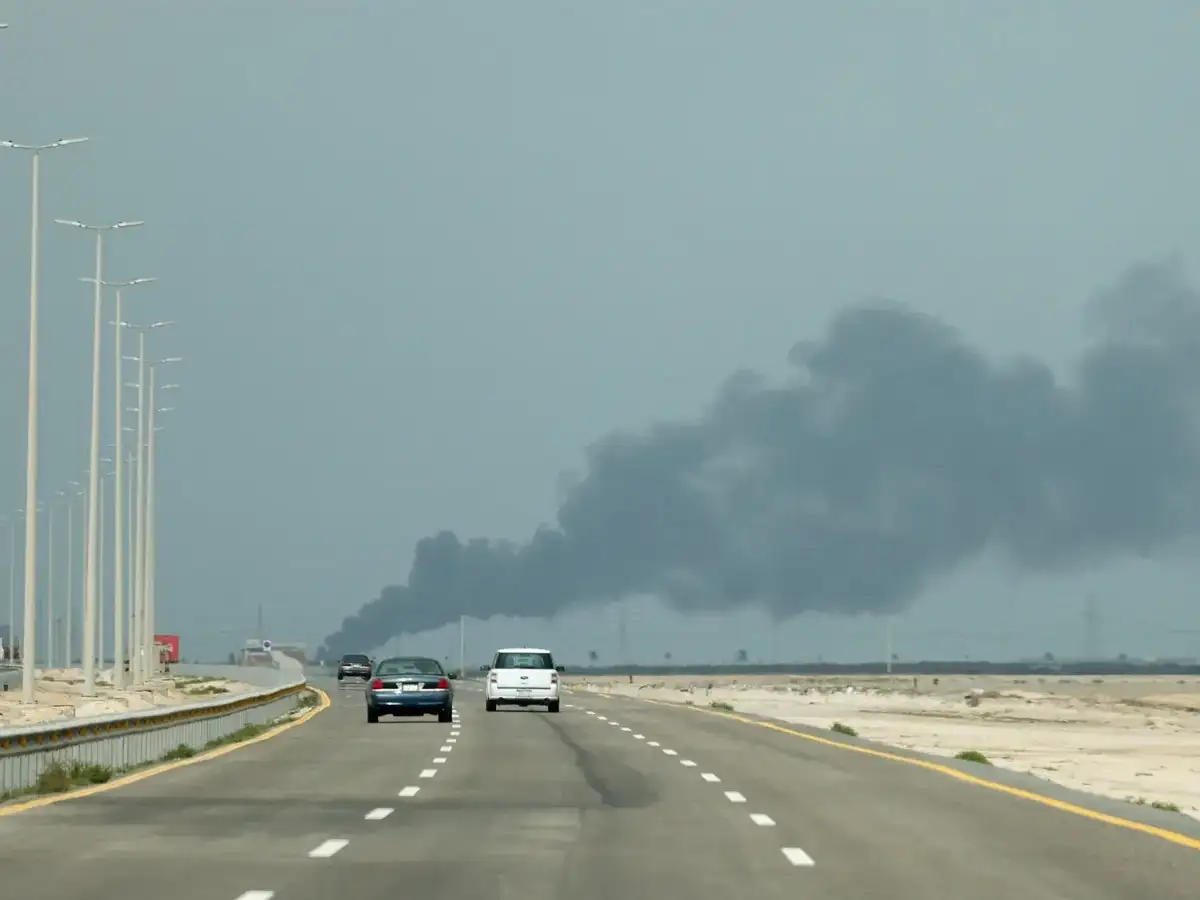
Ras Tanura hit again as projectile strikes Saudi Aramco facility
Saudi Arabia's vital oil export terminal at Ras Tanura has been hit by an unidentified projectile. This is the second such incident in days. The facility is crucial for global energy supplies. The attacks raise concerns over regional security and oil shipments. Ras Tanura's strategic location near the Strait of Hormuz amplifies these worries. Operations and damage extent remain unclear.
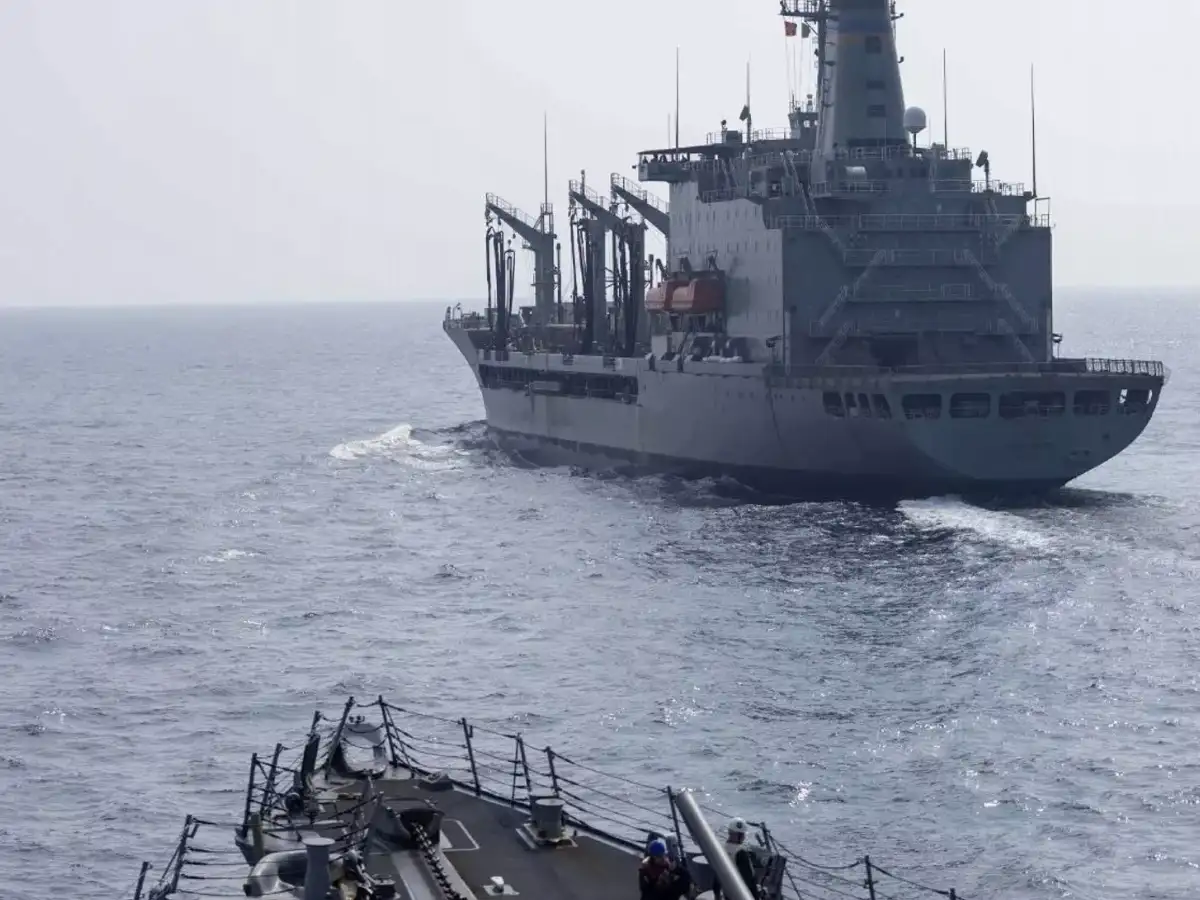
Qatar halts LNG output after attacks; disruptions to hit Indian supplies, city gas firms flag concerns
Qatar has stopped liquefied natural gas production following attacks. This halts supplies to India, affecting industrial consumers and city gas companies. Petronet LNG cannot send ships through the Strait of Hormuz. This disruption impacts India's energy needs and domestic sectors. Companies are seeking clarity on future gas availability.
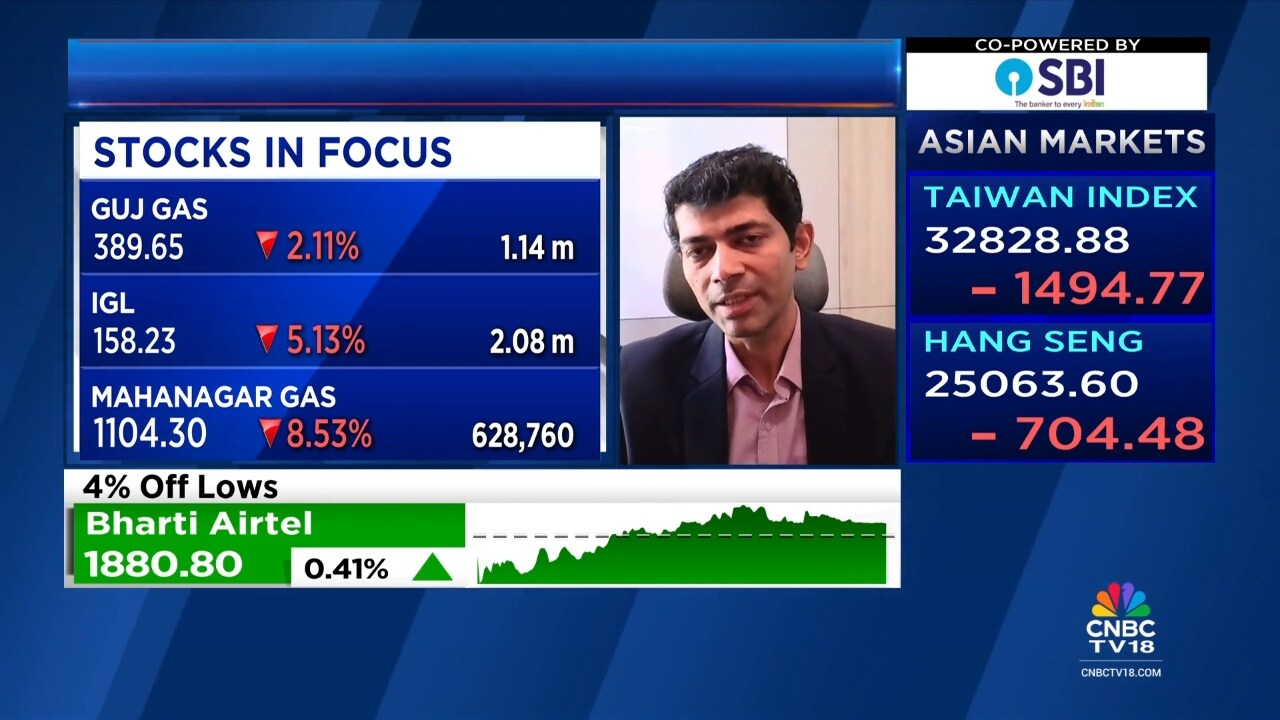
Energy Outlook | Gas prices nearly double amid West Asia tensions, says Crisil
Crisil Intelligence’s Director Sehul Bhatt says Middle East tensions pose a bigger risk to gas than oil as India has lower gas inventories and relies heavily on imports. With about 50% of gas imported—around 40% from Qatar—any disruption can tighten supply. Spot LNG prices have already surged to nearly 1.9–2 times pre-conflict levels, hurting industrial and commercial consumers the most. Bhatt adds industries may switch to alternate fuels like fuel oil or LPG if gas prices remain elevated.
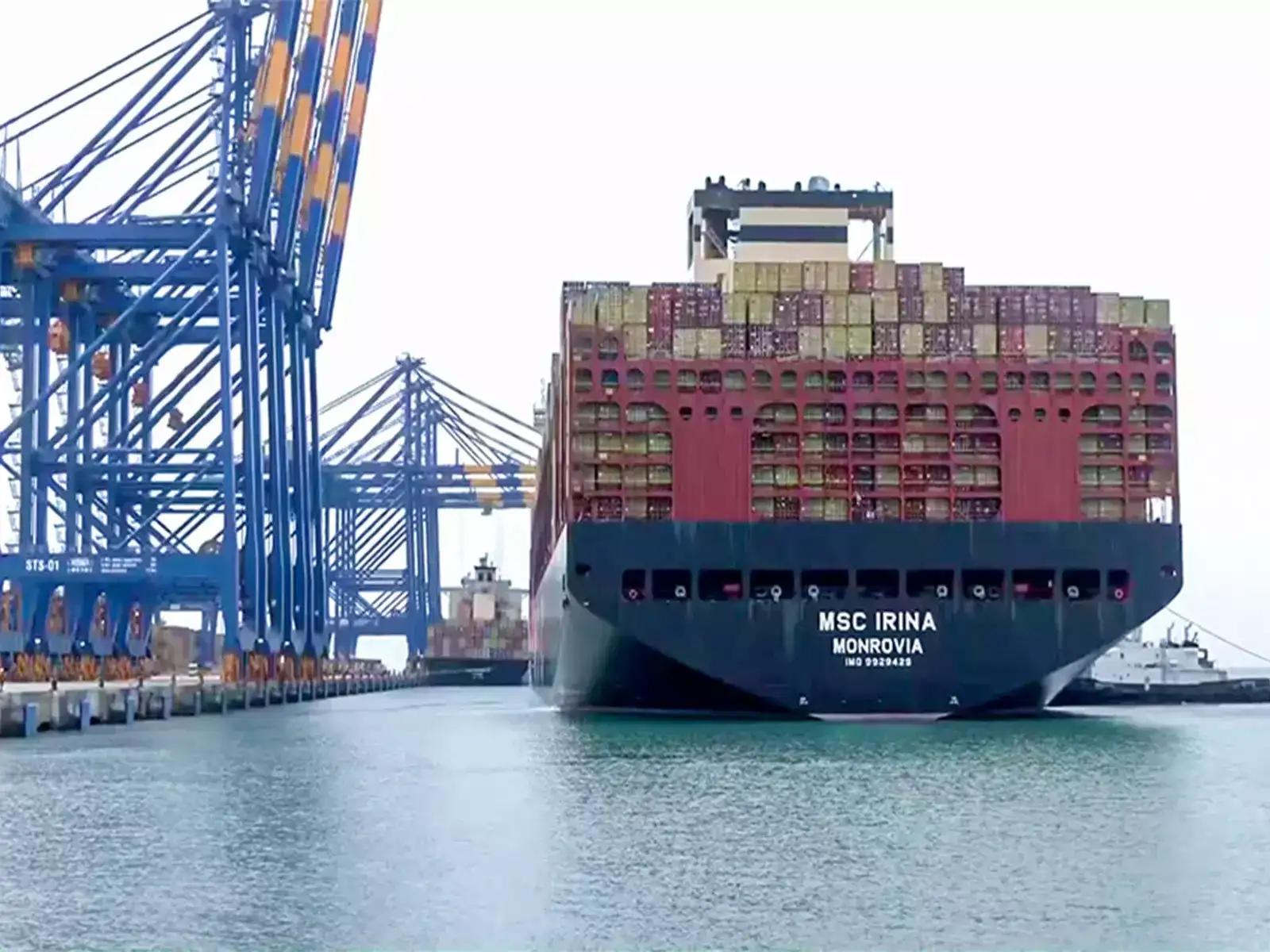
Asia most vulnerable to oil price rise, prolonged West Asia conflict to influence region's macro outlook: Invesco report
Iran war: Asia faces significant risks from rising oil prices. Its heavy reliance on imported energy makes it vulnerable. Prolonged geopolitical shocks disrupting Gulf exports could impact the region's economy. Sustained higher oil prices would negatively affect stocks. Countries like Thailand, India, Korea, and the Philippines are most at risk. Malaysia, an energy exporter, could benefit.
Oil shock from Iran war raises risks for India’s stock market; here’s how
Escalating Middle East tensions are pushing oil prices higher, significantly impacting India's beaten-up equities and widening their underperformance against global peers. Analysts warn of further downside for Indian assets due to the country's heavy reliance on imported energy, potentially driving inflation and weakening the economy and currency.