Market News
Stay updated with the latest market trends, earnings, and economic indicators.
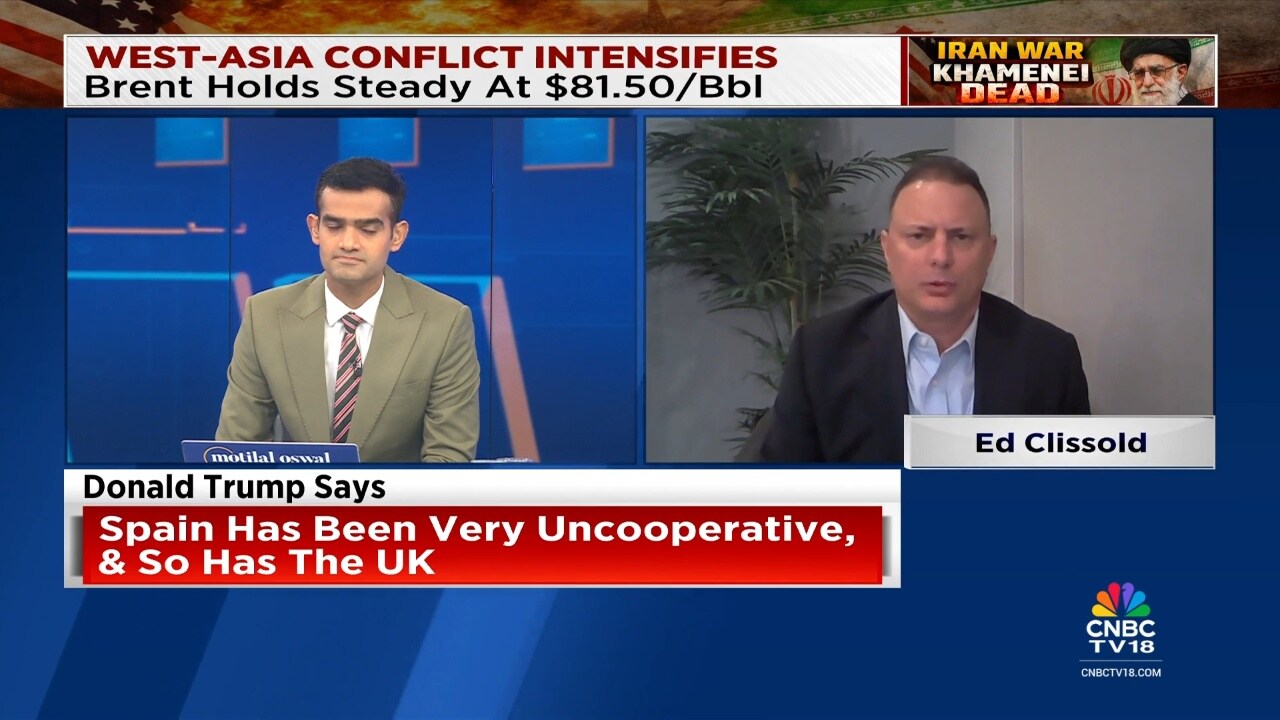
Global Outlook | Volatility may persist as geopolitical tensions escalate, says Ed Clissold
Ed Clissold, Chief US Strategist at Ned Davis Research, says escalating geopolitical tensions could keep markets volatile in the near term as both sides remain entrenched. The US economy is relatively insulated due to lower energy dependence and easing inflation, allowing it to absorb higher oil prices. While emerging markets may face short-term pressure, Clissold says they could outperform the US over the medium term on attractive valuations.

ONGC, Oil India shares gain up to 2% as US, Israel attack on Iran lifts oil to over $80. What’s next for prices?
Middle East tensions are driving up crude oil prices, impacting Indian energy stocks like ONGC and Oil India. Escalating attacks and potential disruptions in the Strait of Hormuz could significantly boost oil prices, raising India's import bill and inflation risks. Analysts warn of substantial price hikes if the conflict widens.
Gujarat Gas shares plunge 4% after 50% supply cut to industrial users amid Middle East conflict: Report
Gujarat Gas has slashed industrial gas supplies by 50% due to disruptions linked to the US-Iran conflict impacting regasified LNG availability. The company declared a Force Majeure event, citing circumstances beyond its control, as Qatar Energy's LNG production halted. This development significantly affects Gujarat Gas, which relies heavily on imports, particularly from Qatar.
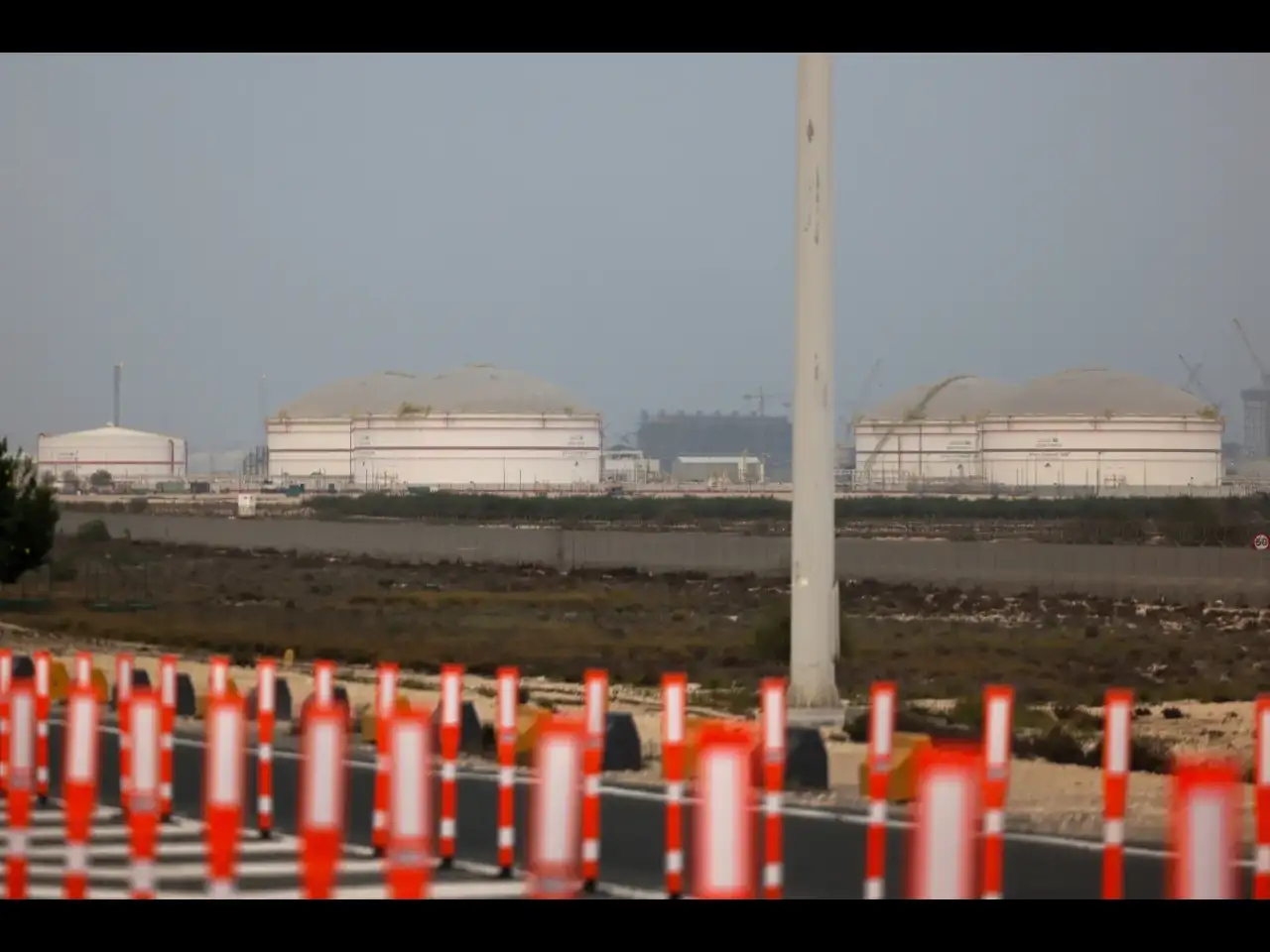
Industrial users stare at propane, natural gas shortage after Qatar halted production
Indian industries face potential propane and natural gas shortages. Qatar has halted liquefied natural gas production following a drone attack. This impacts industrial customers, though household piped natural gas supplies remain unaffected. Companies are monitoring the situation closely. Global energy prices and shipping costs are also rising.

ET Graphics: Oil’s not well with the world
India and other Asian nations face significant risks. Their reliance on West Asian oil and gas imports makes them vulnerable. A prolonged and intensifying conflict in the region could lead to supply disruptions. This situation also threatens price shocks for these economies. The current geopolitical climate demands attention to energy security.

'Could be largest oil supply disruption in history', S&P Global Energy warns on US-Iran war
S&P Global Energy says that markets with little or no inventories will face the brunt of the negative supply impact and in case there is a 7 million barrels per day loss in supply for many months, prices will indeed rise to $100 per barrel or even higher as supply is rationed while demand falls.

US stocks end choppy day on muted note as traders weigh war impact
US stocks closed flat as traders weighed Iran war risks, oil price spikes, and sector swings. S&P 500 gains in energy offset losses. Trump and Pete Hegseth addressed war duration concerns.
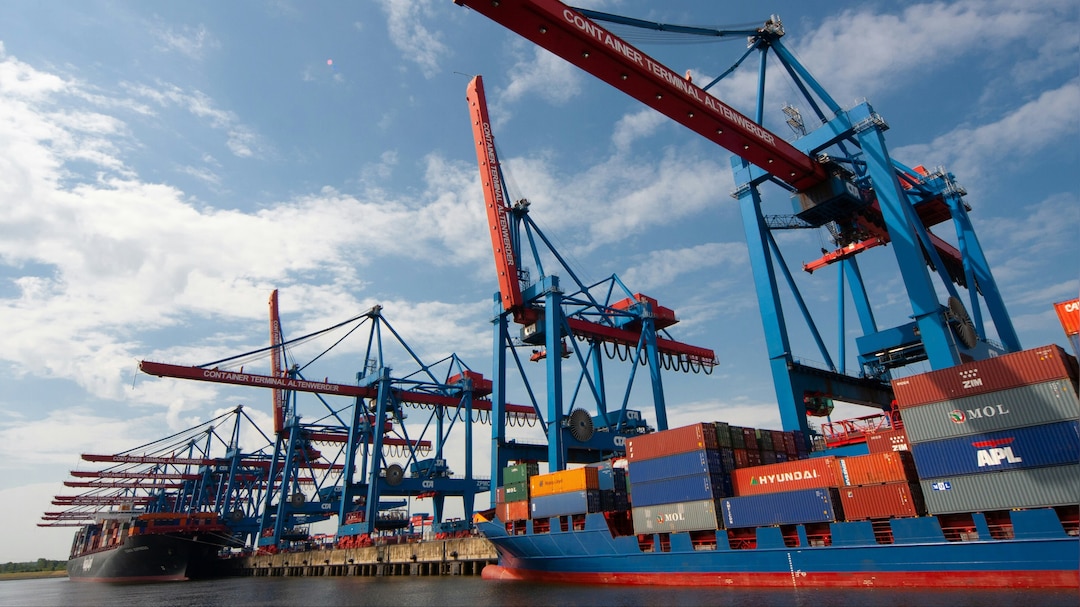
India's Edible Oil, Fertiliser Imports At Risk From US-Iran Conflict, Warns Industry
Rising crude oil prices could compound the pressure, given the linkage between energy costs, logistics and global biofuel markets.
Asian countries most at risk from oil & gas supply disruptions in Strait of Hormuz: Research group
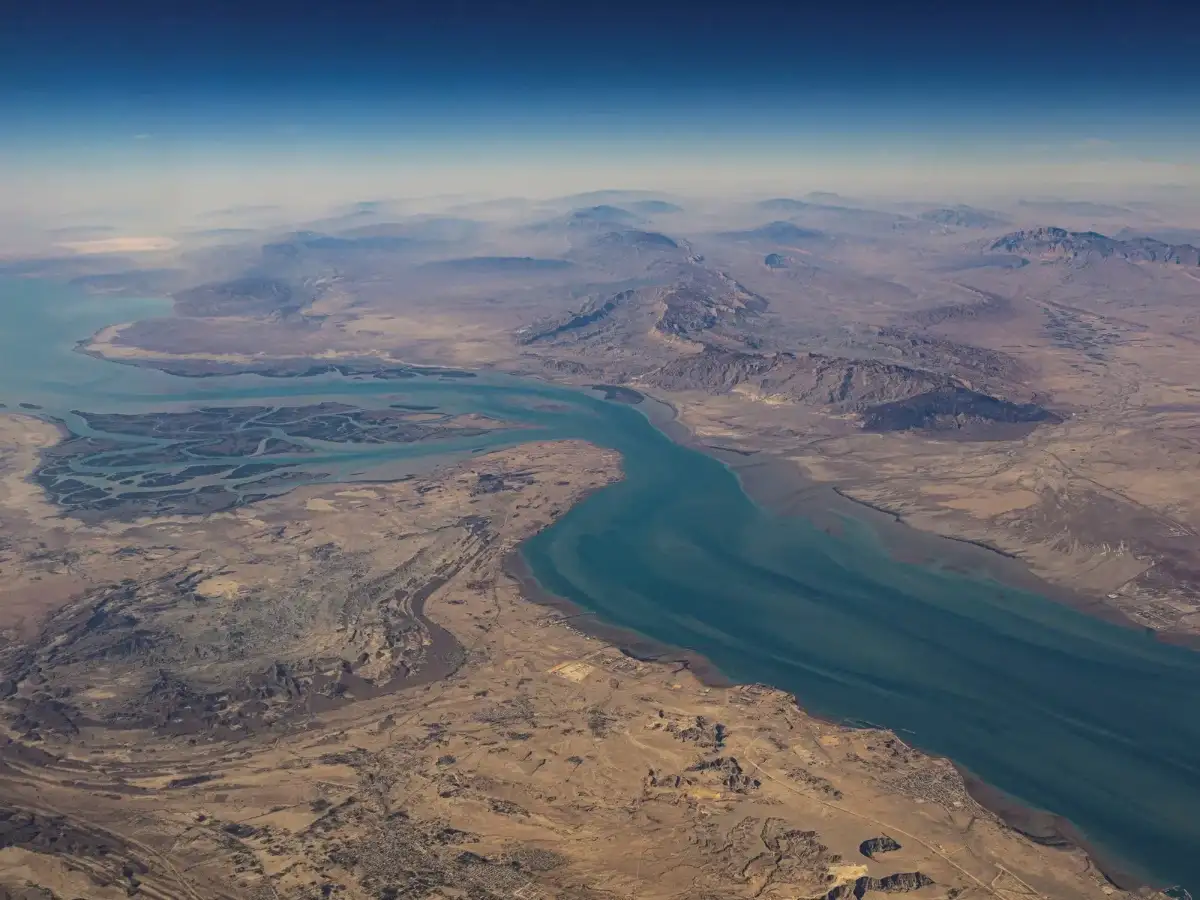
Asian nations are most vulnerable to oil and gas supply disruptions in the Strait of Hormuz. Japan faces the highest risk, followed by South Korea and India. Around 20 percent of global oil and LNG flows through this vital chokepoint. China and India are the largest destinations for these energy resources.

Indian govt assures fuel availability, affordability amid Iran-Israel tensions
The Ministry of Petroleum and Natural Gas reviewed crude and LPG supplies as Iran-Israel tensions pushed up global oil prices and raised concerns over energy security.
Sensex slumps over 1,000 pts; Nifty below 24,900 amid West Asia tensions
The key equity benchmarks closed sharply lower on Monday as investors adopted a cautious stance amid weak global cues. Sentiment remained under pressure due to escalating geopolitical tensions following the US-Israel attacks on Iran, which dampened risk appetite. From a market perspective, the primary concern remains the energy risk arising from the sharp surge in crude oil prices. Market participants also tracked movements in metal prices for further direction. The Nifty slipped below the 24,900 mark, weighed down by losses in auto, consumer durable and energy stocks.

European shares touch two-week lows on Middle East conflict
European markets tumbled Monday as Middle East tensions escalated, pushing energy and defense stocks higher. The STOXX 600 saw a significant drop, its lowest since mid-February. Airlines and banks bore the brunt of the sell-off, while oil prices and defense firms surged amid fears of wider conflict and increased military spending.