Market News
Stay updated with the latest market trends, earnings, and economic indicators.
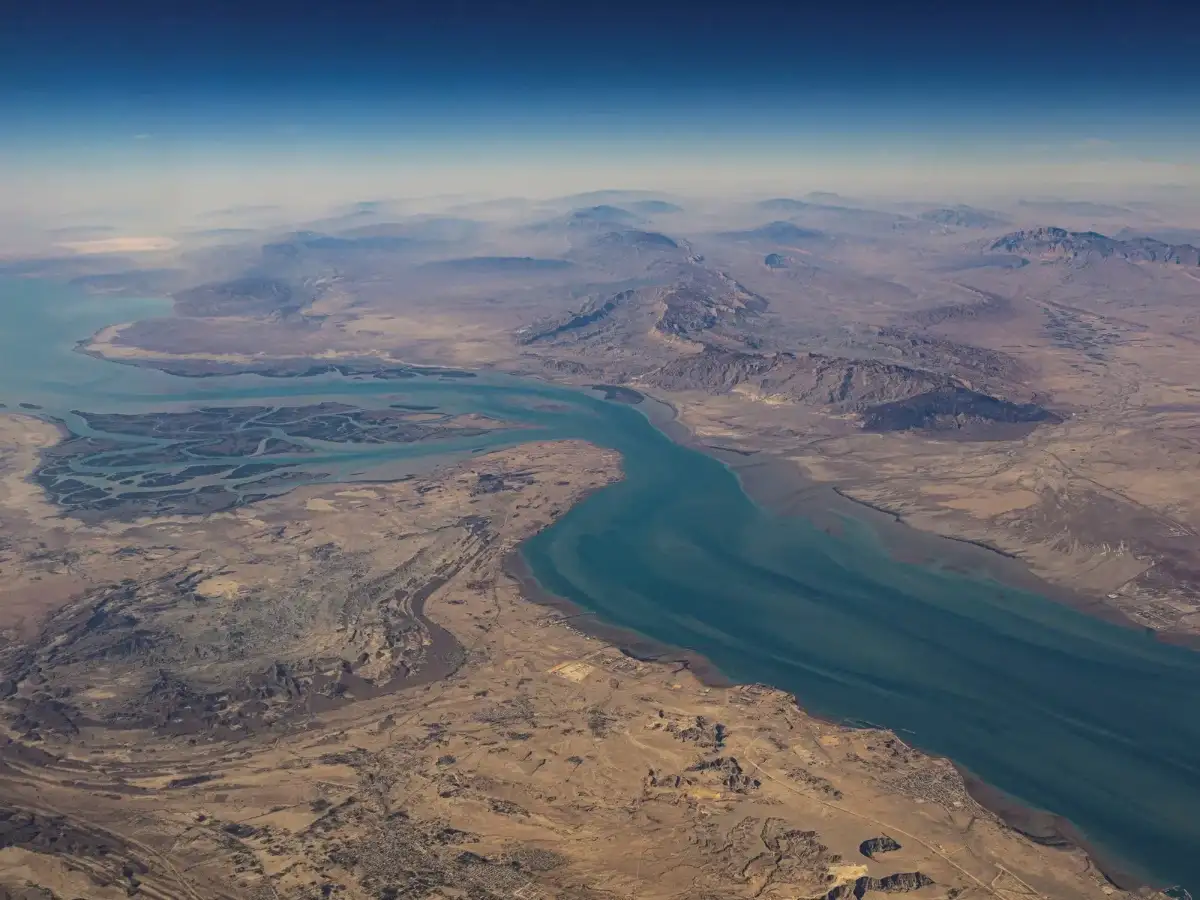
Asian countries most at risk from oil & gas supply disruptions in Strait of Hormuz: Research group
Asian nations are most vulnerable to oil and gas supply disruptions in the Strait of Hormuz. Japan faces the highest risk, followed by South Korea and India. Around 20 percent of global oil and LNG flows through this vital chokepoint. China and India are the largest destinations for these energy resources.

Indian govt assures fuel availability, affordability amid Iran-Israel tensions
The Ministry of Petroleum and Natural Gas reviewed crude and LPG supplies as Iran-Israel tensions pushed up global oil prices and raised concerns over energy security.
Sensex slumps over 1,000 pts; Nifty below 24,900 amid West Asia tensions
The key equity benchmarks closed sharply lower on Monday as investors adopted a cautious stance amid weak global cues. Sentiment remained under pressure due to escalating geopolitical tensions following the US-Israel attacks on Iran, which dampened risk appetite. From a market perspective, the primary concern remains the energy risk arising from the sharp surge in crude oil prices. Market participants also tracked movements in metal prices for further direction. The Nifty slipped below the 24,900 mark, weighed down by losses in auto, consumer durable and energy stocks.

European shares touch two-week lows on Middle East conflict
European markets tumbled Monday as Middle East tensions escalated, pushing energy and defense stocks higher. The STOXX 600 saw a significant drop, its lowest since mid-February. Airlines and banks bore the brunt of the sell-off, while oil prices and defense firms surged amid fears of wider conflict and increased military spending.

Brent at $100? Why India could be hit hardest by the US–Iran war; ONGC, Oil India to benefit
JM Financial warns that India's economic exposure to energy shocks from the Middle East escalation is significant. The shift to oil-driven markets could increase inflation and impact trade balance, as India imports 85% of its oil. Crude price rises could have widespread effects across sectors.

Israel-Iran war: Escalating hostilities in the Middle East risk renewed energy, inflation shocks, Moody's says
Israel-Iran war: Middle East hostilities are escalating, posing significant risks to India and other Asian commodity importers. Disruptions to key energy and trade routes, including the Strait of Hormuz, are driving up oil prices and threatening to worsen inflation and trade balances. This renewed instability casts a shadow over economic outlooks, particularly for debt-burdened emerging economies.
Best places to hide in war: 20 stocks analysts say to bet on amid US-Iran conflict
Global markets are experiencing volatility due to Middle East tensions. Indian equities are bracing for this uncertainty. Analysts suggest certain stocks in energy, metals, IT, pharma, defence, and banking could offer relative safety. Investors are advised to watch for opportunities amidst the current market movements. Oil prices and currency fluctuations are key factors to monitor.
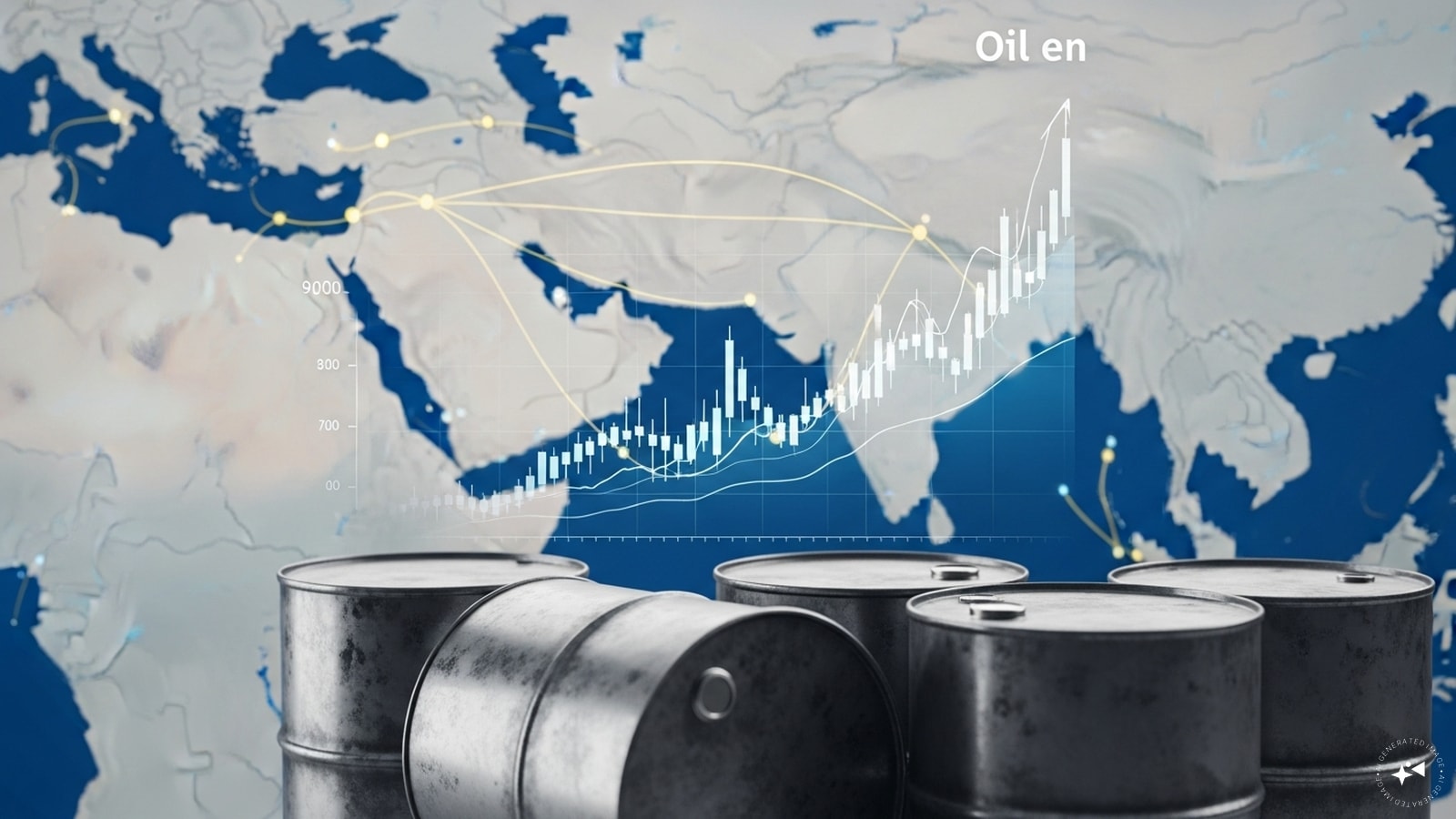
US-Israel-Iran war: Asia’s commodity markets under pressure amid Middle East conflict
Moody’s Analytics warns Middle East conflict may hurt Asia’s energy importers like Japan, South Korea, Taiwan, Singapore, and Hong Kong due to rising oil prices.

L&T shares fall 6% after Iran war raises worries on Middle East exposure
An L&T spokesperson said the Middle East is a strategically significant market for the company, with a deep and long-standing business presence across the region spanning energy, renewables, infrastructure and technology.

Watch | A war trade will be on oil and not on gold, says Rohit Srivastava
Indiacharts and Strike Money founder Rohit Srivastava said gold may not sustain sharp gains despite geopolitical uncertainty, as it typically rallies briefly before correcting. He believes oil offers a stronger trading opportunity, noting that WTI crude has broken above the $70.5 per barrel resistance level. If prices hold above this mark and tensions escalate, oil could potentially move toward $100 per barrel, making energy markets the primary focus during conflict-driven volatility.
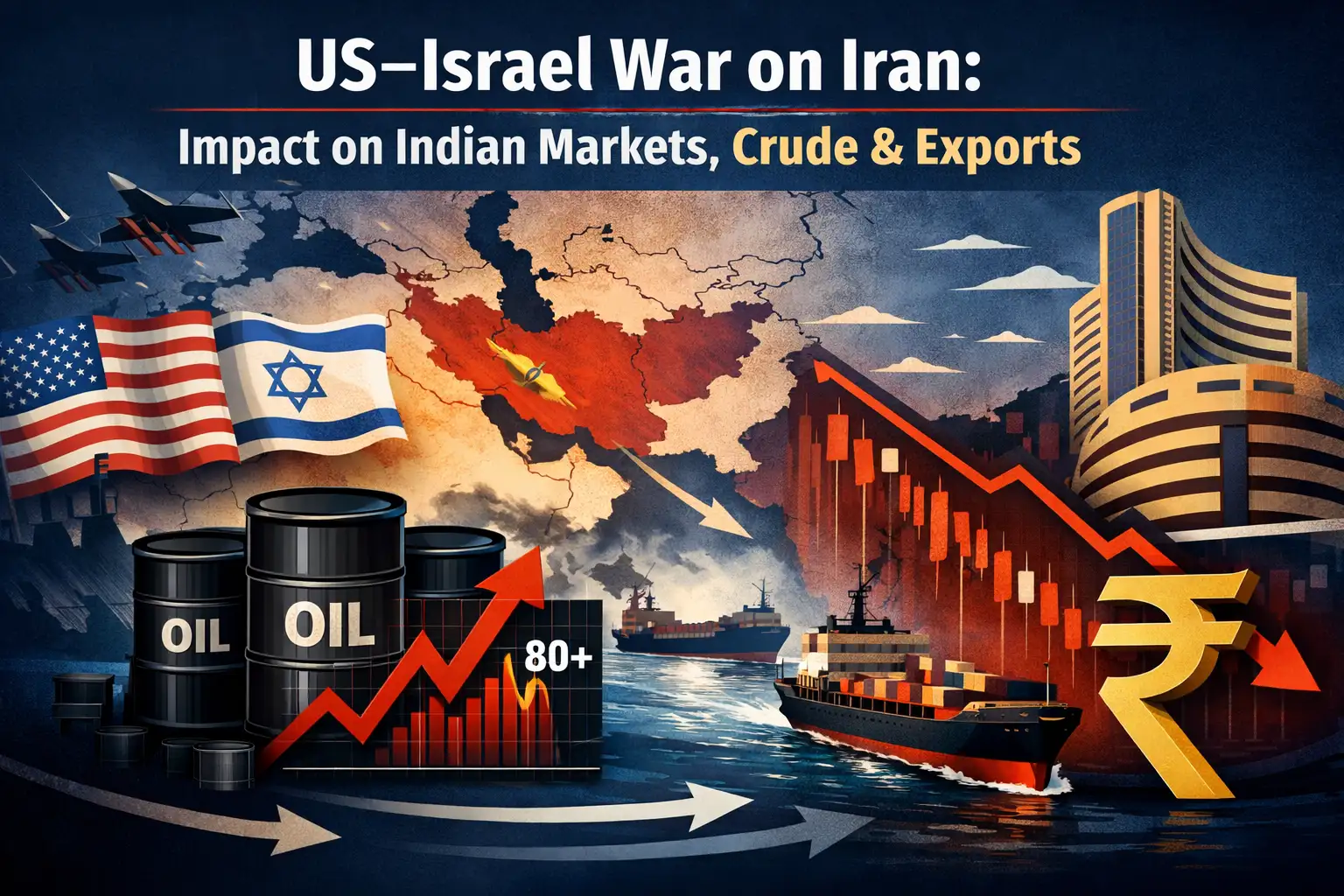
Explained: What US-Israel war on Iran means for Indian stock market investors, crude oil and exports
Indian markets fell sharply as US-Israel strikes on Iran triggered geopolitical tensions, pushing crude oil higher and weakening the rupee. Analysts warn of macro risks if the conflict prolongs, with energy, defence and IT stocks seen as relative beneficiaries, while OMCs, airlines and export-linked firms face immediate pressure.
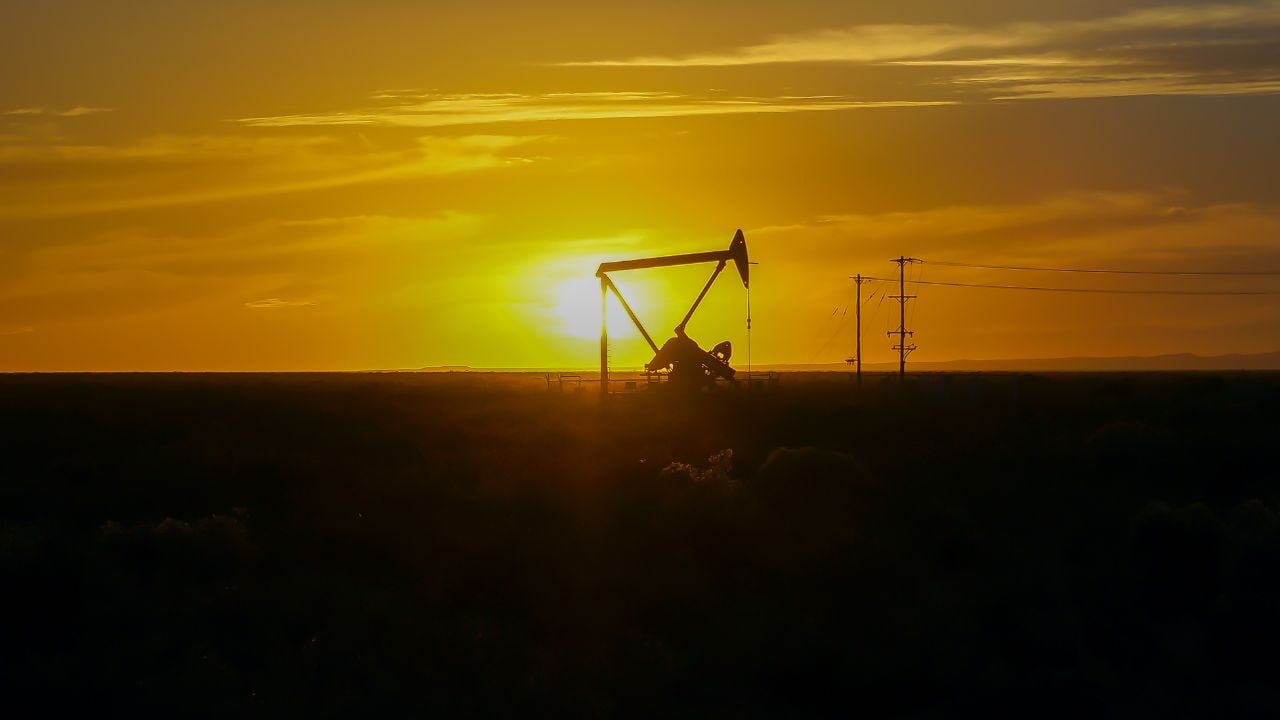
Watch | Higher crude supports upstream oil stocks, downstream outlook weak: Probal Sen
ICICI Securities energy analyst Probal Sen said crude prices around $75 per barrel are unlikely to trigger windfall taxes, supporting upstream companies such as Oil and Natural Gas Corporation (ONGC) and Oil India. However, he expects near-term pressure on downstream and gas companies as rising liquified natural gas (LNG)-linked input costs could impact margins. Sen remains cautious on the sector over the next three to six months but maintains a constructive long-term view on Hindustan Petroleum Corporation Ltd (HPCL), Bharat Petroleum Corporation Ltd (BPCL) and city gas distributors.