Market News
Stay updated with the latest market trends, earnings, and economic indicators.

Oil could climb back to $150 if ceasefire breaks down, warns FGE's Iman Nasseri
Iman Nasseri, Managing Director - Middle East Research, FGE NexantECA, said crude markets remain sensitive to geopolitical developments, with current price movements reflecting only partial easing of risk.

Crude is now less rude: What $90 oil means for your stocks, rupee, Indian economy
Global oil markets may be entering a structurally higher price regime, with Brent expected to remain elevated despite a US-led Israel-Iran ceasefire. India faces near-term relief but faces risks of imported inflation and a widening current account deficit. While valuations are attractive, sustained foreign investor inflows hinge on West Asian stability and declining crude prices.

Has the Indian stock market priced in the US-Iran war? DSP MF explains why it is time to increase exposure to equities
As the US-Iran conflict escalates and oil prices surge, the Indian stock market faces uncertainty. DSP Asset Managers suggests that despite current headwinds, it might be an opportune moment to increase equity exposure.

Correction in NBFCs, IT and realty offers entry as earnings stay steady: Anupam Tiwari
Anupam Tiwari, Head of Equity at Groww Mutual Fund, expects a strong current quarter with limited impact from oil shocks so far, but flags risks from the next quarter onward. He remains positive on premium consumption, NBFCs, manufacturing exports and capex, while adding IT and premium real estate after corrections. He believes market fears may be overstated, with much of the downside already priced in.

Nifty gave zero return to FIIs in 4.5 years. Can India win back fleeing foreign investors?
Foreign investors have experienced no returns in Indian stocks for four and a half years. A combination of war, currency weakness, and oil price shocks has led to record outflows. Global brokerages are downgrading India's outlook. However, some see current low valuations as a potential turning point for foreign inflows.
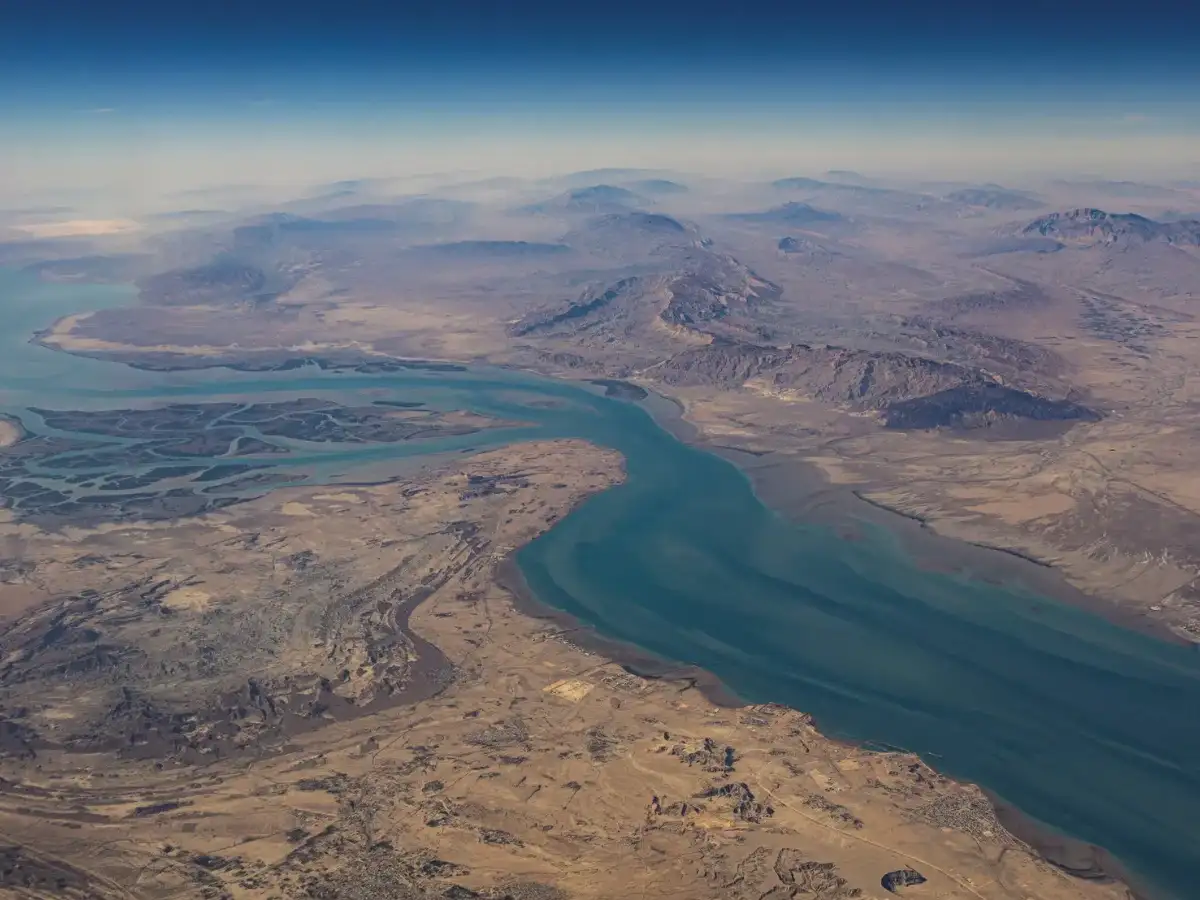
Hormuz chokehold leaves over 1.7 million tonnes of India’s oil, LNG and LPG cargo stranded
In the heart of the Persian Gulf, twenty-two Indian vessels laden with essential oil and gas remain stranded. With millions of tonnes of crude oil, LPG, and LNG in limbo, these ships are eagerly awaiting clearance to navigate the obstructed Strait of Hormuz. The current turmoil has significantly impacted India's energy supplies.

Could the West Asia conflict drag Nifty 50 down to 22,000?
Whether the Nifty 50 recovers from here or drops further to 22,000 depends heavily on the duration of the current geopolitical crisis and the resulting oil shock. Let's take a closer look at landscape.
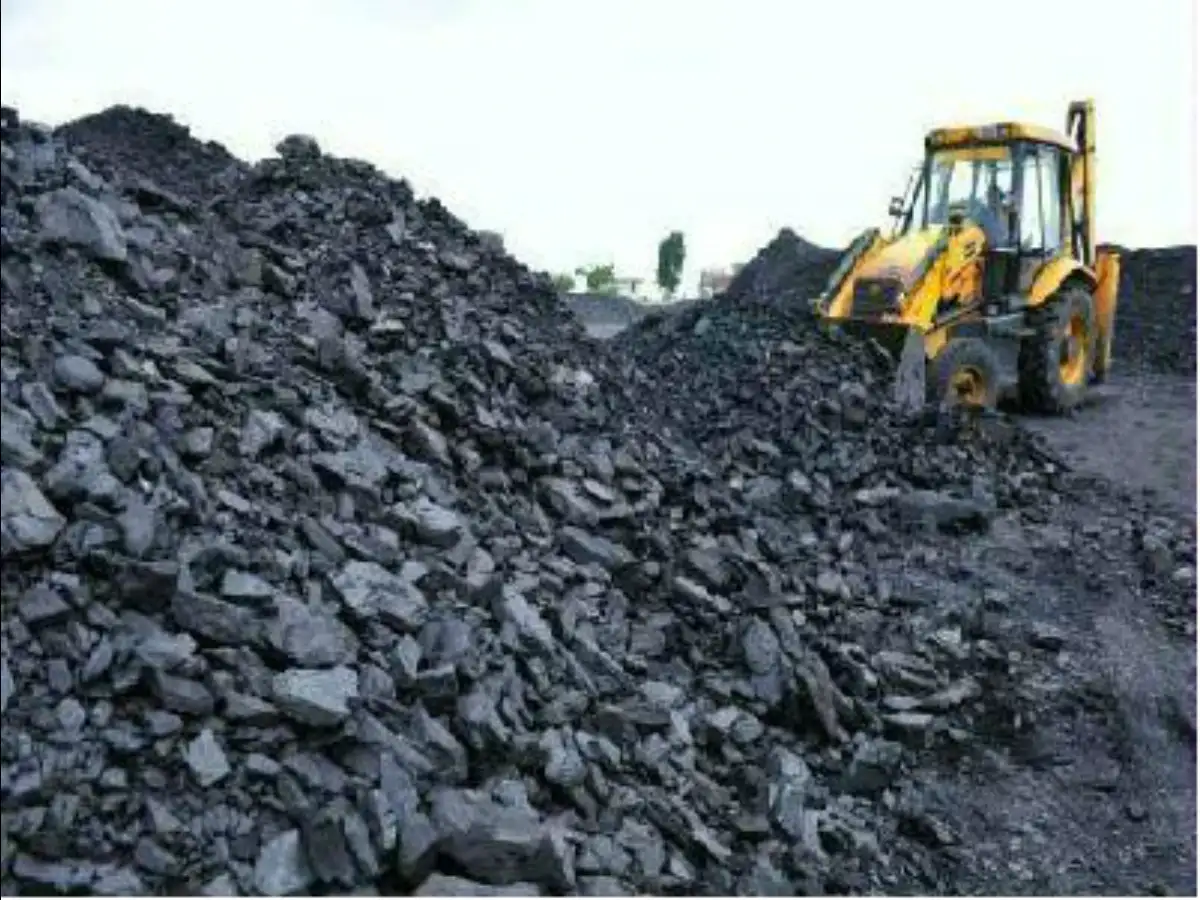
India fully geared to meet coal demand surge amid Iran‑Israel war energy concerns
India stands ready to tackle any unforeseen escalations in coal demand, with a remarkable inventory of around 210 million tonnes of coal — ample for nearly 88 days of energy production. The current scenario showcases a surplus, as coal output and supply surpass what is needed.

Wednesday wipeout: investor mood sours after Tuesday’s brief respite
Renewed West Asia hostilities triggered a broad sell-off, erasing ₹5.48 trillion in BSE market cap as benchmark indices hit 10-month lows. While oil-sensitive sectors face margin compression, analysts suggest current valuations offer long-term entry points despite rising volatility.

Silver rate today slips marginally on softer dollar, falling oil prices: Should you buy amid current volatility?
Silver rates declined on March 11 due to investor caution amid the US-Israel-Iran war, with gold benefiting from easing oil prices and a weaker dollar. Geopolitical tensions are disrupting oil supply, contributing to ongoing market volatility and uncertainty over future interest rates.
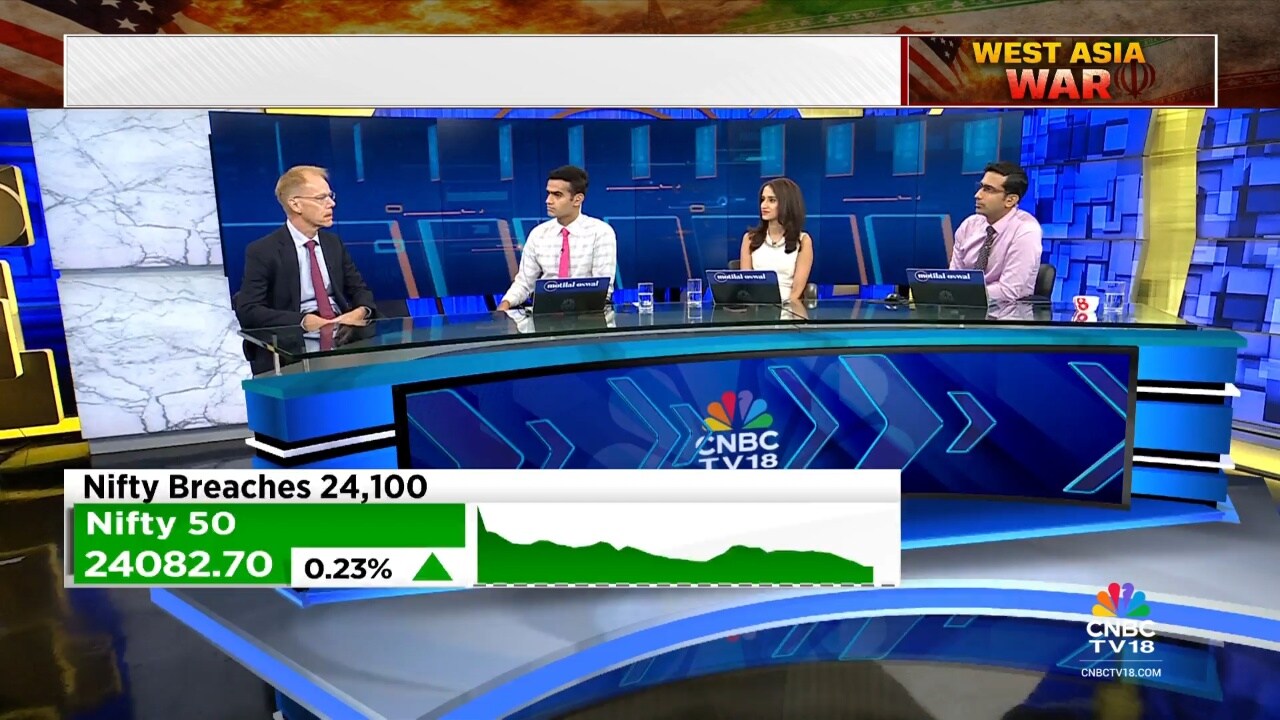
India better placed to absorb oil shocks than in the past: S&P Global Ratings
Louis Kuijs, Chief APAC Economist at S&P Global Ratings, says India is better positioned to absorb oil shocks compared to the past, with stronger macro buffers and a more flexible currency. While higher crude prices could pressure the current account and the rupee, the economy remains largely driven by domestic demand. The overall impact on growth will depend on how long oil prices remain elevated.

Markets sink again, volatility surges on crude spike and growth worries
Indian markets fell to 10-month lows as crude oil surged on West Asia tensions, stoking fears of higher inflation, a wider current account deficit, and pressure on corporate earnings