Market News
Stay updated with the latest market trends, earnings, and economic indicators.
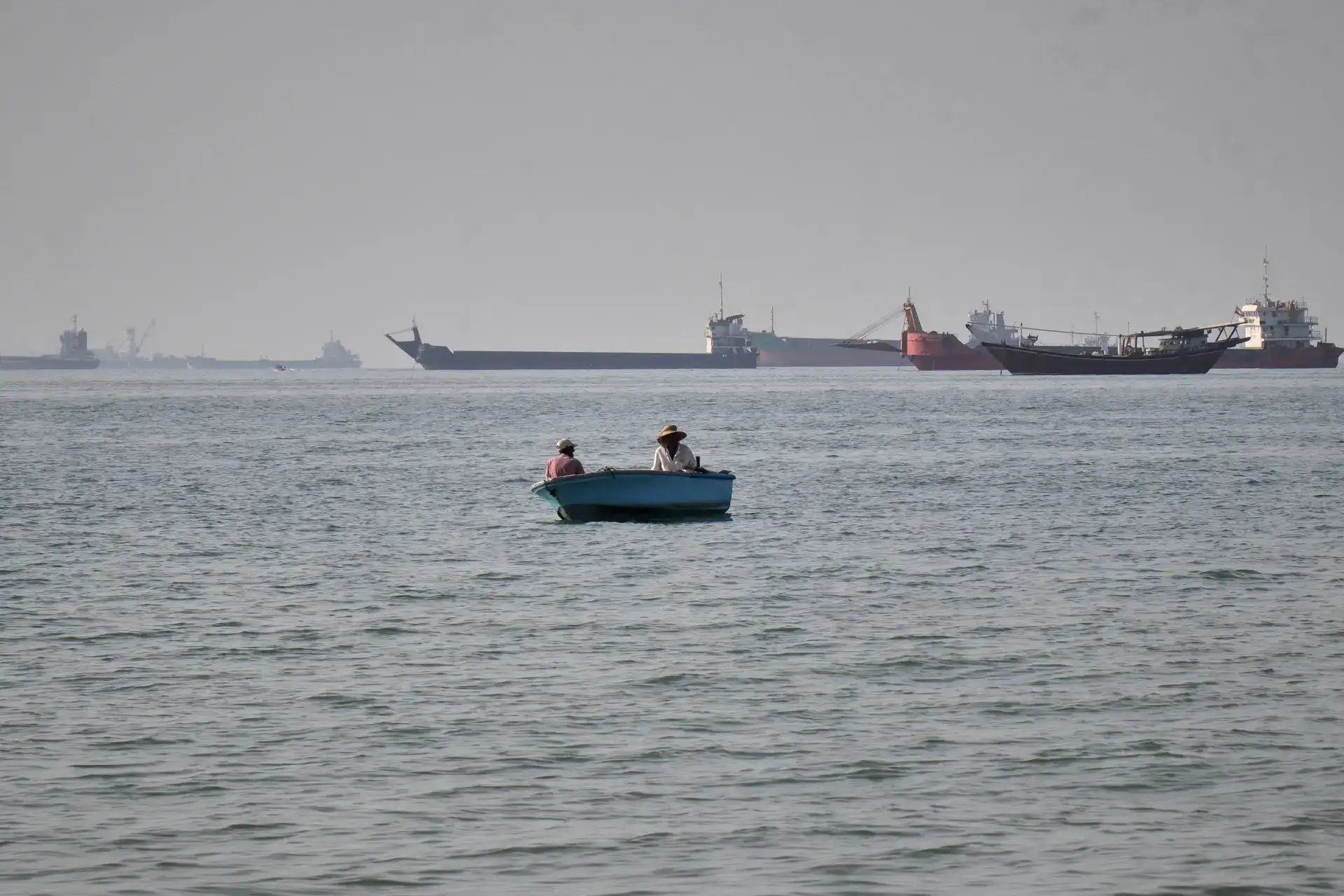
India prepares to send oil tankers through Hormuz for new supply
India is preparing to resume sending ships through the Strait of Hormuz to pick up oil and energy cargoes from Middle East suppliers for the first time since the Iran conflict began. State-run Shipping Corporation of India is ready to restart operations in the Persian Gulf once it receives approval from the Indian Navy and cargo orders from refiners.
INR collapses to new historic lows driven by global conflicts and energy spikes
The Indian rupee slipped to a record low of 96.60 against the US dollar before settling at 96.52 (provisional) on Tuesday, weighed down by soaring crude oil prices, persistent foreign capital outflows, and a resilient dollar buoyed by global risk-aversion. The rupee is Asia's worst-performing currency in 2026, having tumbled to a historic intraday low of 96.60 against the US dollar. The currency has depreciated 1.5 per cent this month and more than 7 per cent so far this year. Rupee remains vulnerable to rising crude oil prices and the closure of the Strait of Hormuz. Meanwhile, the Indian equity benchmarks surrendered their early morning gains in a highly volatile trading session to settle marginally lower due to late profit-booking. The BSE Sensex declined 114.19 points (0.15%) to close at 75,200.85, while the NSE Nifty 50 slipped 31.95 points (0.14%) to finish at 23,618.00.
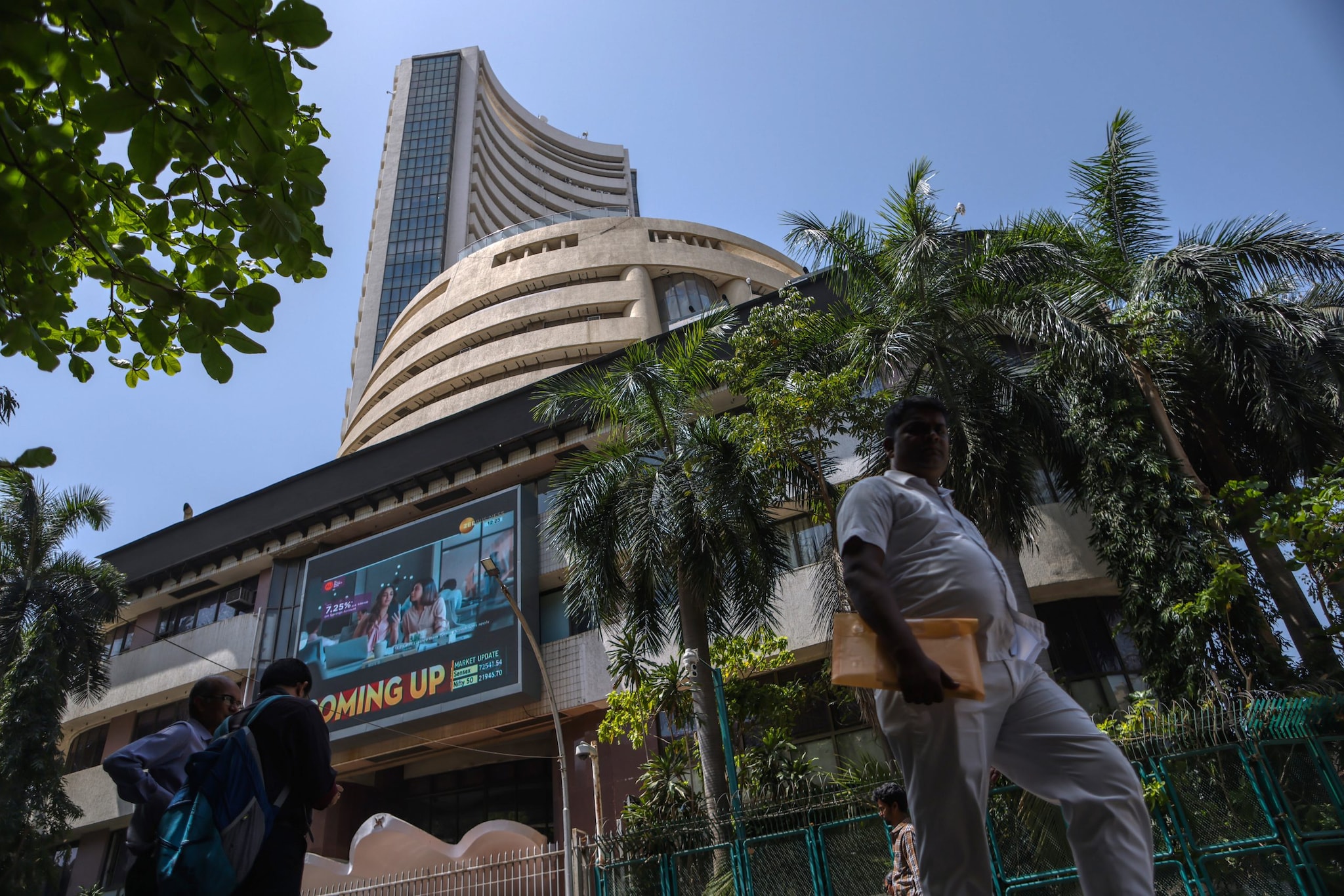
Market cap of nine of top 10 valued firms erodes by ₹3.12 lakh crore
Nine of the top 10 Indian firms lost ₹3.12 lakh crore in value as Sensex and Nifty fell on oil, rupee and inflation worries, with Reliance hit most and Bharti Airtel the only gainer

Very small rise in fuel price revision: Indian Oil chief says company working round the clock to ensure full capacity availability
Indian Oil refineries are running at over 100 percent capacity. This ensures no fuel shortage at retail outlets. Prices for petrol and diesel have seen a small increase. The company is also focusing on alternative energy. Two hydrogen-powered buses have been provided to Delhi Metro. These buses offer zero emissions.
INR settles around record low level as energy crisis deepen
The Indian rupee weakened further and fell to a record low of 95.73 (provisional) against the US dollar on Thursday, amid a strong dollar and worries over inflation amid elevated energy prices. International oil prices continued to hold around $100 per barrel mark that kept rupee under pressure. The rupee is expected to trade with a negative bias amid inflation concerns and the strength of the US dollar in the overseas market. The West Asia crisis and the blockade of the Strait of Hormuz have disrupted crude petroleum imports into India. Investors also awaited the outcome of U.S. President Donald Trump's summit with Chinese President Xi Jinping in Beijing. However, positive local equities limited losses in the domestic unit to some extent. Indian equity markets settled sharply higher for the second consecutive session, with the Sensex rising 789.74 points (1.06%) to 75,398.72 and the Nifty gaining 277 points (1.18%) to 23,689.60.
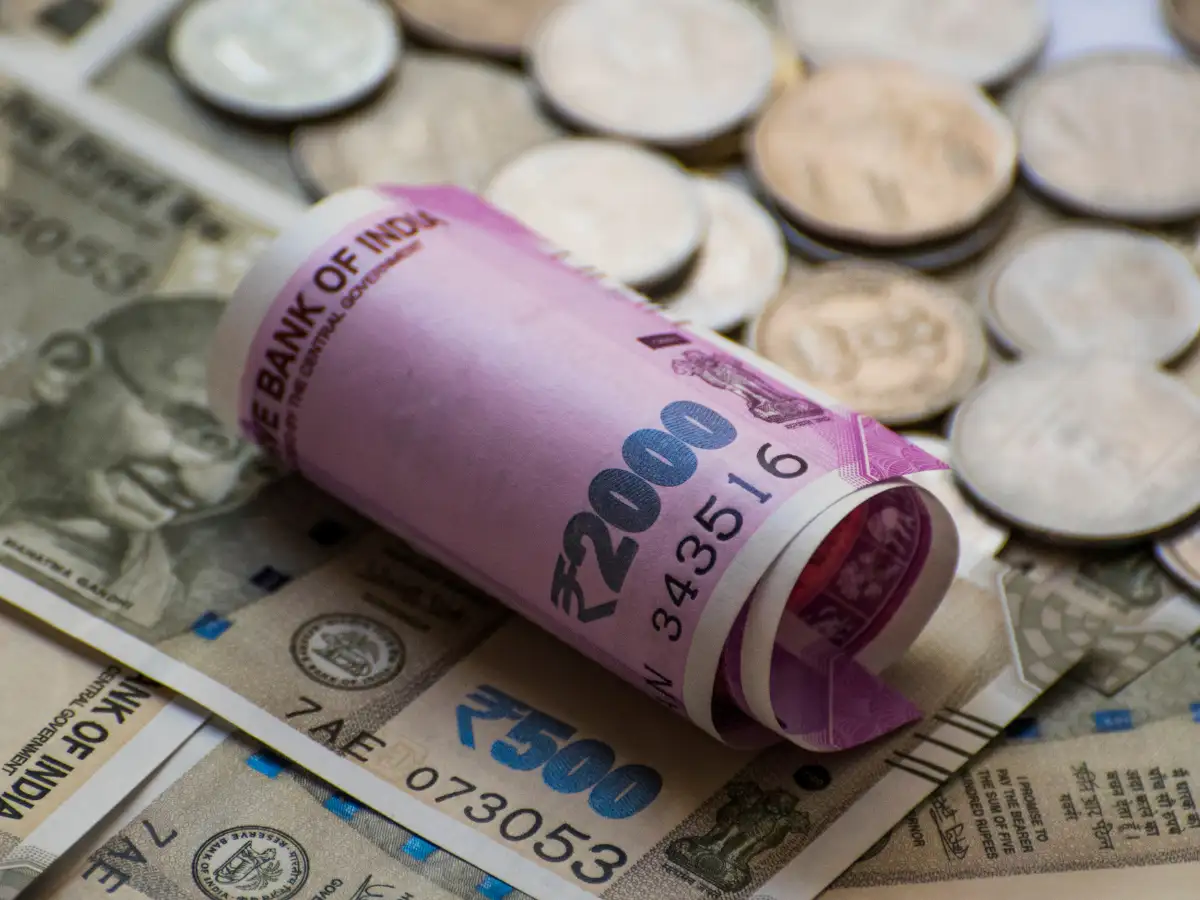
India rupee slips to record low near 96 per USD as energy risks deepen
The Indian rupee hit an all-time low, driven by high oil prices and portfolio outflows straining the economy. Policymakers are considering tax reductions for foreign investors on bonds to attract dollar inflows. Persistent balance of payments deficits and rising wholesale inflation signal ongoing rupee weakness.
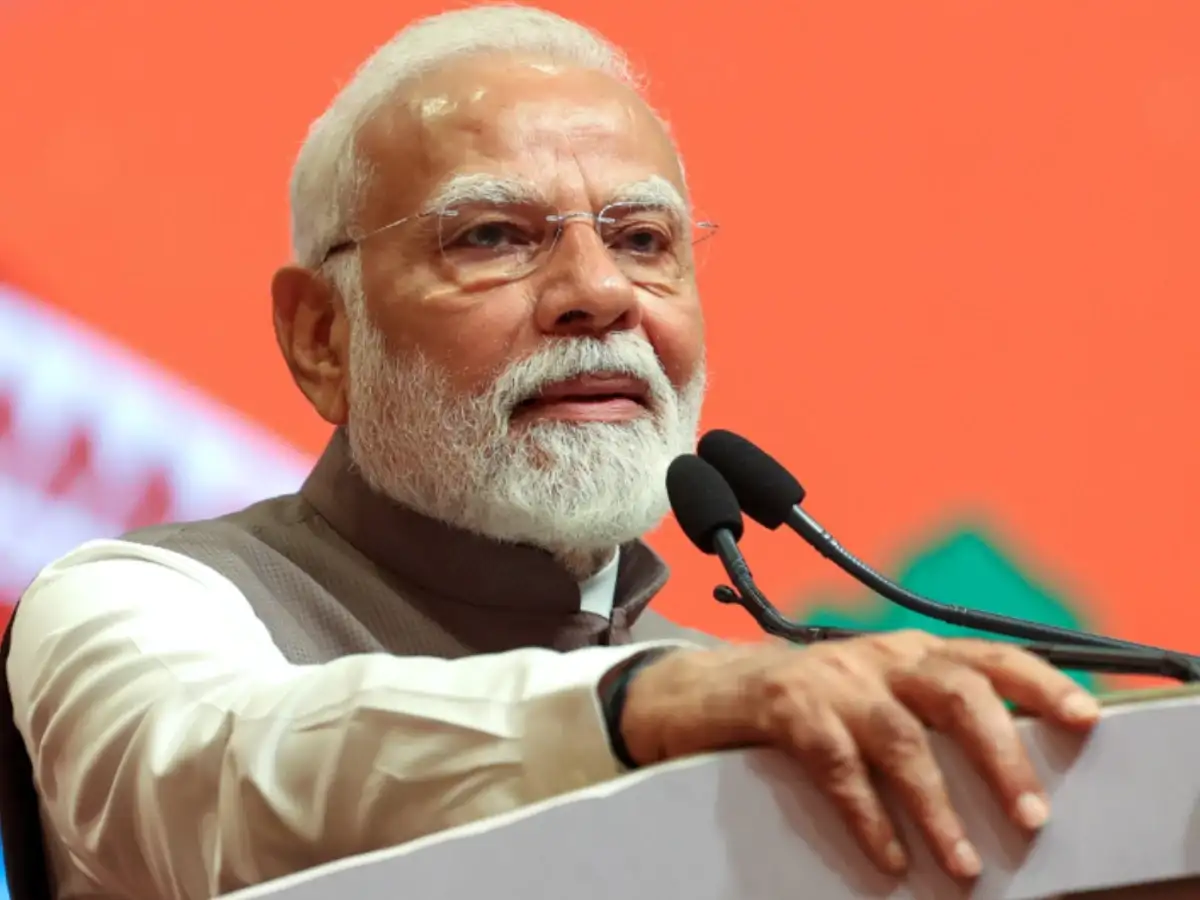
PM Modi likely to seek more energy supplies from UAE during short visit, sources say
Indian Prime Minister Narendra Modi will visit the UAE to discuss long-term energy supply deals and expand strategic oil reserves. The visit, part of a five-nation tour, aims to secure supplies disrupted by global conflicts. Modi will meet UAE President Sheikh Mohamed bin Zayed Al Nahyan to explore energy cooperation and other bilateral issues.
India asks US for Russian waiver extension as Iran war drags on
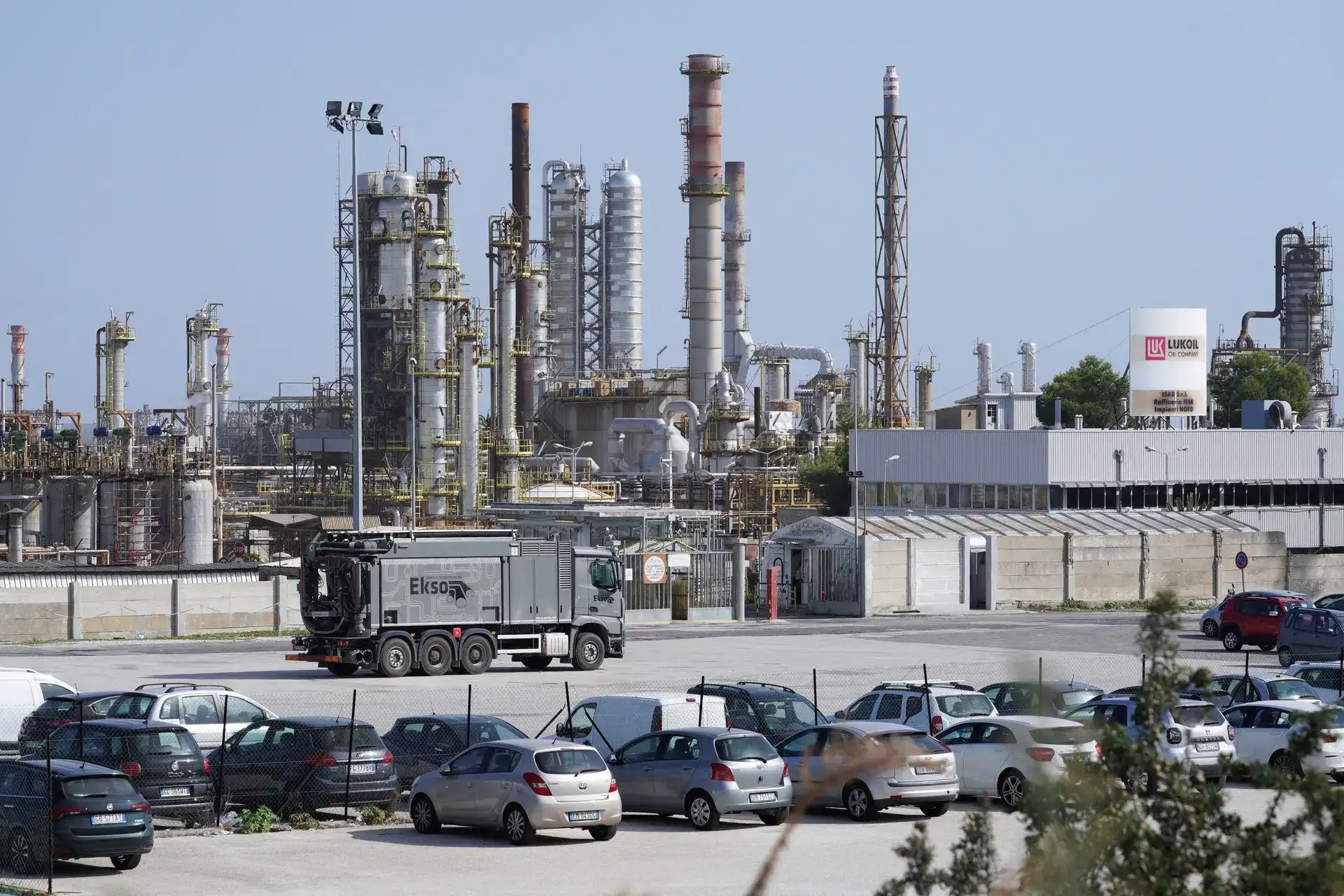
India has requested the United States to extend its waiver on Russian oil imports. This comes as the ongoing conflict in the Persian Gulf impacts global energy supplies. India emphasises that securing energy supplies remains a top priority for its citizens. Indian refiners are increasing Russian oil imports before the current waiver expires.
Benchmarks snap 4-day losing streak; Nifty settles above 23,400
Domestic equity benchmarks Sensex and Nifty snapped a four-session losing streak to close higher on Wednesday, aided by value buying in beaten-down stocks. Market recovered from early volatility and profit booking to rebound sharply from intraday lows, with the Nifty settling above the 23,400 mark. Gains were led by metal, consumer durable and energy shares, while IT and auto stocks remained under pressure. However, overall sentiment stayed cautious amid elevated crude oil prices, persistent foreign institutional investor outflows, rupee weakness and lingering global inflation concerns. The Indian rupee also touched a fresh intraday record low of 95.80 against the US dollar.
Q1 fuel losses may eliminate entire fiscal-year earnings of Indian OMCs
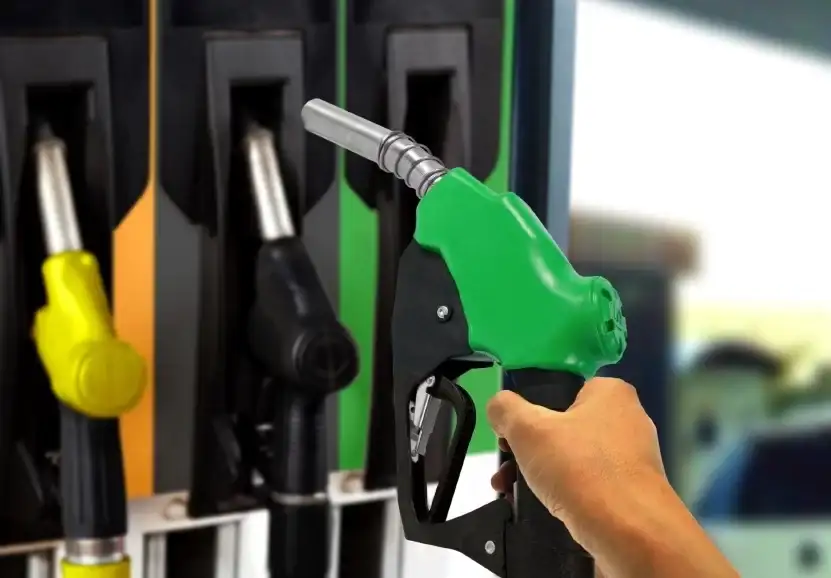
Since the war broke out in the Middle East 10 weeks ago, state-owned oil marketing companies (OMCs) have ensured uninterrupted supplies of petrol, diesel and cooking gas LPG at rates that are way below cost, unlike many global energy systems that imposed rationing or passed through steep price increases.
Rs 1,600-1,700 cr a day, Rs 1 lakh cr in 10 weeks: Cost of insulating India from global energy shock
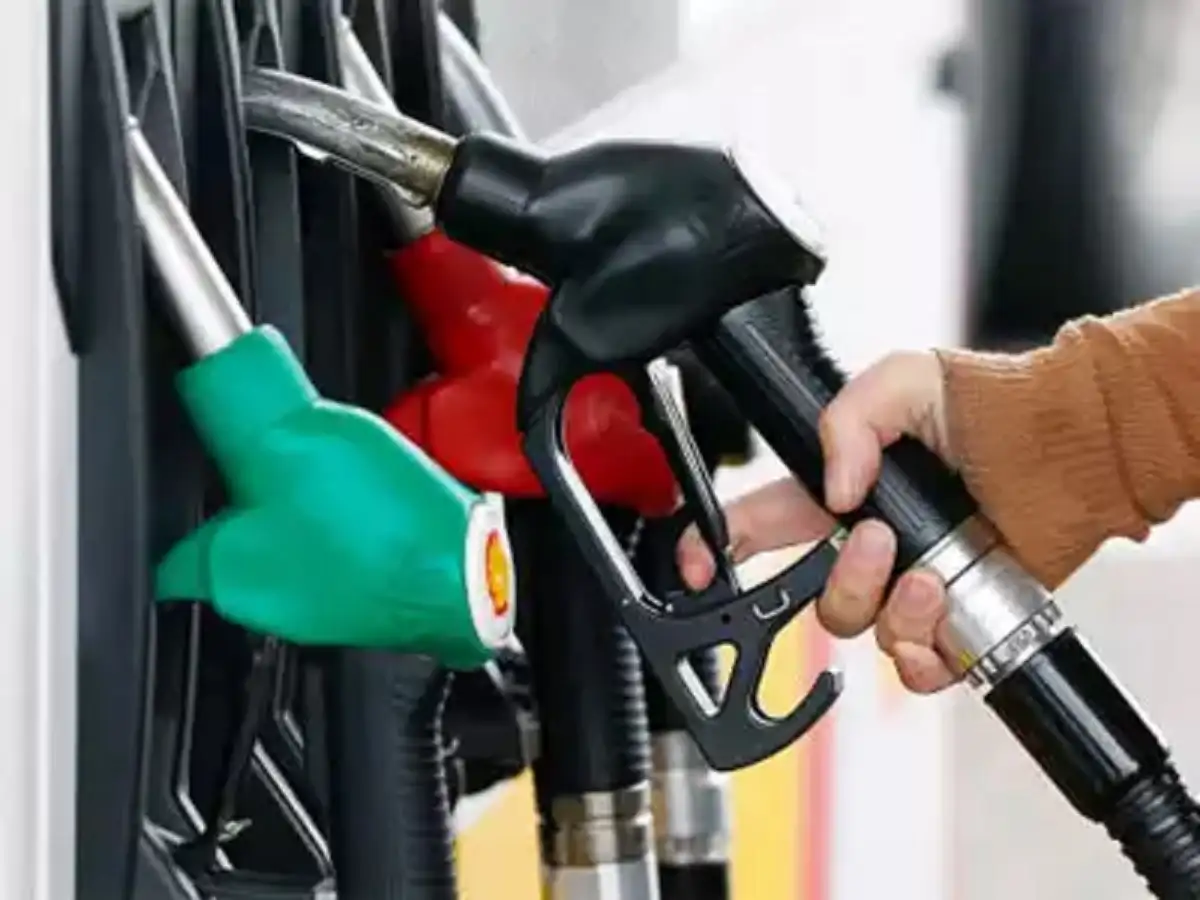
State-owned oil firms are incurring massive daily losses, estimated at Rs 1,600-1,700 crore, to shield Indian consumers from global energy price shocks. This has led to over Rs 1 lakh crore in under-recoveries in 10 weeks, raising concerns about their financial sustainability and the need for potential price hikes.

Mcap of 4 most valued firms erodes by ₹1 trn, SBI biggest laggard
The combined market valuation of four of the top-10 most valued firms eroded by Rs 1 lakh crore last week, with State Bank of India taking the biggest hit, amid a range-bound trend in equities. Last week, the BSE benchmark Sensex climbed 414.69 points or 0.53 per cent, and the NSE Nifty went up by 178.6 points or 0.74 per cent. "Indian equity markets witnessed a volatile and range-bound week, with sentiment remaining cautious despite intermittent recovery attempts. Early optimism driven by hopes of de-escalation in the Middle East and easing oil prices faded quickly as renewed tensions between the US and Iran resurfaced," Ponmudi R, CEO - Enrich Money, an online trading and wealth tech firm, said. While Bharti Airtel, State Bank of India, Tata Consultancy Services (TCS) and Larsen & Toubro faced erosion from their valuation, Reliance Industries, HDFC Bank, ICICI Bank, Bajaj Finance, Hindustan Unilever and Life Insurance Corporation of India (LIC) were the gainers from the pack. ...