Market News
Stay updated with the latest market trends, earnings, and economic indicators.

Q1 fuel losses may eliminate entire fiscal-year earnings of Indian OMCs
Since the war broke out in the Middle East 10 weeks ago, state-owned oil marketing companies (OMCs) have ensured uninterrupted supplies of petrol, diesel and cooking gas LPG at rates that are way below cost, unlike many global energy systems that imposed rationing or passed through steep price increases.

Rs 1,600-1,700 cr a day, Rs 1 lakh cr in 10 weeks: Cost of insulating India from global energy shock
State-owned oil firms are incurring massive daily losses, estimated at Rs 1,600-1,700 crore, to shield Indian consumers from global energy price shocks. This has led to over Rs 1 lakh crore in under-recoveries in 10 weeks, raising concerns about their financial sustainability and the need for potential price hikes.

Mcap of 4 most valued firms erodes by ₹1 trn, SBI biggest laggard
The combined market valuation of four of the top-10 most valued firms eroded by Rs 1 lakh crore last week, with State Bank of India taking the biggest hit, amid a range-bound trend in equities. Last week, the BSE benchmark Sensex climbed 414.69 points or 0.53 per cent, and the NSE Nifty went up by 178.6 points or 0.74 per cent. "Indian equity markets witnessed a volatile and range-bound week, with sentiment remaining cautious despite intermittent recovery attempts. Early optimism driven by hopes of de-escalation in the Middle East and easing oil prices faded quickly as renewed tensions between the US and Iran resurfaced," Ponmudi R, CEO - Enrich Money, an online trading and wealth tech firm, said. While Bharti Airtel, State Bank of India, Tata Consultancy Services (TCS) and Larsen & Toubro faced erosion from their valuation, Reliance Industries, HDFC Bank, ICICI Bank, Bajaj Finance, Hindustan Unilever and Life Insurance Corporation of India (LIC) were the gainers from the pack. ...
From Chennai to Abu Dhabi: How Indian manufacturers are breaking into the Middle East’s oil supply chain
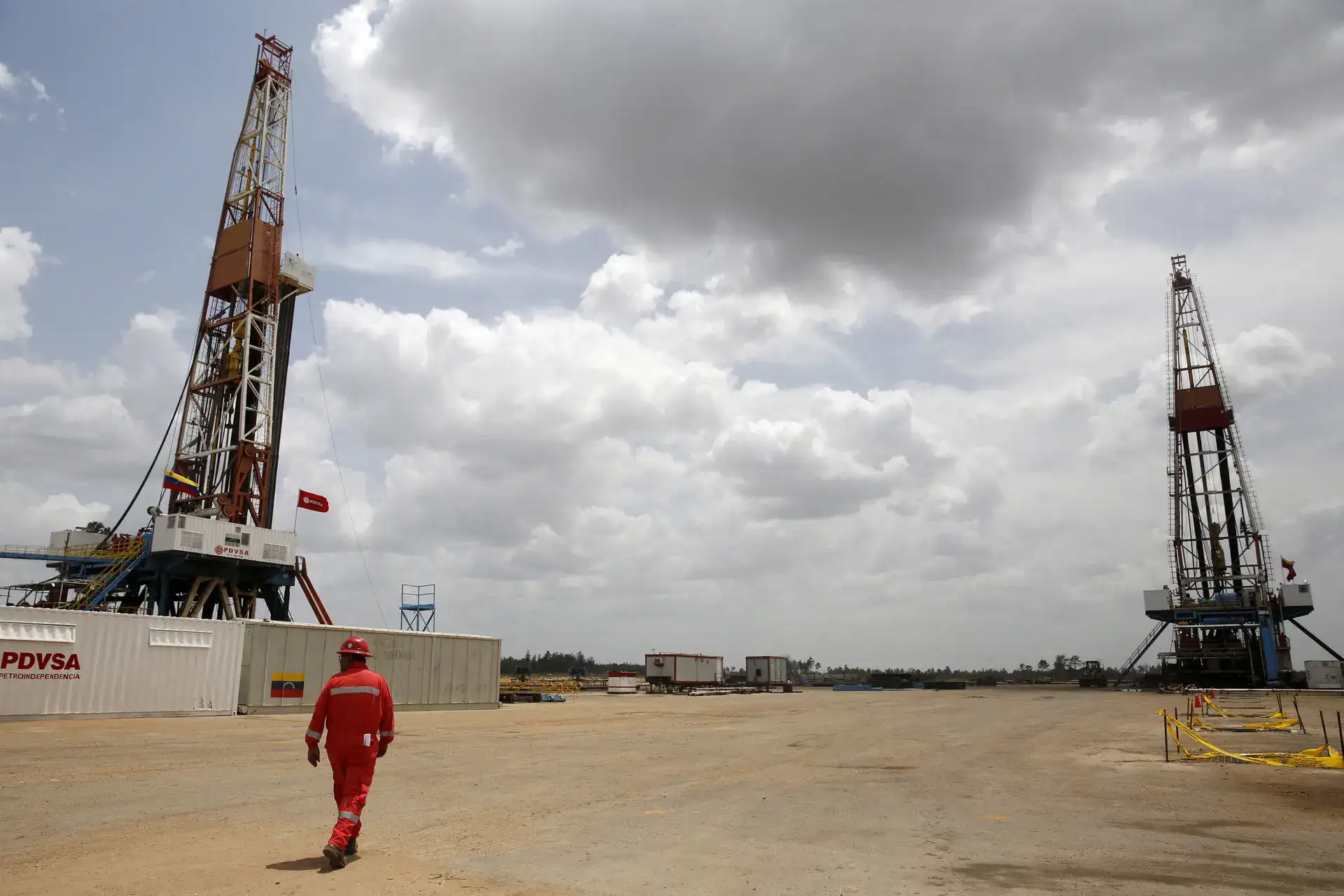
Indian engineering firms are now entering the Middle East's oil and gas supply chains. Global energy companies are broadening their supplier choices. This opens doors for Indian manufacturers meeting strict standards. Companies like LSI-MECH Engineers are gaining approval. The Middle East continues energy infrastructure investment. Diversifying vendor bases is a priority for global firms.

Dalal Street poised for strong start as GIFT Nifty hints at robust gap-up opening
Indian stock markets faced pressure due to firm crude oil prices. The Nifty index remained below a key technical level for eight days, signaling a bearish trend. However, technical indicators suggest a potential recovery from current levels. Volatility eased slightly, offering some support. Foreign investors were net buyers, while the Indian Rupee touched a record low.

USD vs INR: Indian Rupee may depreciate to 96 per US dollar amid rising crude oil prices, global risk
The Indian rupee fell 20 paise to 95.43 against the US dollar amid geopolitical tensions and rising Brent crude prices, impacting oil-importing nations. Experts warn that prolonged currency weakness could worsen India's current account deficit and trigger further capital outflows.
West Asia war has a crude lesson for Indian economy: Cut the oil imports
The West Asia conflict has exposed India's vulnerability to energy shocks, prompting calls to reduce crude oil imports and boost energy security. An RBI MPC member stressed the need for increased domestic exploration and a faster transition to alternative energy sources to sustain economic growth amidst rising import bills and inflation.

Top Gainers and Losers on April 30: Vedanta, Waaree Energies, Eternal, Adani Energy, Ceat, among top losers
The Indian stock market declined in April's final session due to rising crude oil prices and a weak rupee, with the Nifty 50 down 0.73% and the Sensex 0.78%. Both indices recorded over 7% gains for the month, while the rupee hit a record low against the dollar.
INR falls near record low levels hurt by elevated oil prices
The Indian rupee depreciated 14 paise to close near its all-time low at 94.82 (provisional) against the US dollar on Wednesday, pressured by rising crude oil prices, hovering well above $100 per barrel, and continued foreign capital outflows. Brent crude prices climbed toward $115 a barrel today, hitting a four-year high on mounting uncertainty around global supply amid the prolonged closure of the Strait of Hormuz. Elevated crude oil price is likely to sharply impact India's import costs, while the ongoing West Asia crisis and concerns over potential wider conflict are fuelling investor anxiety. Meanwhile, Indian shares rose notably on Wednesday despite mixed cues from global markets and growing anxiety over surging energy prices, capping downside in the counter. Sensex settled 609.45 points (0.79%) higher at 77,496.36 while Nifty 50 advanced 181.95 points (0.76%) to close at 24,177.65. Investors are also awaiting cues from the upcoming US Federal Reserve policy decision as dollar ..

HSBC downgrades Indian stocks to ‘underweight’ as oil shock clouds earnings recovery
HSBC has downgraded Indian equities to "underweight," citing surging energy prices from the Middle East war as a threat to the country's earnings recovery. With Brent crude above $100 a barrel, inflation and growth risks are elevated, making India less attractive than North East Asian peers. Earnings forecasts are expected to be revised lower, and foreign investor concerns are mounting.

India can handle oil at current levels; financials may recover: Allspring’s Prashant Paroda
As geopolitical tensions around the Strait of Hormuz show signs of easing, Prashant Paroda, Portfolio Manager – Emerging Markets at Allspring Global Investments, believes markets are already factoring in a resolution. He adds that while Indian financials initially took a hit, recent earnings from HDFC Bank and ICICI Bank are in line with expectations, and stable loan growth could support a gradual recovery in the sector.
Indian officials see Iran war oil shock as disruptive as Covid
India is drawing on its Covid-era playbook to cushion the economic blow from the Iran war, with officials warning the disruption to energy supplies could rival the pandemic, threatening growth, widening the fiscal deficit, and pushing the rupee to record lows.