Market News
Stay updated with the latest market trends, earnings, and economic indicators.
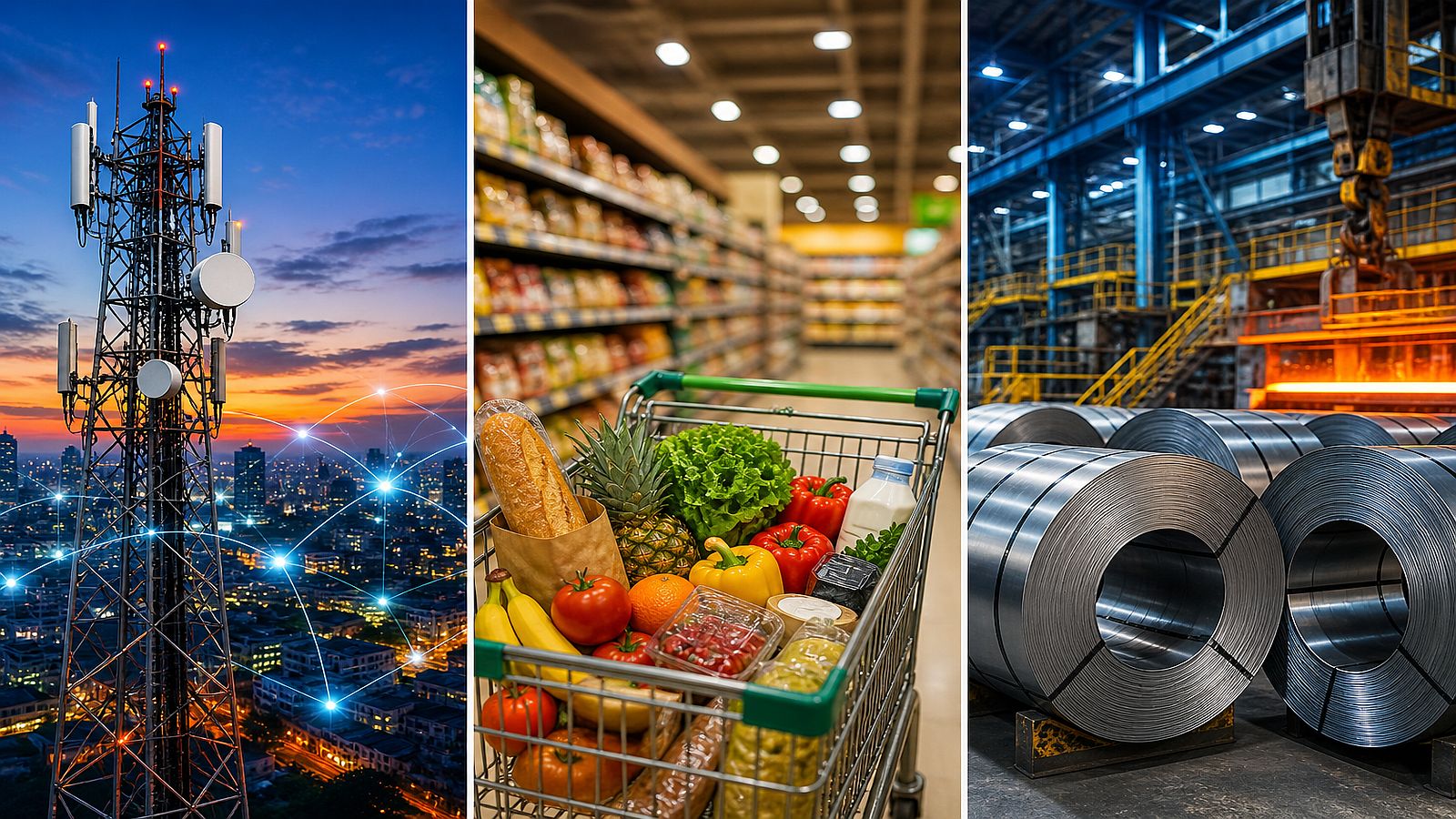
Prefer BSE on dips, Bajaj Auto strong, DMart margins muted: Chola Securities
Dharmesh Kant, Head of Research at Chola Securities, says markets remain selective with stock-specific opportunities. He flags weak telecom tower metrics and muted DMart margins, while auto OEMs show strong growth aided by price hikes. On BSE, he sees 15–20% volume trends but advises caution post volatility. He prefers long-term capital market plays on dips and remains bullish on metals, especially JSW Steel, with structural demand tailwinds.

Global markets turn selective as AI, oil and capital flows drive divergence: Manulife Investments
Marc Franklin, Deputy Head of Multi Asset Solutions, Asia at Manulife Investments explains how AI investments, rising oil prices and shifting capital flows are driving divergence across global equity markets.
INR falls near record low levels hurt by elevated oil prices
The Indian rupee depreciated 14 paise to close near its all-time low at 94.82 (provisional) against the US dollar on Wednesday, pressured by rising crude oil prices, hovering well above $100 per barrel, and continued foreign capital outflows. Brent crude prices climbed toward $115 a barrel today, hitting a four-year high on mounting uncertainty around global supply amid the prolonged closure of the Strait of Hormuz. Elevated crude oil price is likely to sharply impact India's import costs, while the ongoing West Asia crisis and concerns over potential wider conflict are fuelling investor anxiety. Meanwhile, Indian shares rose notably on Wednesday despite mixed cues from global markets and growing anxiety over surging energy prices, capping downside in the counter. Sensex settled 609.45 points (0.79%) higher at 77,496.36 while Nifty 50 advanced 181.95 points (0.76%) to close at 24,177.65. Investors are also awaiting cues from the upcoming US Federal Reserve policy decision as dollar ..

Mid & smallcaps offer better safety than largecaps; IT sector remains a big no: INVasset PMS
Anirudh Garg Partner & Head-Research at INVasset PMS says mid- and smallcap stocks remain relatively safer as they see lower FII selling compared to largecaps. He highlights a structural shift in India towards equity investing, supporting capital market plays. While valuations are now reasonable, growth remains the key driver. Garg is strongly bearish on IT due to slowing demand and AI disruption, while preferring capital markets, corporate-focused banks, power equipment and metals. Disclaimer: The views and investment tips expressed by investment experts on CNBCTV18.com are their own and not that of the website or its management. CNBCTV18.com advises users to check with certified experts before taking any investment decisions.

Manishi Raychaudhuri bets on private banks, metals, consumption plays
Manishi Raychaudhuri, Chief Executive Officer, Emmer Capital Partners, said global focus is shifting to energy security and alternative energy due to supply risks. He noted markets may be underestimating uncertainty, particularly around crude oil. For India, elevated oil prices could affect inflation and policy choices.

Why India may miss the next Asia rally: Nomura’s Chetan Seth
Chetan Seth, Asia-Pacific Equity Strategist at Nomura outlines how Korea and Taiwan could outperform on strong AI-driven earnings, while India’s performance will depend on energy stability and foreign inflows. Seth also breaks down the recent FII outflows, the role of the rupee, and why global capital is rotating toward tech-heavy markets.

Why FPI interest in India 'has pretty much died out': Nithin Kamath points to valuations, taxes and global alternatives
Foreign investor interest in Indian equities is weakening due to geopolitical risks, high valuations, weak AI opportunities, and tax concerns. Capital is shifting to other markets, while volatile FPI flows and recent sell-offs continue to pressure benchmark indices and investor sentiment.
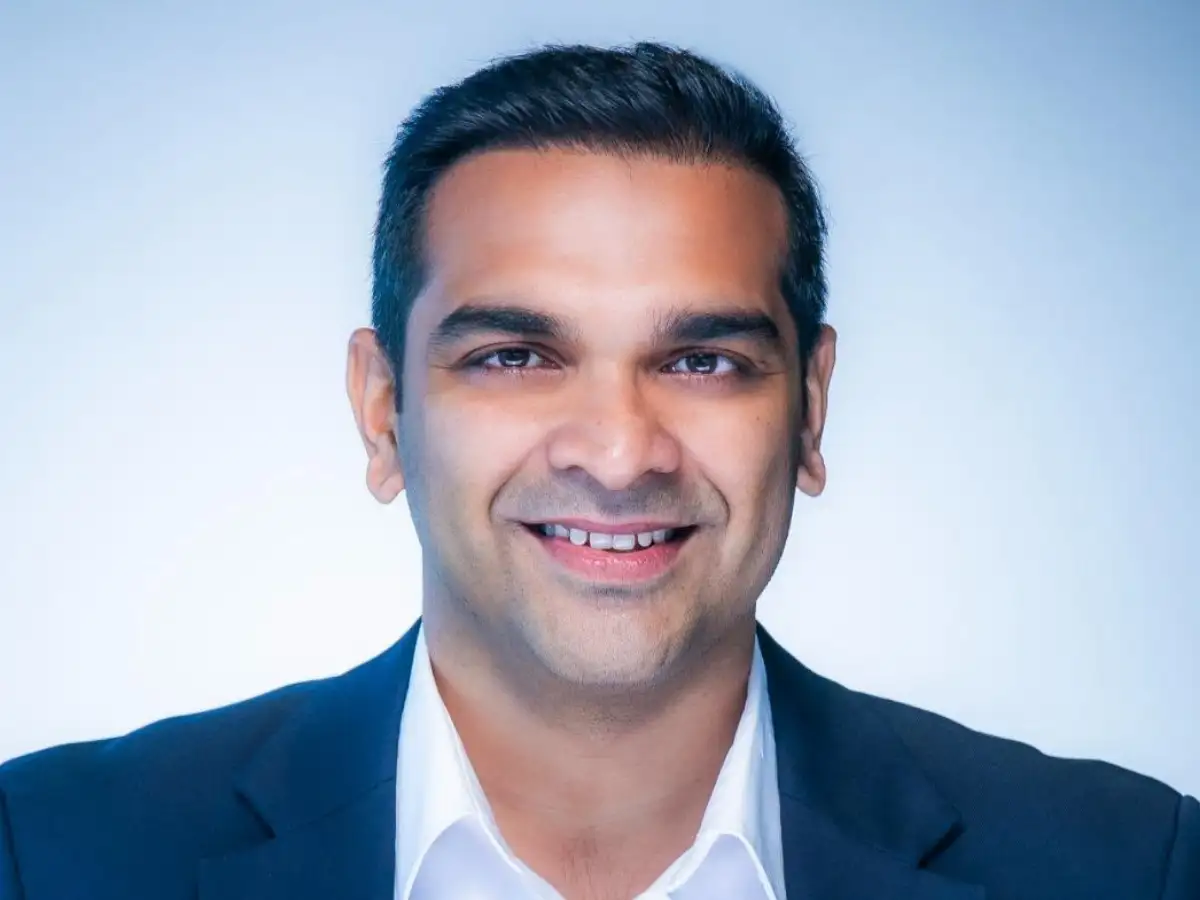
Capital with purpose: How capital markets are shaping the future of medicine with Dheeraj Chinthalapelly
Dheeraj Chinthalapelly, with a decade and a half of experience in global capital markets, shares his journey navigating the biotech investment banking, highlighting his focus on capital raising and mergers and acquisitions. He emphasises the importance of advising companies that bring scientific innovation to patients, navigating the evolving biotech capital markets, and prioritising long-term value creation.
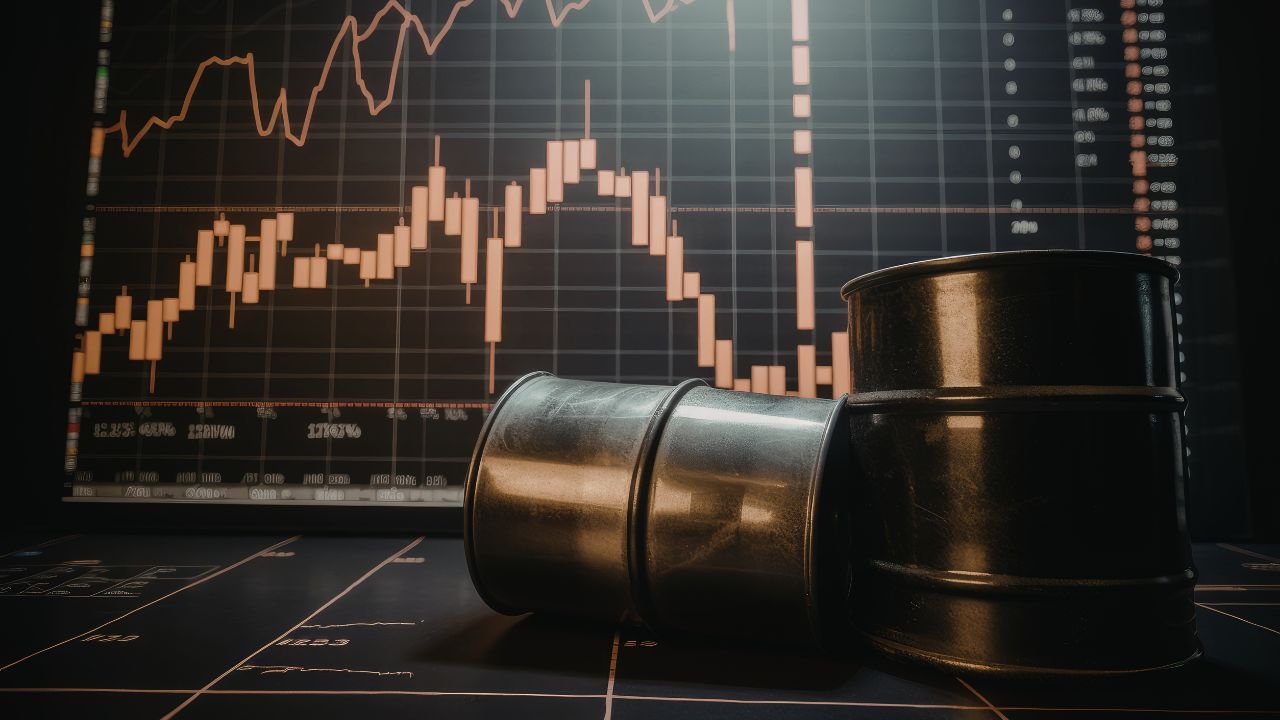
Trump's threats could disrupt global oil supply chains, warns Geosphere Capital's Arvind Sanger
Rising crude prices reflect concerns over supply risks, especially around the Strait of Hormuz. US President Donald Trump has signalled possible escalation targeting energy infrastructure if no deal is reached. Analysts say the conflict lacks a clear end point, raising the risk of prolonged impact on global oil supply and markets.
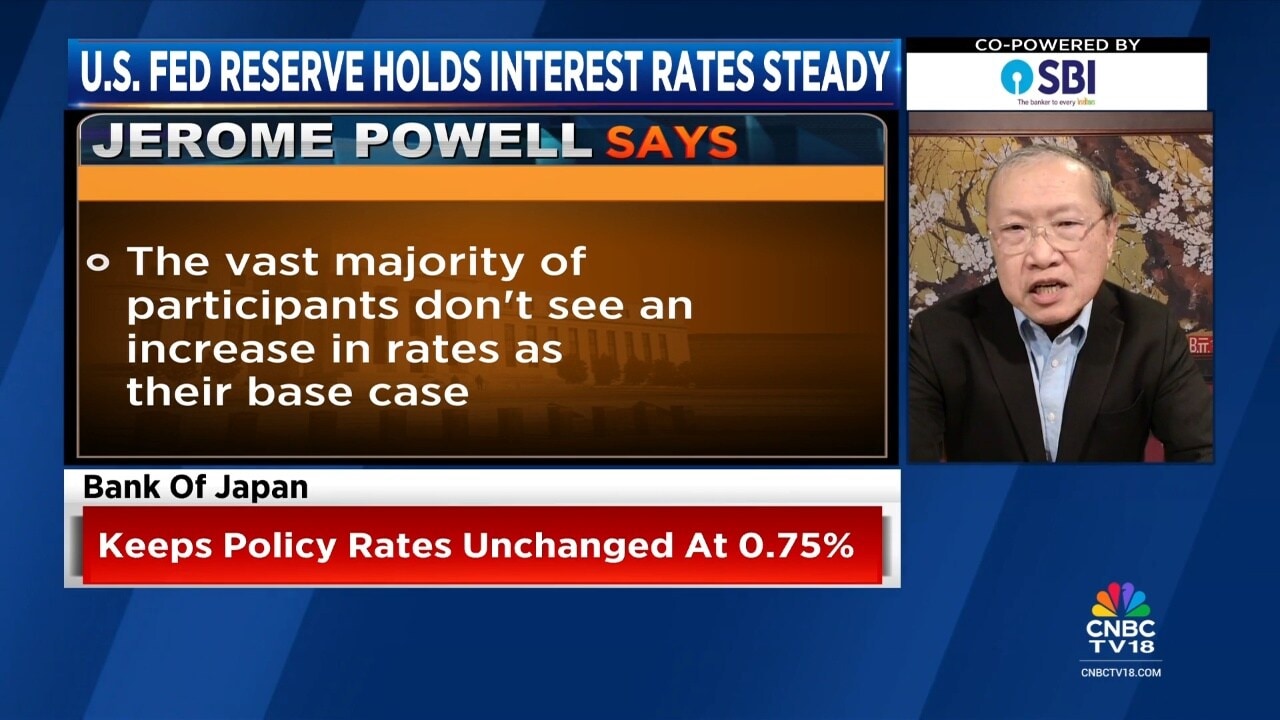
Fed to stay cautious on rate cuts with inflation still in focus, says William Lee
William Lee, Chief Economist and MD at Global Economic Advisors, says markets are grappling with repeated supply shocks—from Covid to wars—yet global growth, especially in the US, has remained resilient. However, rising uncertainty and energy disruptions risk diverting capital into safer assets such as treasuries, thereby hindering long-term growth. He notes political pressure in the US may push for a quicker resolution, while the Fed is likely to prioritise inflation control over rate cuts.
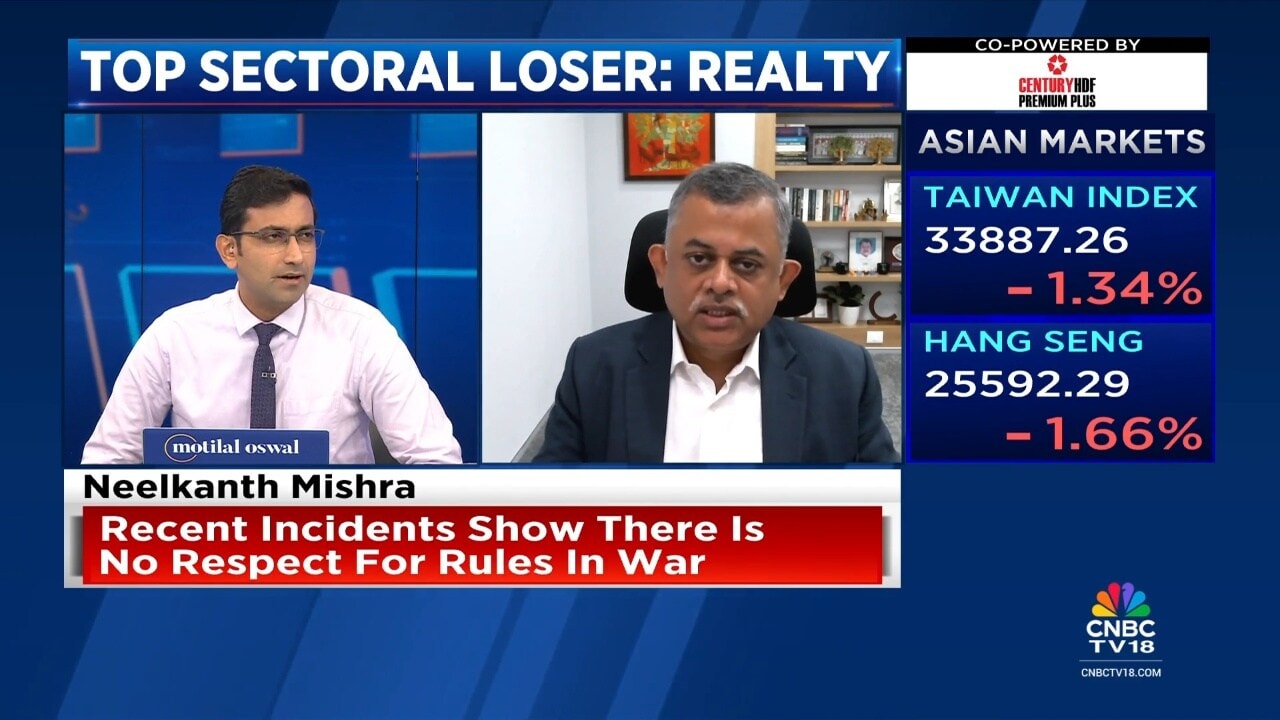
Iran war going beyond four weeks from now could trigger global recession: Neelkanth Mishra
Neelkanth Mishra, Head of Global Research at Axis Capital and Chief Economist at Axis Bank, says the Iran conflict is a major macro risk for India given its heavy dependence on energy imports. A prolonged disruption could wipe out around 7% of global energy supply and raise the risk of a global recession if it lasts beyond four weeks. While the impact on growth, inflation and currency may be one-time, supply shocks and second-order effects could worsen. Markets may need to panic before a resolution emerges. Axis Bank stock was trading at ₹1,221 at 9:37 am on the NSE, up over 16% in the past year.
Volatility may persist, but this is a time to accumulate: Bay Capital
Nikunj Doshi, Managing Partner & CIO-PMS at Bay Capital Investments Advisors, says rising crude prices and global uncertainty are key risks, but markets tend to recover over time. He advises gradual accumulation during corrections, with a long-term positive view on India. He prefers domestic-focused sectors like consumption, financials, NBFCs and digital tech, while cautioning that near-term outlook remains uncertain due to potential second-order economic impacts.