Market News
Stay updated with the latest market trends, earnings, and economic indicators.
NLC India inks MoU with Indian Oil Corporation
NLC India has signed a memorandum of understanding (MoU) with Indian Oil Corporation (IOCL) for the formation of a joint venture for the establishment of renewable energy power projects in Tamil Nadu.
NLC India shares in focus after firm signs renewable energy projects MoU with Indian Oil - Upstox
NLC India shares in focus after firm signs renewable energy projects MoU with Indian OilUpstox

Hormuz shipping activity shows signs of recovery; Indian refiners shine amid disruption: S&P Global
Shipping through the crucial Strait of Hormuz is showing signs of recovery, with daily transits increasing significantly, though still far below pre-war levels. Indian refiners, however, are demonstrating remarkable resilience, successfully diversifying their crude oil sources to include Russian, Brazilian, West African, and US grades amidst ongoing global energy supply disruptions. Market watchers remain vigilant as geopolitical tensions continue to influence oil trade.
NLC India signs MoU with Indian Oil Corporation
For incorporation of a renewable energy JV
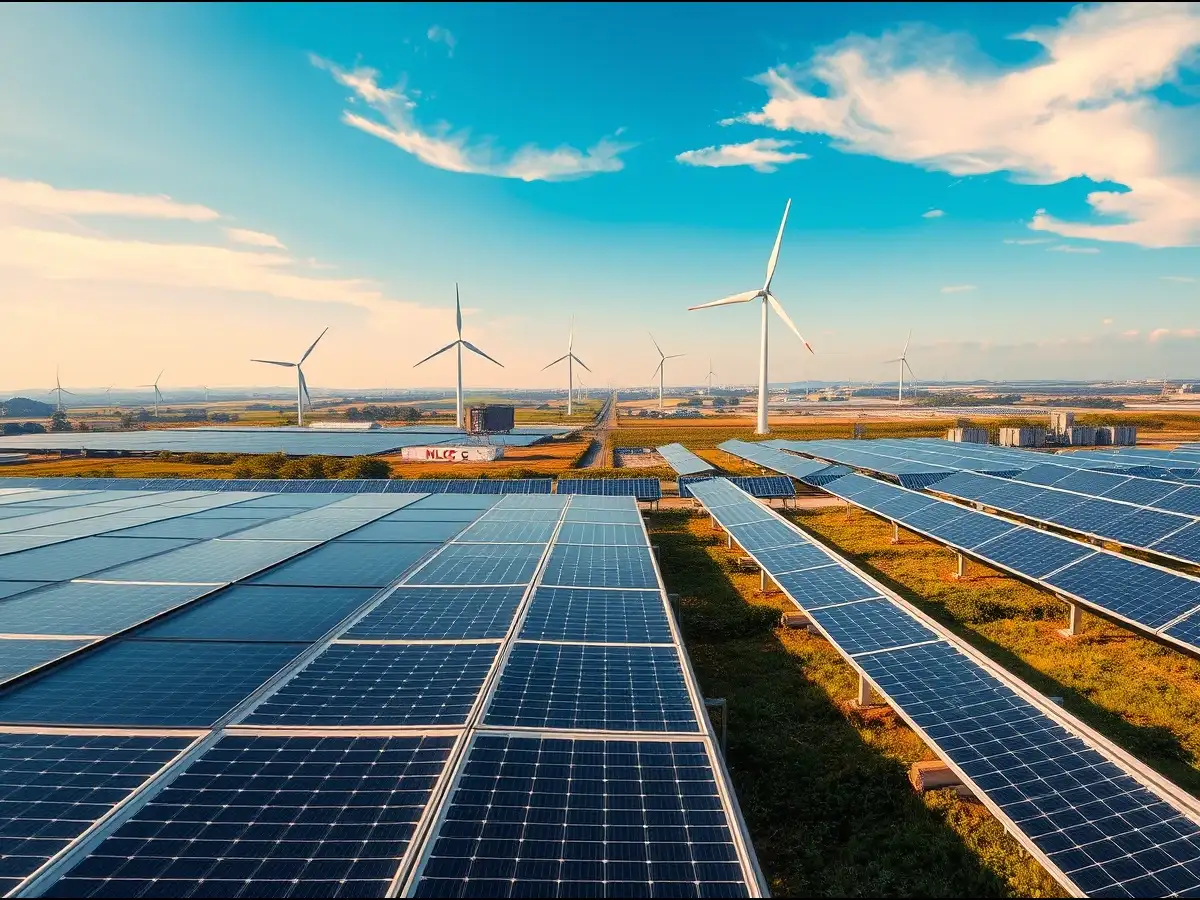
NLC India, Indian Oil Corporation partner up for large-scale green energy projects
State-run NLC India Limited (NLCIL) has partnered with Indian Oil Corporation Limited (IOC) to form a joint venture focused on developing large-scale green energy projects in Tamil Nadu. This collaboration, formalized by a Memorandum of Understanding, aims to advance renewable energy initiatives including solar, wind, and storage solutions. The partnership signifies a strategic move for NLCIL's diversification into clean energy and contributes to India's sustainable development goals.
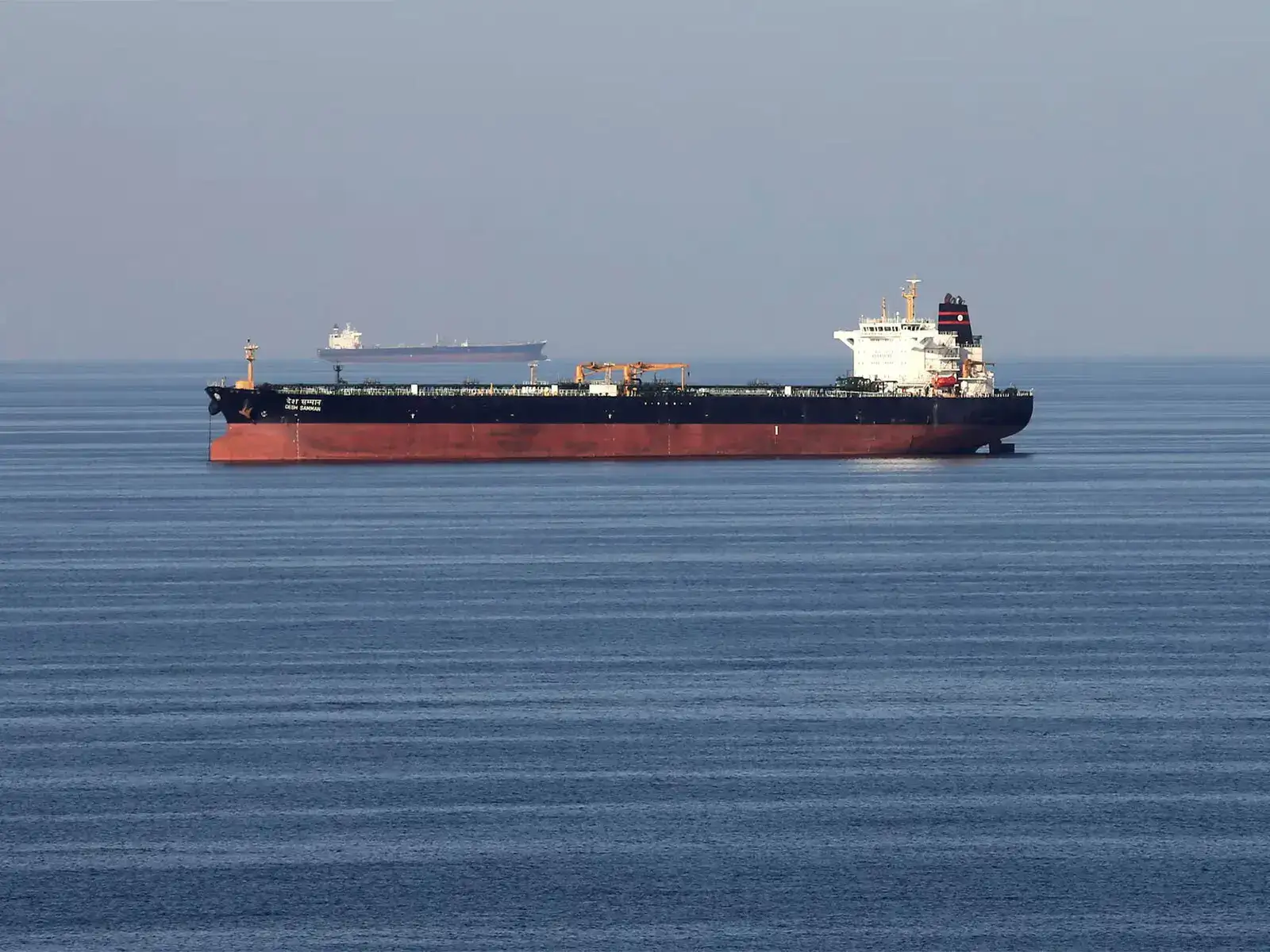
Eleven India-bound vessels have crossed Strait of Hormuz since signing of Iran-US MoU: MEA
Eleven India-bound vessels have successfully navigated the Strait of Hormuz since the US-Iran agreement on June 17, according to MEA spokesperson Randhir Jaiswal. Ten Indian-flagged ships remain in the Persian Gulf, with two more entering the region. This crucial waterway, vital for global oil transit, has recently faced disruptions, raising concerns about energy supplies and market stability.

Worst is over for crude oil prices for now: Jim Burkhard, S&P Global Energy
Oil prices will remain volatile, but we expect Brent to move into the $80-$90 range, says Jim Burkhard, vice-president and head of research for oil markets, energy and mobility at S&P Global Energy.
Vedanta Power, Oil & Gas, and Iron shares rally up to 5%; Aluminium sheds 3%. Should you buy, sell or hold?
Vedanta’s newly demerged entities extended their rally, with Oil & Gas, Power and Iron & Steel hitting upper circuits, while Aluminium slipped despite Citi’s bullish outlook. Brokerages remain constructive on select businesses, though views differ on valuations as investors assess growth, cyclicality and execution risks.
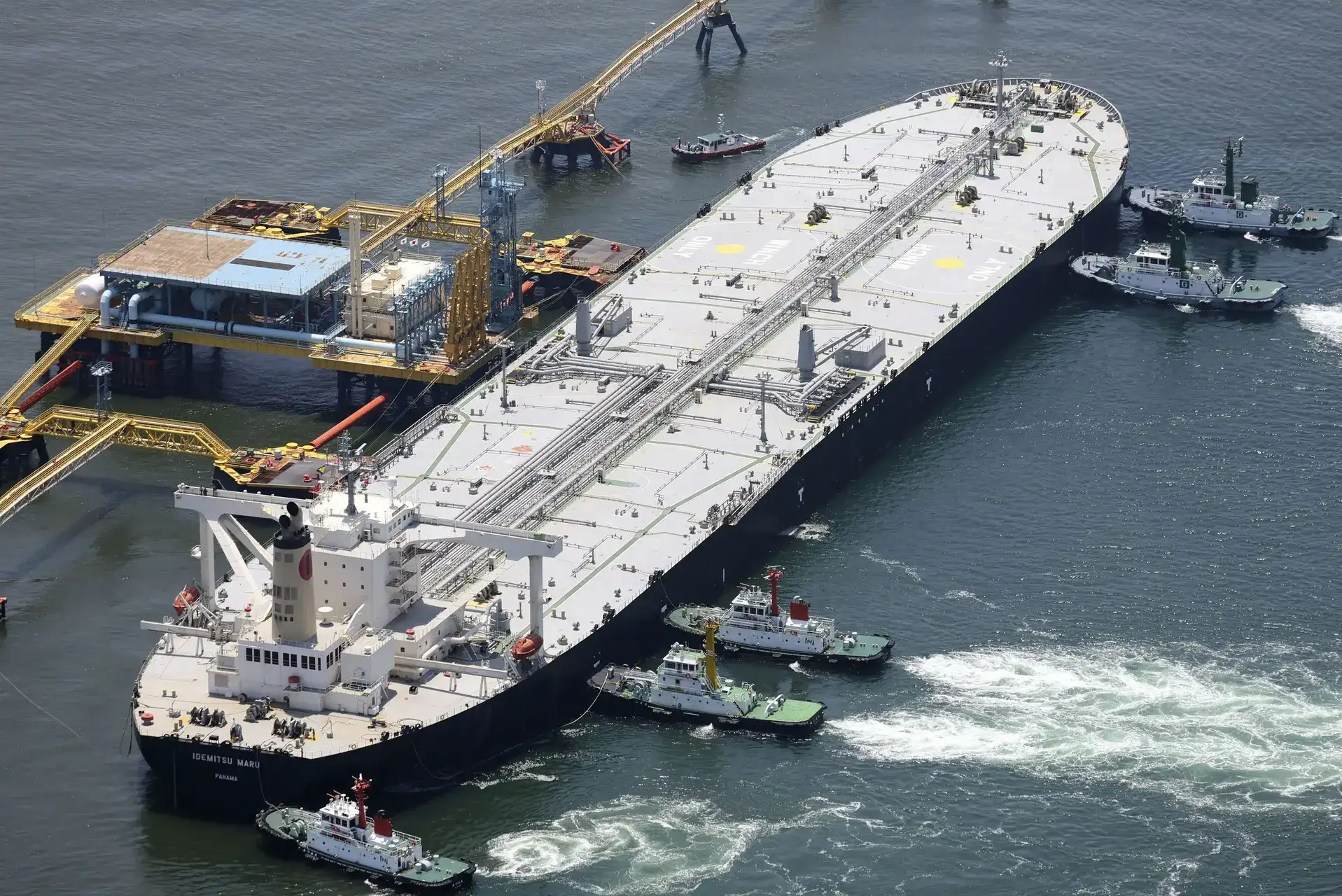
US suspends sanctions on Iranian oil until August 21 amid negotiations to end West Asia war
Washington has granted Iran a 60-day waiver on oil sanctions, permitting the nation to produce, export, and sell its crude until August 21. This move, part of an interim deal to de-escalate tensions, offers significant relief to Iran's energy sector. The decision could boost Iranian oil shipments, potentially alleviating global supply worries and stabilizing energy costs.
Sensex rises 291 points, Nifty tops 24,100 on cooling crude and FII support
Domestic equities advanced on Monday as cooling oil prices and fresh FII inflows fuelled risk appetite. Buying in heavyweight Reliance Industries and healthcare counters propelled the Nifty past the 24,100 level. The gains were partly offset by weakness in consumer durables and FMCG stocks.
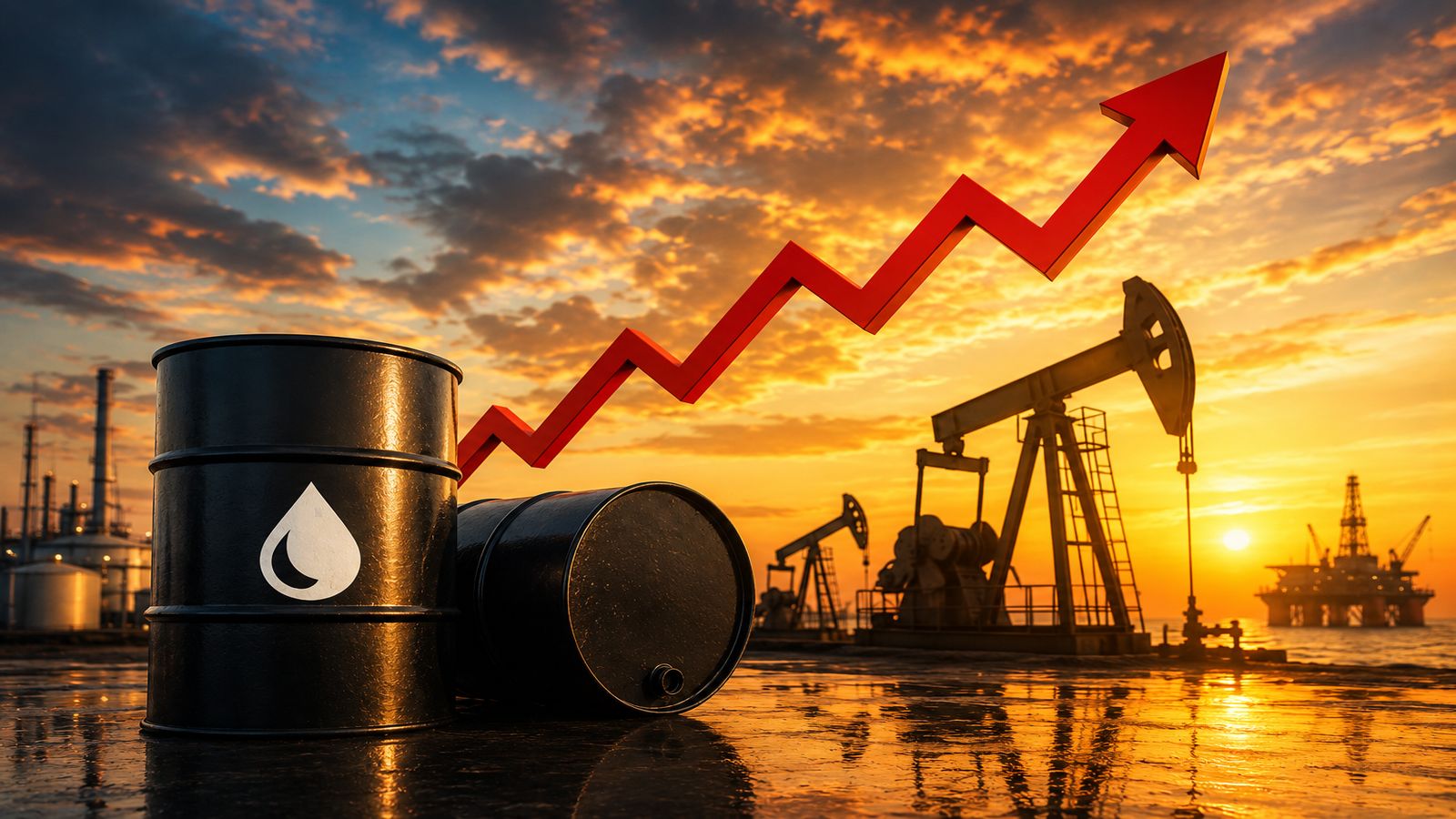
Oil prices could fall below $60 by 2027 as supply outpaces demand, says energy expert
Christof Ruehl, Global Advisor at Crystol Energy, expects oil supply to exceed demand by more than 1 million barrels per day in 2027, potentially pushing prices below $60 per barrel. Ruehl also said energy markets have become more resilient, while efficiency gains and the rise of electric vehicles could bring the world closer to peak oil demand.
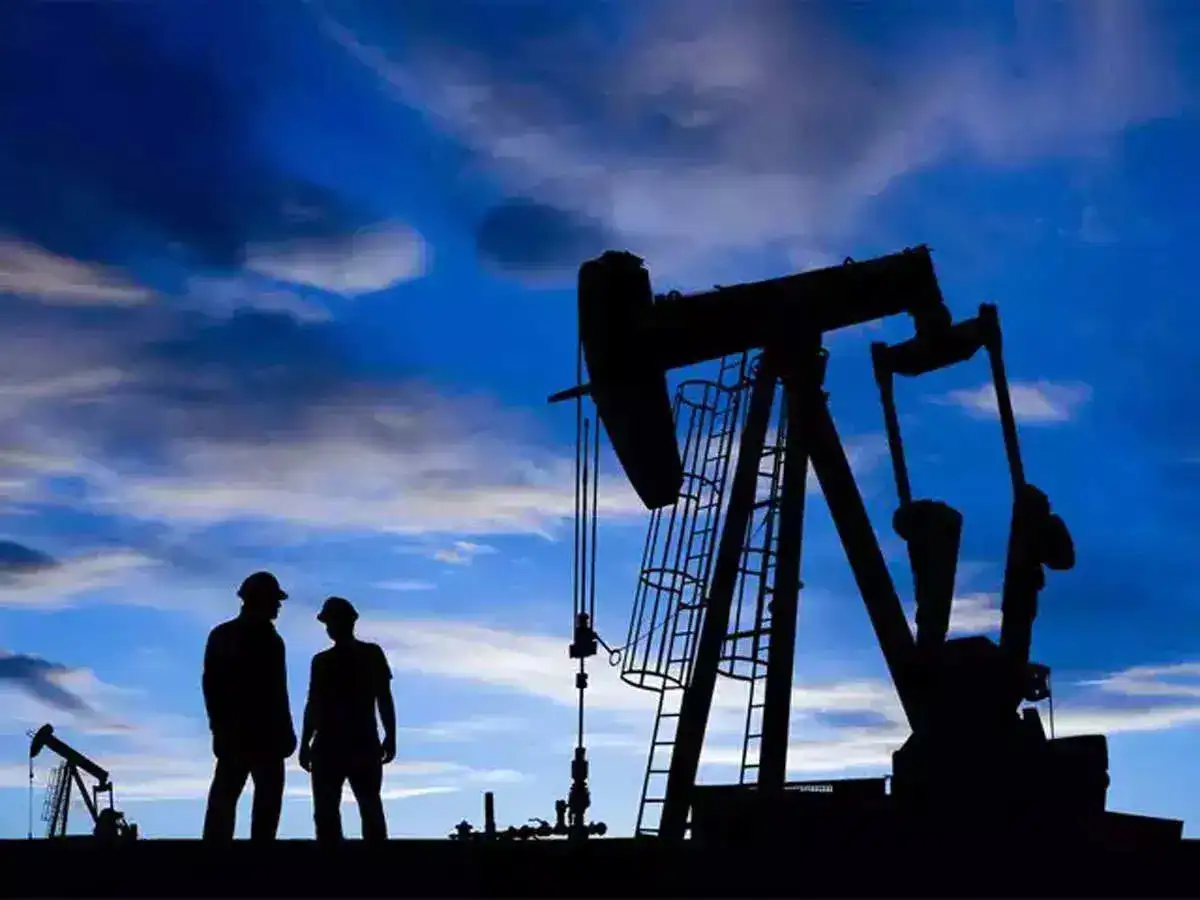
Iran war triggers global race to build oil reserves
Vulnerable nations, stung by the Iran war's economic fallout, are boosting oil and gas storage to weather future crises. This global push for reserves could add half a billion barrels of demand. Countries like India and Pakistan are prioritizing stockpiles, learning from China's successful strategy of reducing imports during supply disruptions. This move aims to prevent severe economic distress and insulate economies from volatile energy markets.