Market News
Stay updated with the latest market trends, earnings, and economic indicators.

HDFC Life Share Price Live Updates: HDFC Life's Current Trading Status

Silver inventories on COMEX drop below 80 million ounces. What it means for silver prices?
The current coverage ratio — physical silver versus paper contracts — has tightened to 15.4%. In trading parlance, any level below 15% is considered a “stress zone”.

Investing Has Changed Tracks: Why Traditional Long-Term Investing May Not Deliver Returns In Current Markets
Markets have changed. Investing patterns have changed. It is time for investors too to change their behaviour.
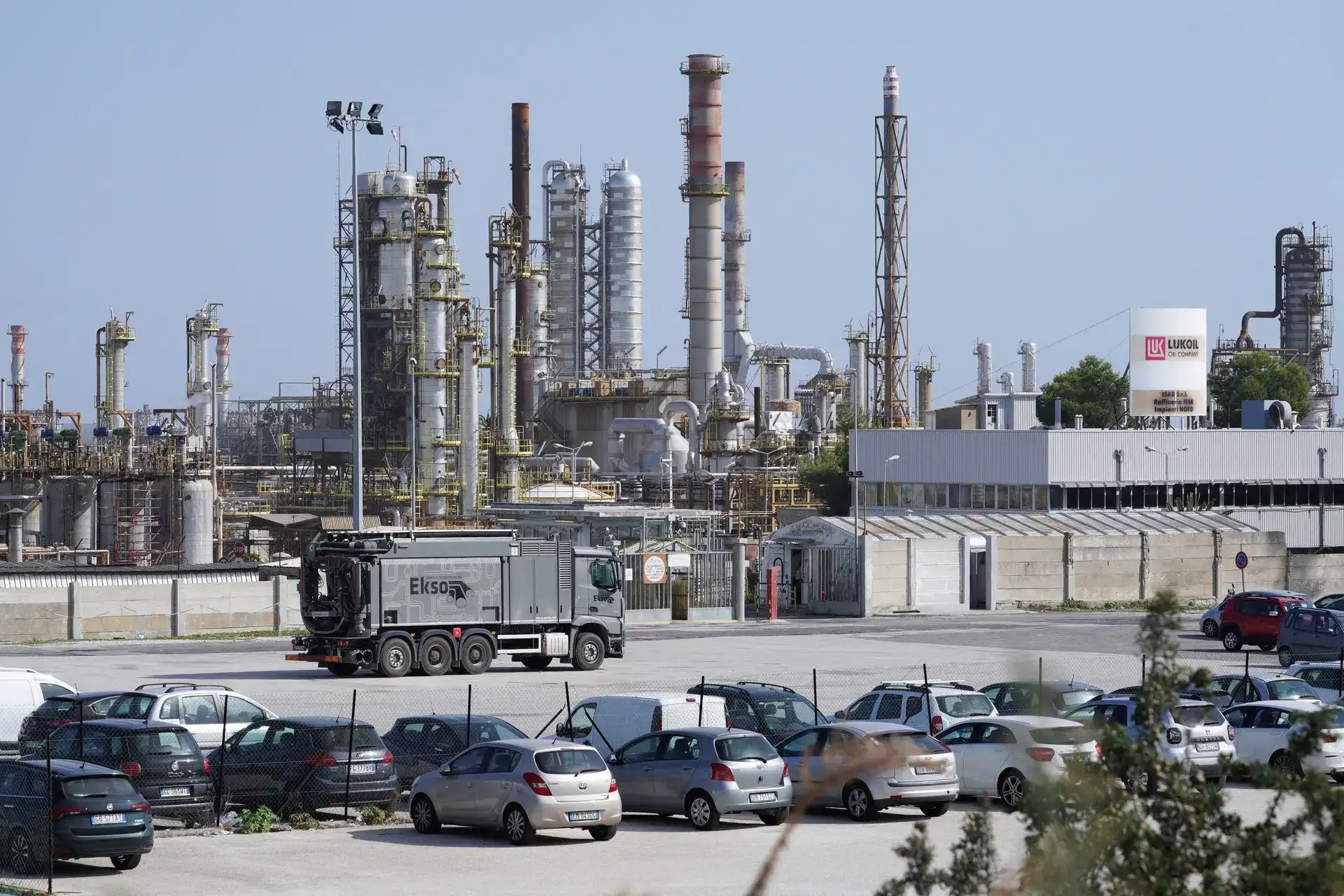
India asks US for Russian waiver extension as Iran war drags on
India has requested the United States to extend its waiver on Russian oil imports. This comes as the ongoing conflict in the Persian Gulf impacts global energy supplies. India emphasises that securing energy supplies remains a top priority for its citizens. Indian refiners are increasing Russian oil imports before the current waiver expires.

Rupee may slide to 96-98 by December-end amid oil shock: Mint poll
Most economists expect the rupee to depreciate 3-4% in the current financial year if crude oil prices remain elevated.

Petrol, diesel price hike in India a matter of time if Middle East conflict persists: RBI Governor Sanjay Malhotra
India faces potential retail fuel price hikes if the Middle East conflict persists. RBI Governor Sanjay Malhotra indicated this possibility due to rising energy import costs and inflation risks. The government has already reduced duties and state refiners are absorbing losses. Prime Minister Modi urged citizens to conserve fuel. Oil companies are struggling to maintain current prices.
‘Time for alpha’: Motilal Oswal AMC CEO sees these sectors leading next market cycle
Motilal Oswal AMC MD & CEO Prateek Agrawal said the current market environment favours active investing and emerging growth sectors over traditional index-heavy plays. Agrawal also said gold duty hikes were less severe than expected and added that mutual fund inflows remain stable despite market volatility.
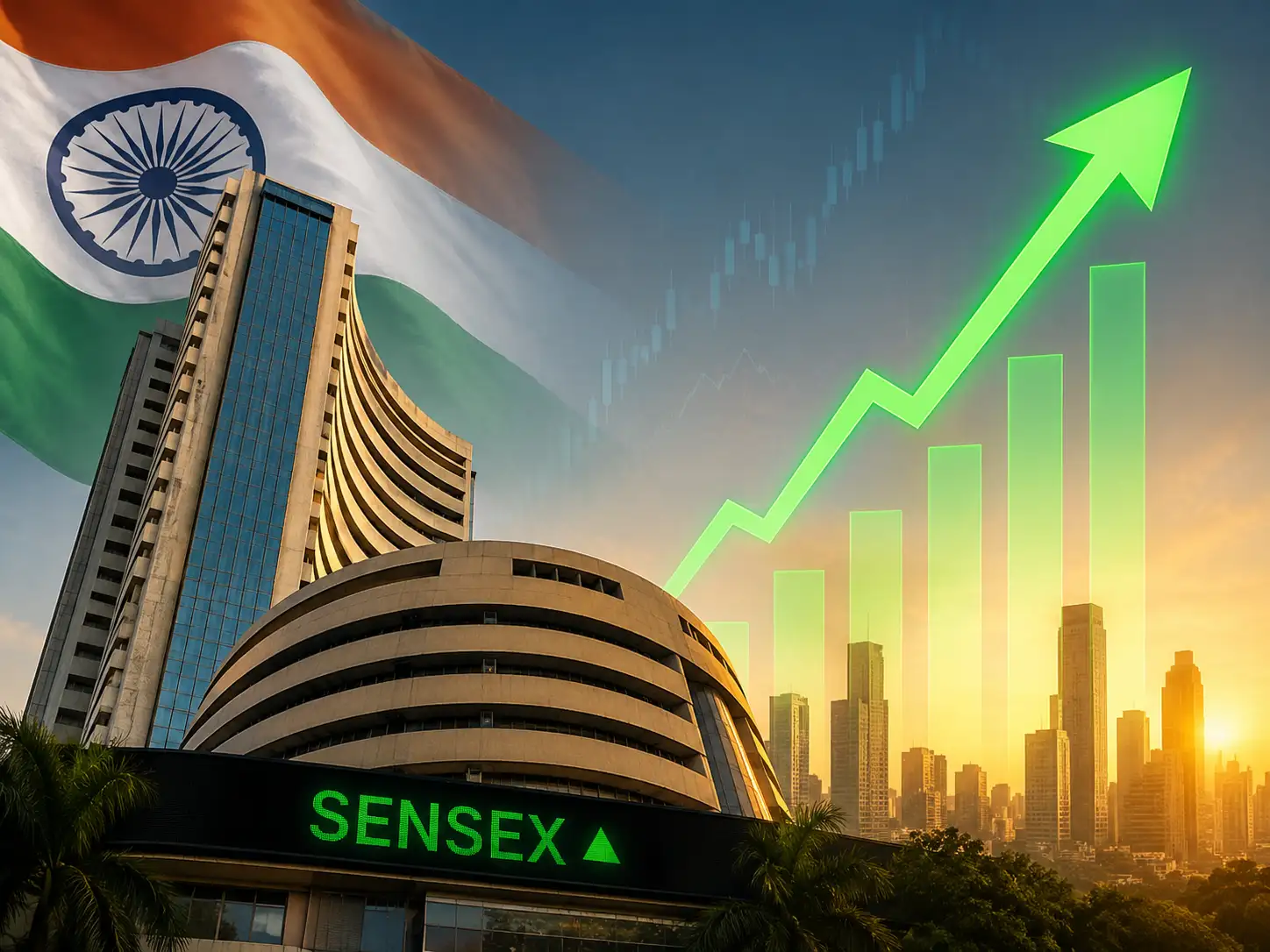
Sensex to hit 89,000? Why Morgan Stanley is betting big on India Inc after 6-quarter slowdown
Morgan Stanley has turned more bullish on India, forecasting the BSE Sensex could rise to 89,000 by June 2027, implying around 15% upside from current levels. Strategist Ridham Desai said India is emerging from a six-quarter earnings slowdown into a stronger growth phase after a “mid-cycle” pause.

India prioritises forex for crude, defence imports as govt hikes gold, silver duty
India raises customs duty on gold, silver and platinum to curb non essential imports, conserve foreign exchange and protect the current account amid West Asia tensions.

‘Telling people to not buy gold has the opposite effect’: Deepak Shenoy shares other ways to reduce import bill
Deepak Shenoy argued that India’s rising gold imports are becoming a significant pressure point for the rupee and the country’s current account deficit (CAD), and suggested that the Reserve Bank of India (RBI) could play a direct role in easing the burden.

PM Modi wants Indians to buy less gold but jewellers suggest three ways to save forex without any sacrifices
Amidst calls to conserve forex, the All India Jewellers and Goldsmith Federation proposed a dedicated bullion bank and revamped gold monetisation schemes. These initiatives aim to reduce India's annual gold import dependence by 200-300 tonnes. High gold imports, driven by price surges, have significantly widened the trade deficit and impacted the current account deficit.
Average state per capita income could approach high-income thresholds by 2046-47
Poonam Gupta, Deputy Governor, Reserve Bank of India, has noted in a speech that India has attained a virtuous cycle of accelerated growth and macroeconomic stability. Macroeconomic stability is reflected in sustainable and resilient outcomes across inflation, the current account balance, fiscal position, debt quality, and financial sector health, among others. Key macroeconomic outcomes, especially growth (overall and sectoral) and inflation, are broadly less volatile and move within a narrower, more predictable range.