Market News
Stay updated with the latest market trends, earnings, and economic indicators.
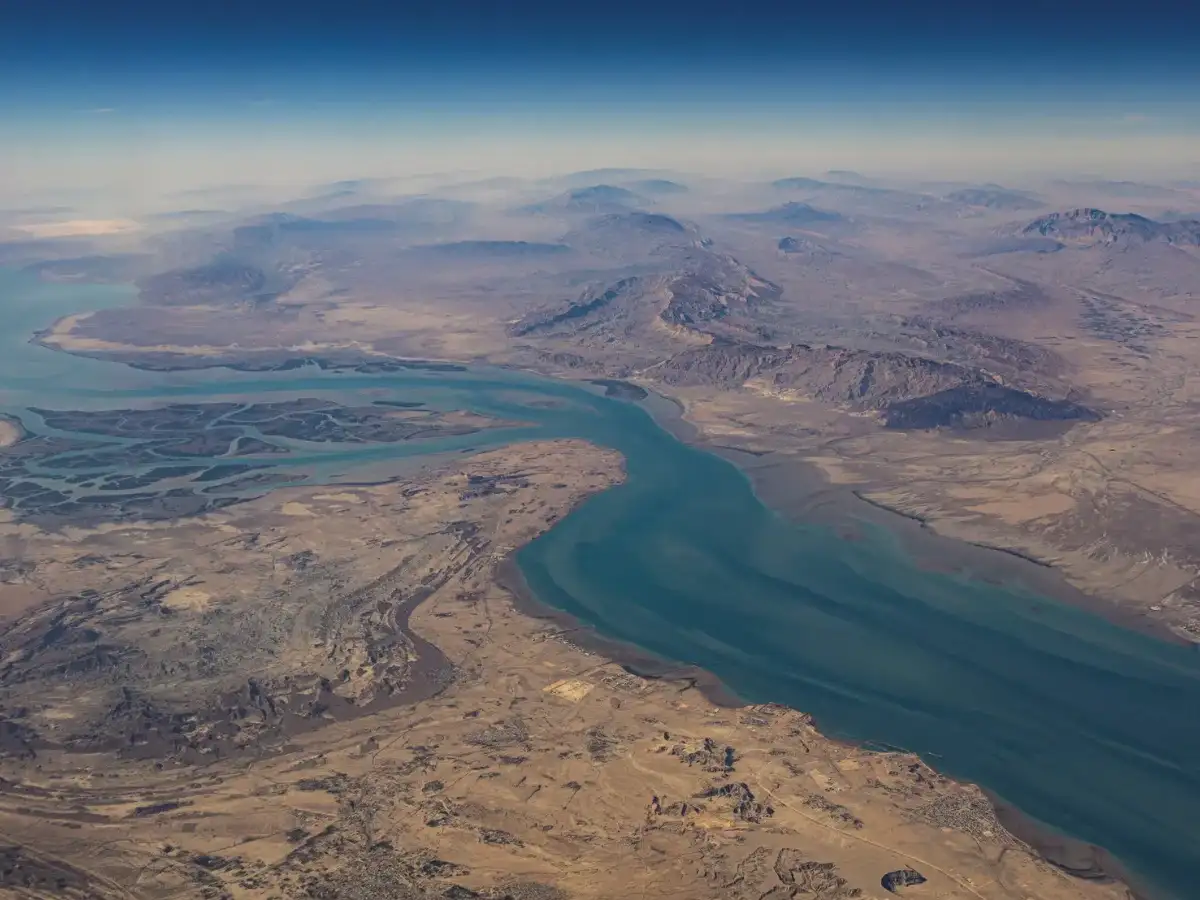
Hormuz chokehold leaves over 1.7 million tonnes of India’s oil, LNG and LPG cargo stranded
In the heart of the Persian Gulf, twenty-two Indian vessels laden with essential oil and gas remain stranded. With millions of tonnes of crude oil, LPG, and LNG in limbo, these ships are eagerly awaiting clearance to navigate the obstructed Strait of Hormuz. The current turmoil has significantly impacted India's energy supplies.

Strait of Hormuz Closure: ExxonMobil, Lockheed Martin to BAE Systems — these global stocks to benefit from US-Iran war
The closure of the Strait of Hormuz would disrupt global LNG flows, favouring non-Gulf producers. Companies like Flex LNG and Golar LNG stand to benefit. The situation could increase global inflation and reduce GDP, while non-Gulf oil producers may gain from higher crude prices.
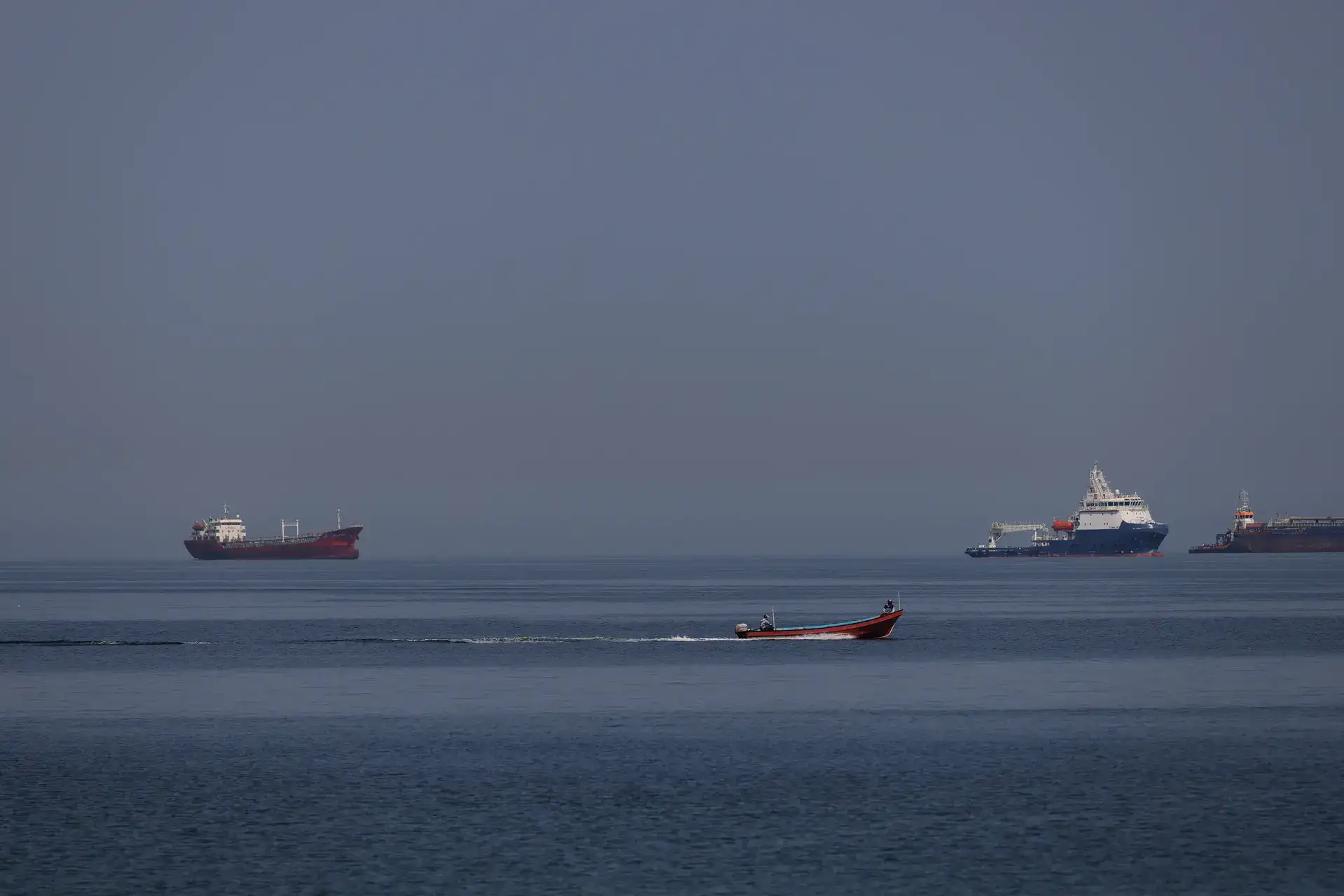
As war with Iran hurts oil prices, US turns to Iranian boats for help
The United States has temporarily eased sanctions to allow tankers linked to Iran’s “ghost fleet” to transport and sell Russian oil, aiming to ease soaring global oil prices amid the Middle East war. The move reflects the urgency to boost supply as disruptions in the Persian Gulf have sharply reduced oil flows and pushed prices higher.
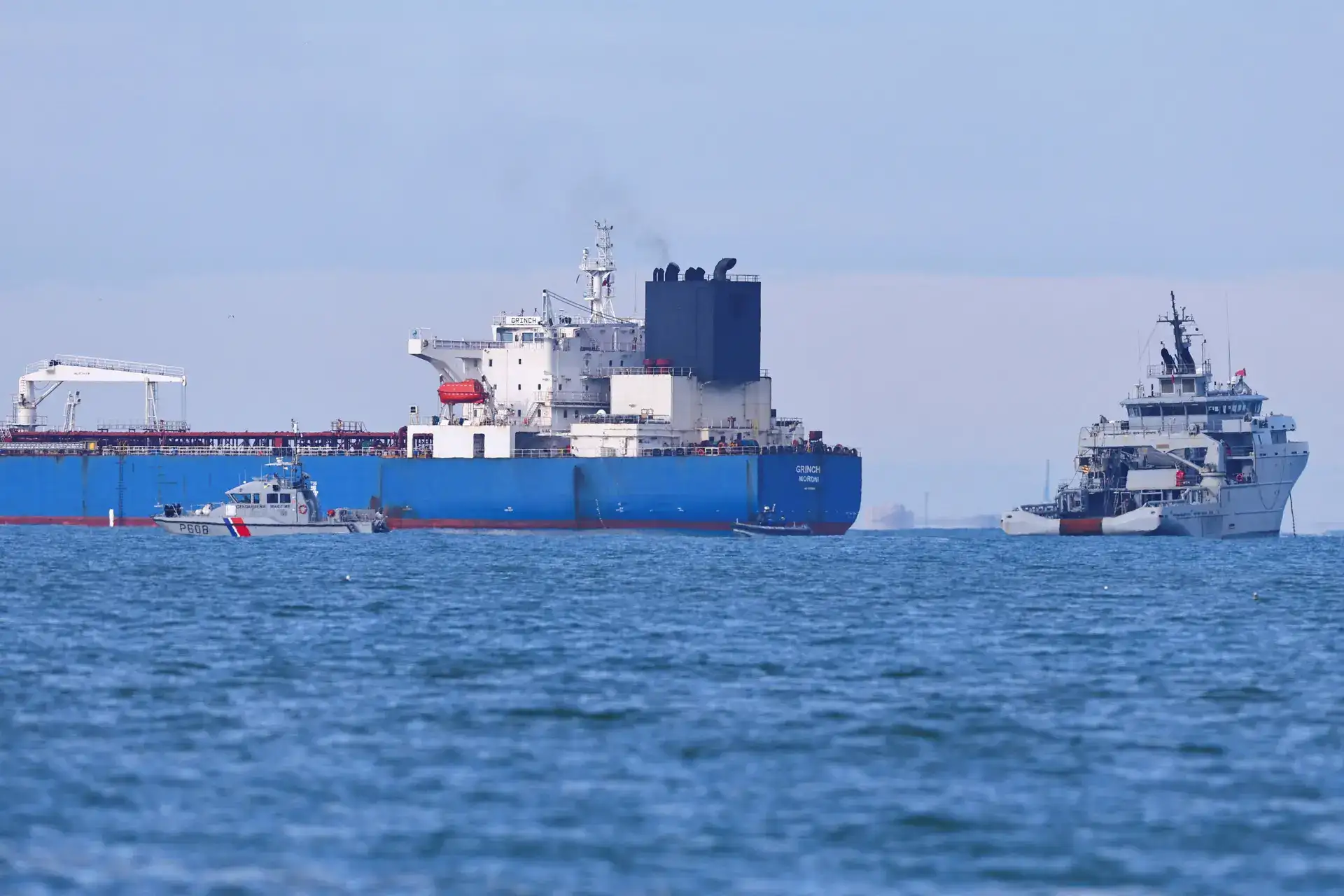
Saudi Arabia gives oil buyers Red Sea option due to crisis in Strait of Hormuz
Saudi Arabia is rerouting oil shipments through the Red Sea port of Yanbu. This move prepares for potential disruptions in the Strait of Hormuz. Customers can choose Yanbu for a portion of their April supply. Alternatively, they can opt for Persian Gulf deliveries at risk of no oil. This reflects uncertainty over the ongoing conflict and the strait's reopening.
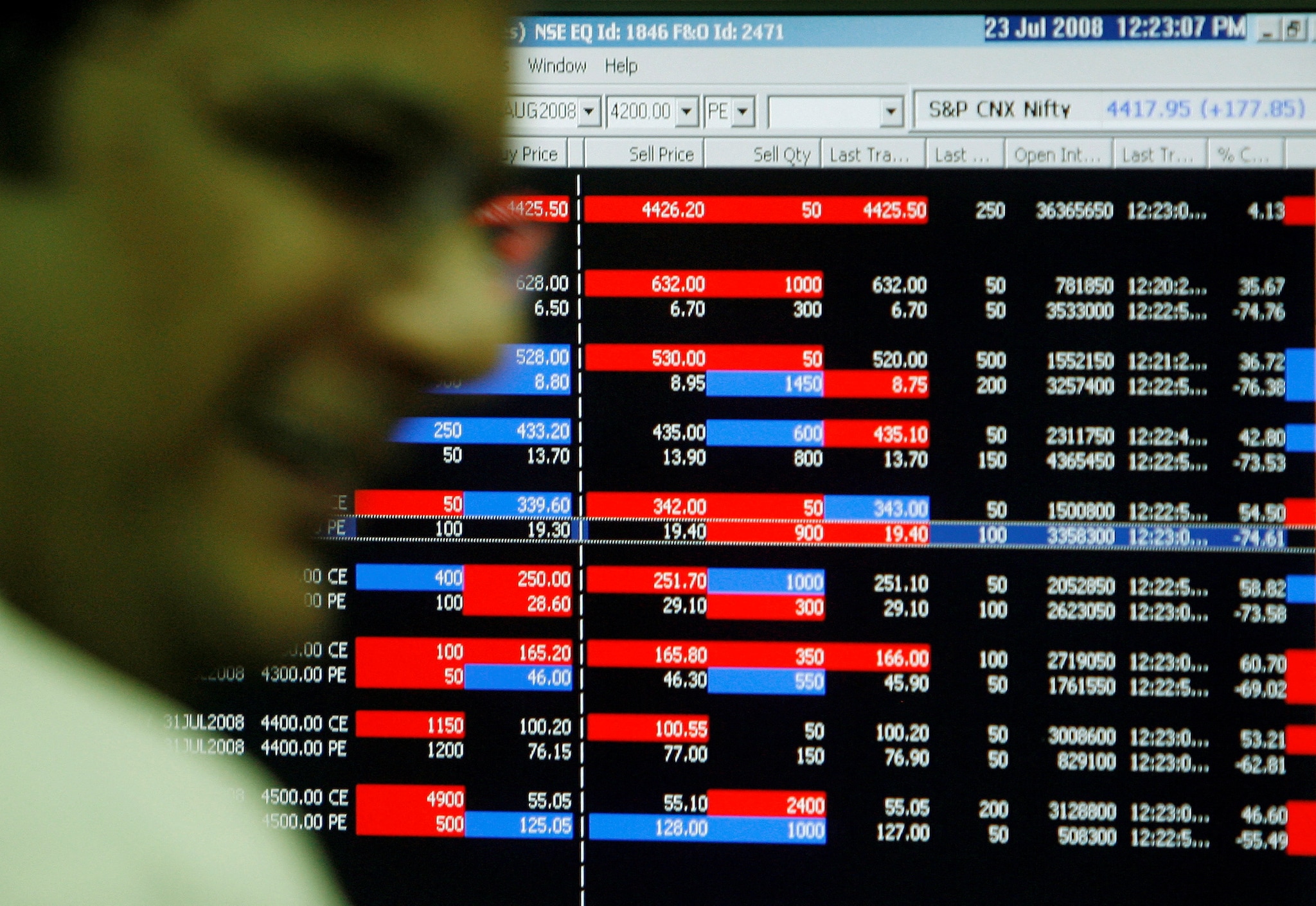
Asia shares wary, oil volatile as war drags on
Asian markets were cautious as Gulf hostilities kept oil prices high. The Trump administration plans a coalition to escort ships through the Strait of Hormuz.

BP Cleared for First New Gulf of Mexico Field Project Since 2010 Blowout
The Trump administration approved BP Plc’s plan to pump billions of dollars worth of crude from what will be the company’s first virgin field development in the Gulf of Mexico since the deadly 2010 Deepwater Horizon disaster that triggered the worst oil spill in US history.

Dow Jones sinks over 700 points as oil, private credit worries rattles Wall Street
Brent Crude was back above the mark of $100 a barrel, closing above that mark for the first time since 2022. More ships were struck in the Persian Gulf overnight and comments from Iran's new Supreme Leader, Mojtaba Khamenei, added to the price surge. Khamenei said that the Strait of Hormuz should remain shut as a tactic to "pressure the enemy."
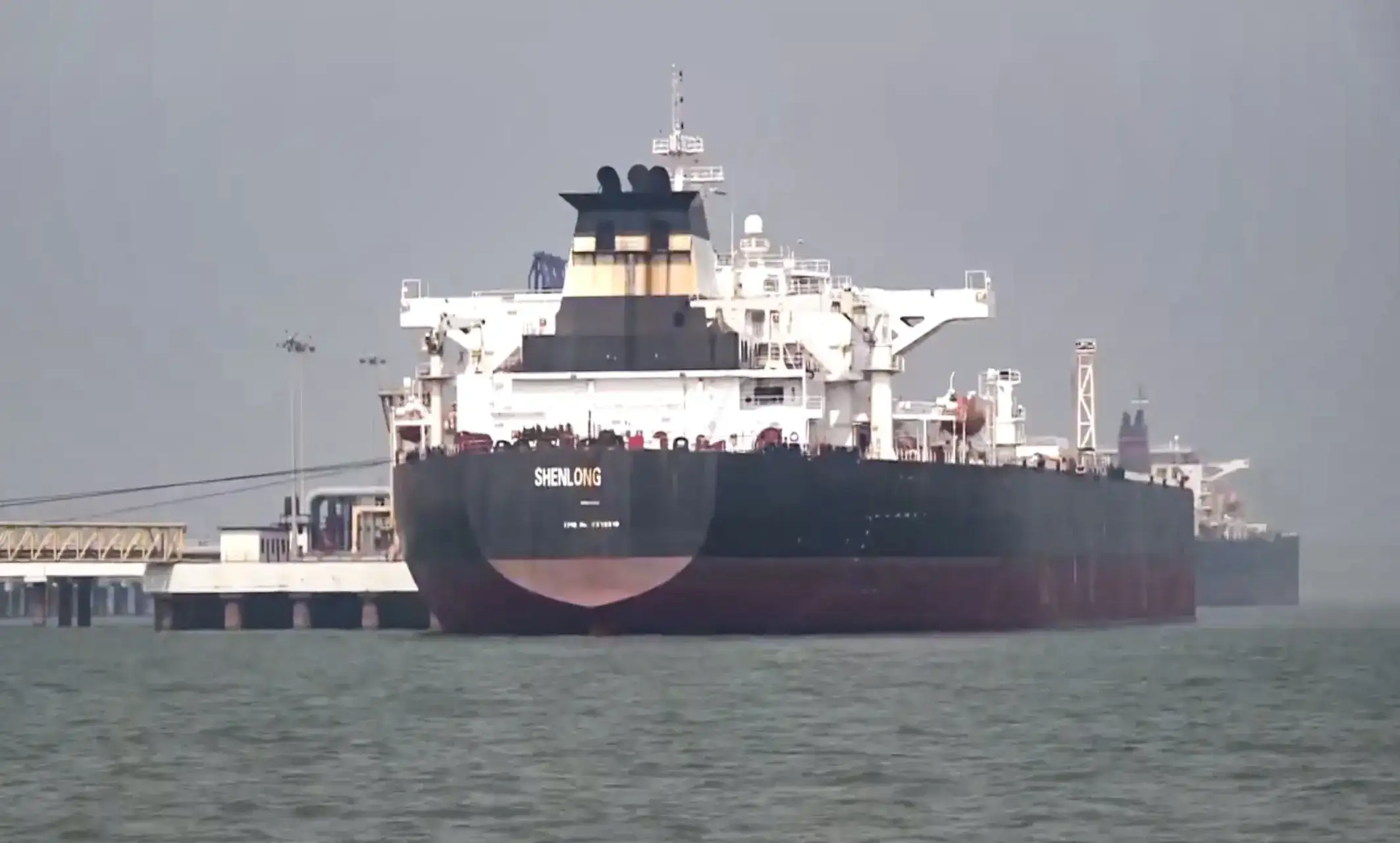
IEA's record oil release will ease pressure, say Indian refiners
Indian refiners anticipate easing oil supply pressures following a major international release. The speed of this release is key for India to secure needed barrels. Meanwhile, India received its first crude cargo from the Gulf since the Iran war began. Crude supplies from non-Hormuz routes are increasing, and the government is promoting alternative fuels.
US to release 172 million barrels of oil from strategic petroleum reserve
America will release 172 million barrels of oil from its strategic reserve. This move aims to reduce soaring oil prices. The release is part of a larger international effort. It follows attacks on Iran by the US and Israel. Iran has threatened to block oil shipments from the Gulf. This conflict is impacting global markets.
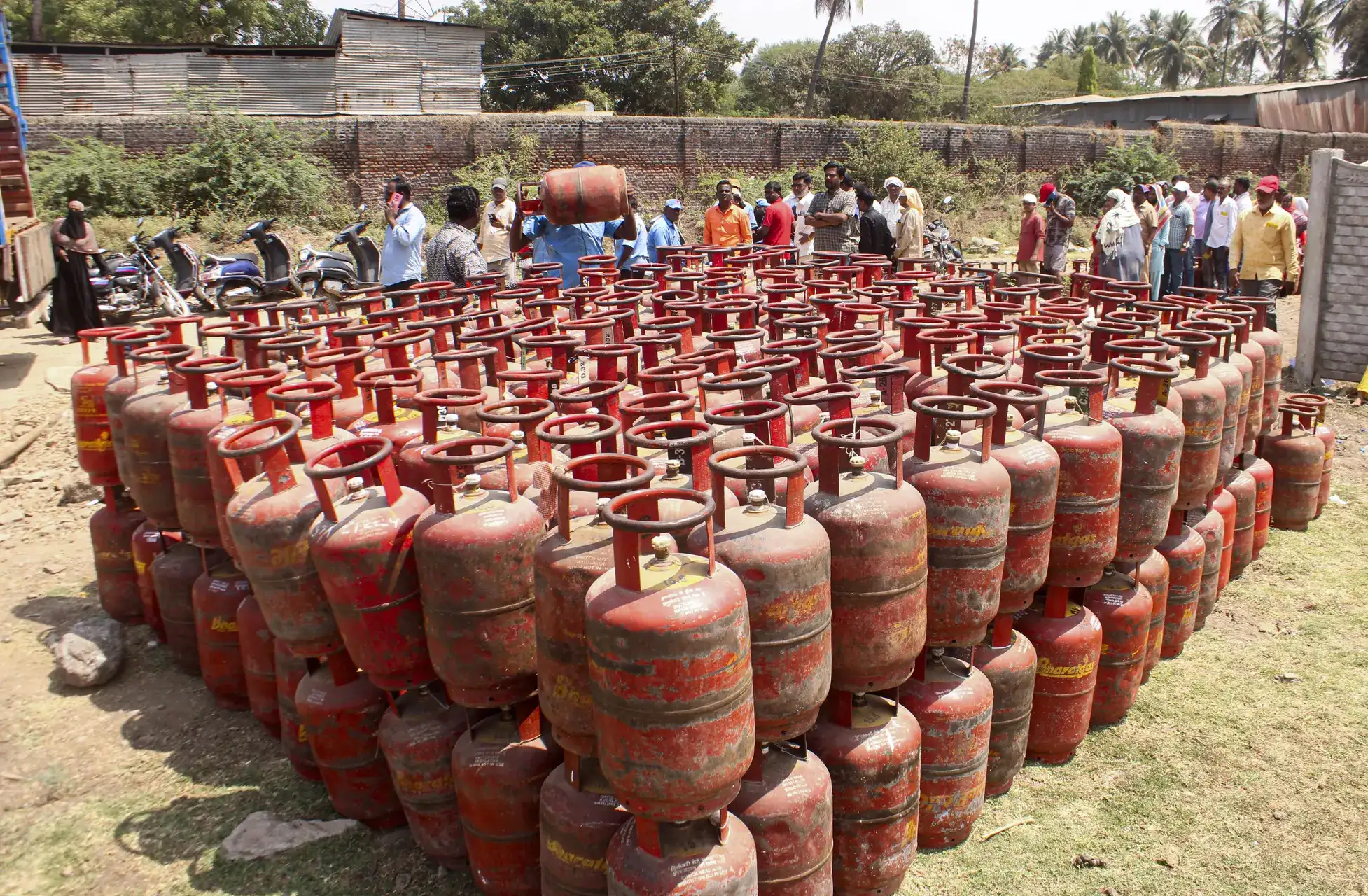
Daily domestic LPG output raised by 25%: Petroleum ministry official
India's cooking gas production has risen 25 percent. Refineries are maximizing output to counter supply halts from the Gulf. This boost helps fill a gap caused by the Iran war impacting imports. Households are advised against panic booking. India's crude oil supply remains secure. Additional crude and LNG cargoes are en route to India.

Iran Israel War: Two LNG cargoes headed to India, 70% of imports bypass Strait of Hormuz
India's crude oil supply is firmly established and secure. Government representatives have assured that nearly 70% of our imports are funneled through various alternative routes, safeguarding us from turbulence in Gulf shipping lanes. With a daily consumption rate of 55 lakh barrels, the government is strategically acquiring crude oil and LNG through these routes.

Higher input costs likely to erode chemical companies' profits
Rising US-Iran tensions are impacting Indian chemical makers. Higher crude oil prices are increasing input costs for essential materials like methanol. Shipping delays and rerouting are adding to expenses. This situation affects companies reliant on imports from the Gulf. The fertilizer industry also faces supply shortages. These factors are squeezing profit margins for many Indian chemical and fertilizer producers.