Market News
Stay updated with the latest market trends, earnings, and economic indicators.

Crude tumbles from $113 to $83, but relief for India will have to wait
The latest oil shock is fading much faster than the Russia–Ukraine episode, reflecting greater confidence that global energy supplies will remain intact. For India, however, lower crude prices may not immediately translate into lower inflation, stronger earnings or easier monetary policy.
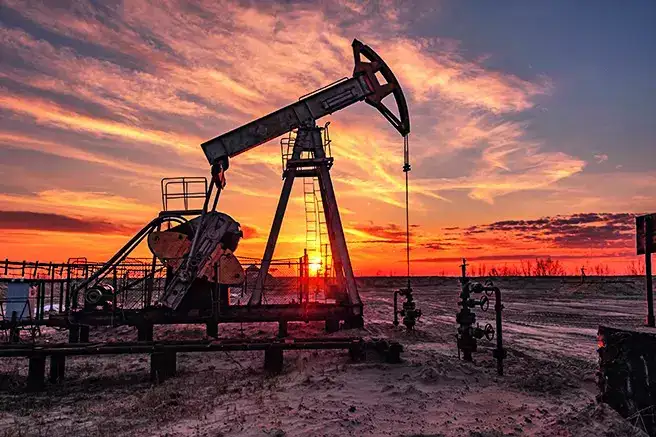
Oil prices to ease after US-Iran deal, but return to pre-war levels could take months: Analysts
Energy markets anticipate price moderation for crude oil and liquefied natural gas. A potential US-Iran peace agreement and the reopening of the Strait of Hormuz are key factors. However, analysts warn of continued volatility due to supply disruptions and low inventories. India's energy security and import costs are expected to improve. Full market normalisation may take months.

US-Iran peace deal: Reliance Industries, ONGC; which other oil & gas stocks will emerge as top winners and losers?
A US-Iran peace deal is expected to ease oil supply risks, pushing crude prices lower. Nomura sees OMCs, CGDs, and Petronet LNG as key beneficiaries, while upstream firms like ONGC and Oil India may face pressure. Reliance Industries could see moderate downside due to weaker refining margins.
Vedanta Aluminium, Oil & Gas and Power shares fall up to 5% on Day 2. What should investors do?
Shares of newly demerged Vedanta entities saw a dip post-listing. Investors are now weighing long-term opportunities, with Vedanta Aluminium emerging as a clear heavyweight due to its scale and expansion plans. Analysts favour aluminium as the top growth bet, while Vedanta Oil & Gas and Power present different investment profiles.

US-Iran truce lifts markets; Sensex gains 736 points as oil prices fall
Indian equities advanced along with global markets after the US and Iran agreed on a framework to end the conflict, raising hopes of lower energy prices
Japanese stocks surge to record high on easing geopolitical tensions
Oil prices fell to their lowest level in two months following the news, easing inflation concerns and reducing input costs for Japan, which relies heavily on energy imports. Investors are also looking ahead to this weeks Bank of Japan meeting, where policymakers are widely expected to raise interest rates to help curb inflation and strengthen the yen.

Ashok Leyland, Tata Motors and other CV stocks soar up to 9%. What’s triggering the surge?
US and Iran have reached an initial peace agreement to end their nearly four-month conflict, restore shipping through the Strait of Hormuz, and ease global energy disruptions. The deal, to be signed in Switzerland on June 19, also covers broader regional issues including Lebanon. This development has boosted market sentiment as oil supply concerns begin to ease.
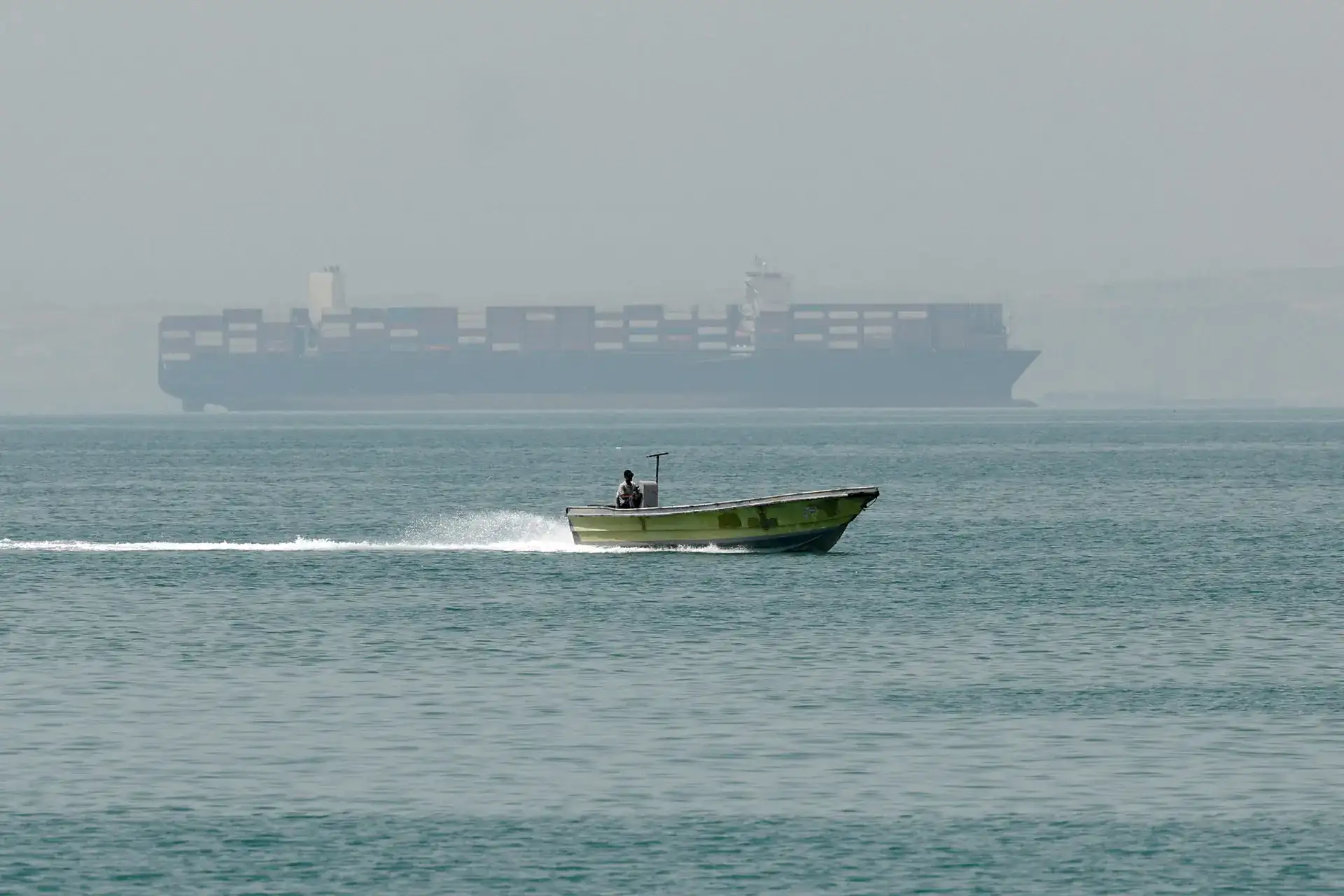
Shipowners seek clarity on Strait of Hormuz deal as 600 vessels eye exit
Shipowners and traders are cautiously awaiting details on a potential reopening of the Strait of Hormuz, a vital oil and gas route disrupted by conflict. While a US-Iran deal is announced, concerns about safety, mines, and Iranian actions persist, leaving hundreds of vessels stranded and global energy trade in limbo.
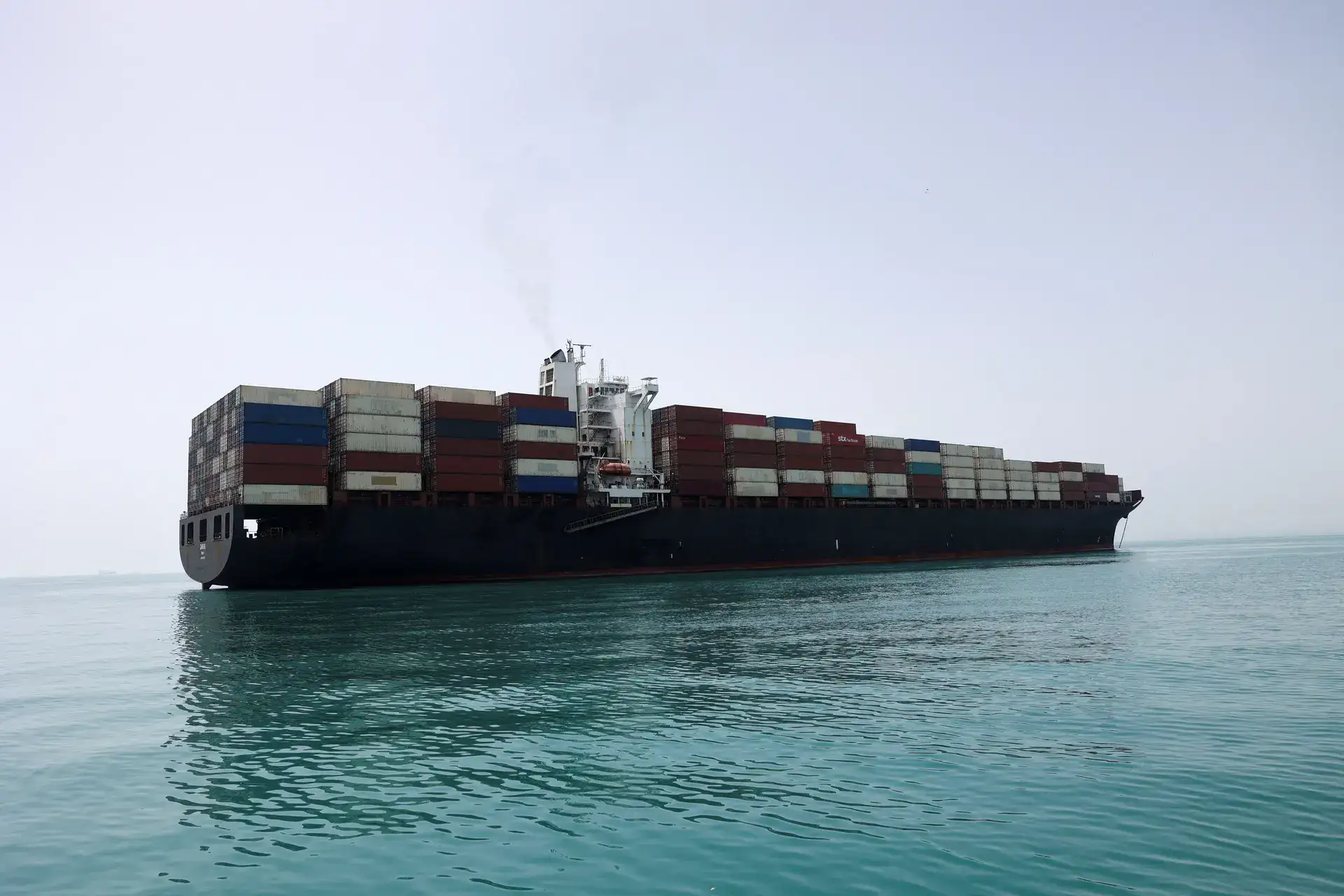
Strait of Hormuz reopening to ease oil supply risks for India as US-Iran reach truce deal
A "toll free" reopening of the Strait of Hormuz, following a US-Iran ceasefire agreement, promises significant relief for India's crude oil imports. This normalization is expected to lower freight costs, ease inflationary pressures, and stabilize global energy markets, benefiting key sectors and policymakers.
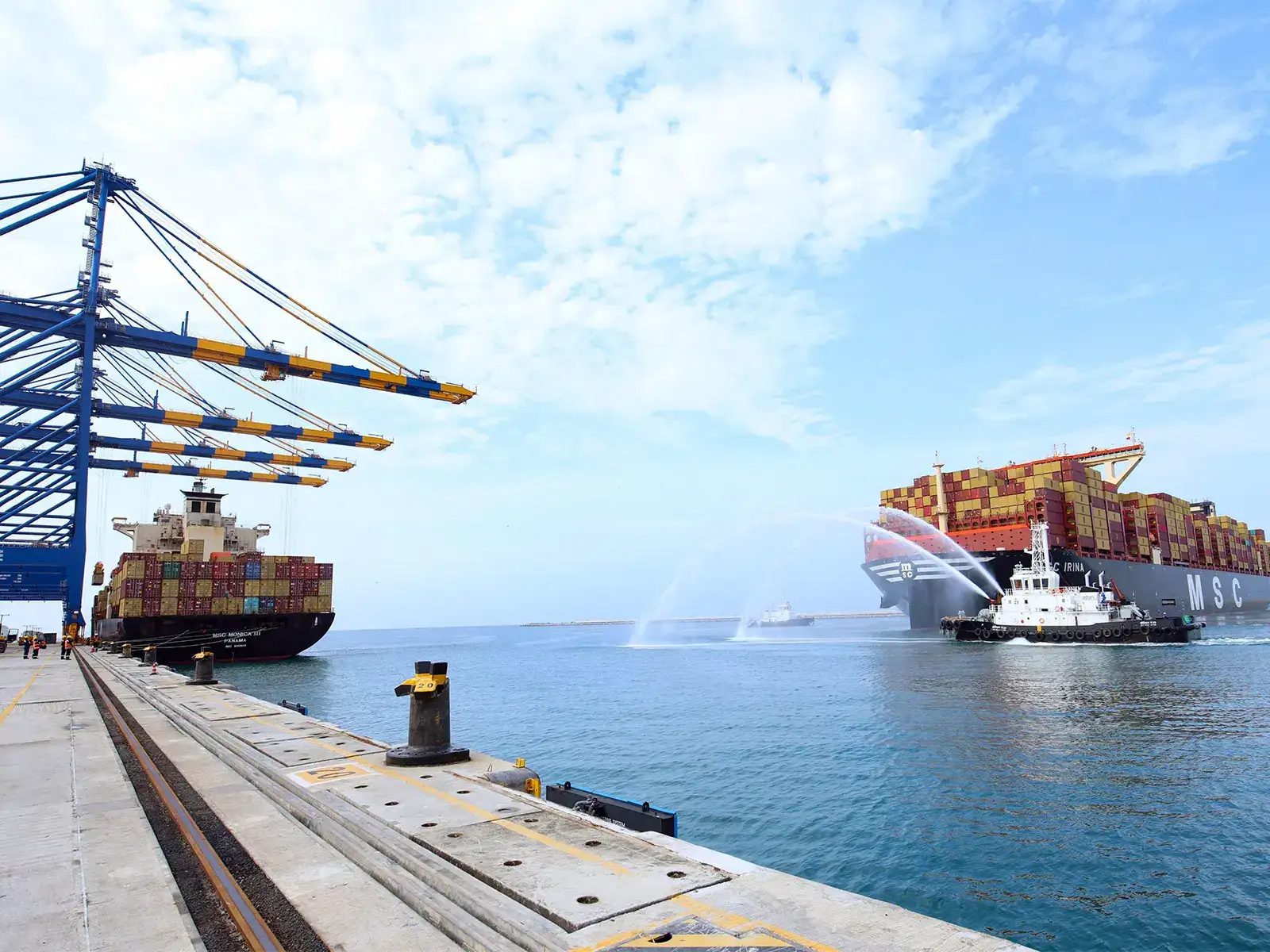
Oil and gas supplies could take months to return to normal after Iran deal, energy experts say
Global oil prices saw a dip following news of an Iran war ceasefire and the reopening of the Strait of Hormuz. However, energy experts caution that restoring full oil and gasoline supplies will take several months. Stranded ships must depart, and new tankers will need safe passage.

Brent Slumps Below $84 A Barrel As Trump Says Iran Deal Complete, Strait Of Hormuz To Reopen
The decline extended a broader retreat in oil prices as traders responded to signs that a prolonged disruption to energy flows through the Strait of Hormuz could ease.

Ethanol transition can shift to "Transport Energy Backbone" to shield India from oil shocks: KPMG
India's ethanol use is evolving beyond simple blending. It is set to become a key transport energy source. This will help manage fluctuating global fuel prices. An adaptive fuel system, varied distribution, and flex-fuel vehicles are crucial. This shift aims to enhance energy security and reduce reliance on external price volatility.